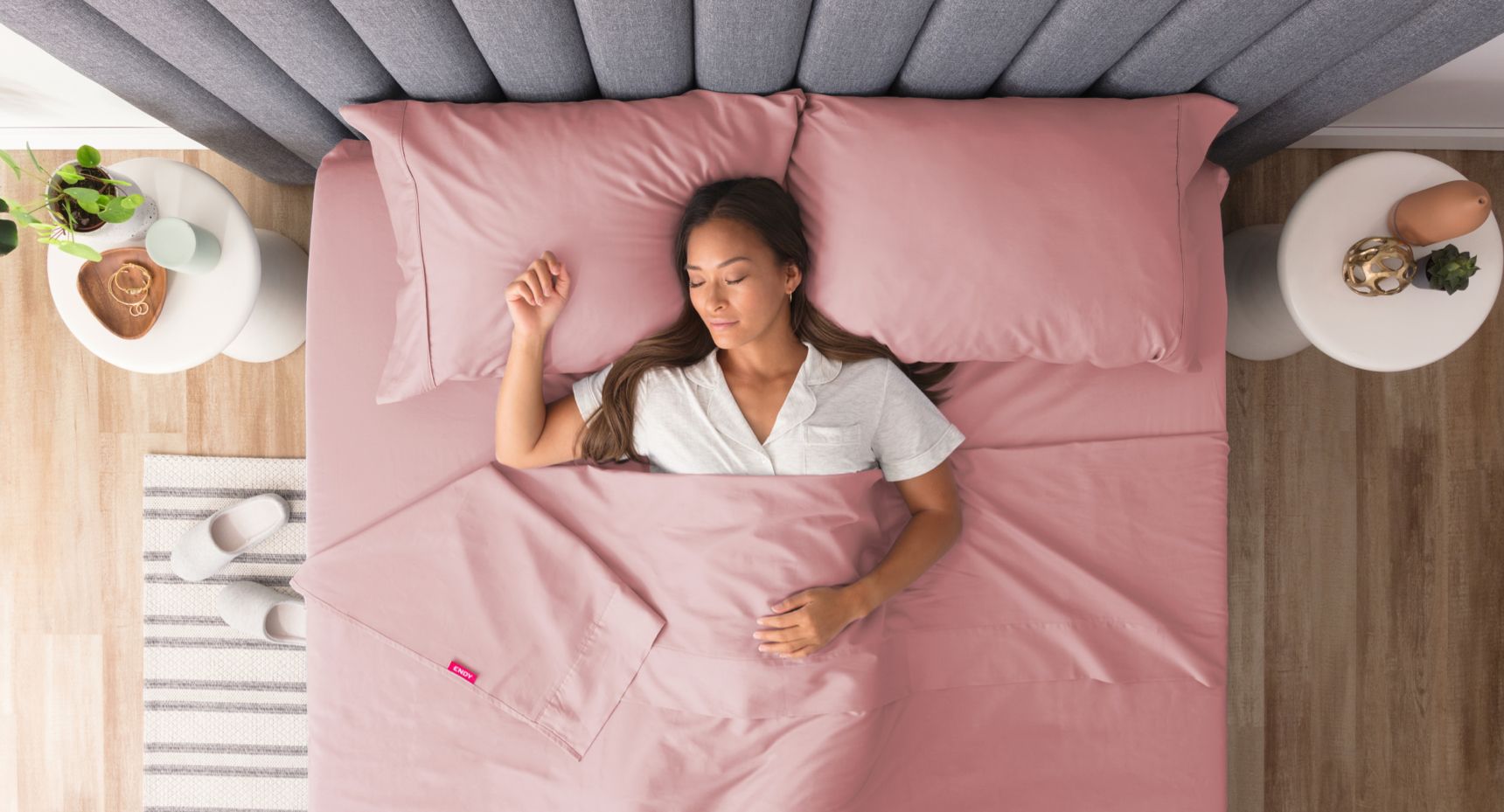
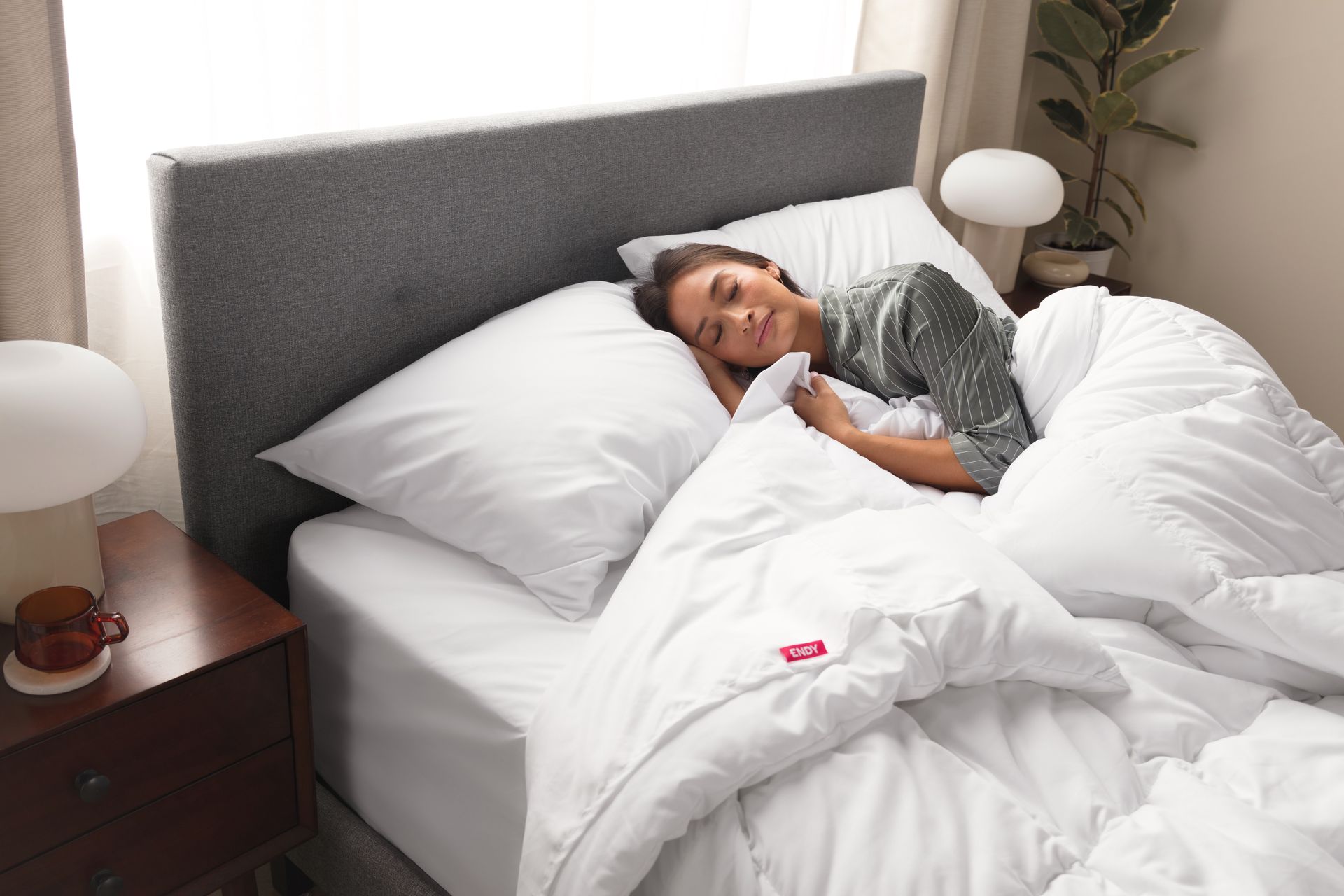
Sleeping hot is one of the most common sleep complaints in Canada and one of the most misunderstood. If you regularly wake up overheated or sweaty, you might assume something is wrong, but your body is designed to produce heat while you sleep. The real question is whether your sleep environment is helping that heat escape or trapping it against your body all night.Let’s break it all down, from the science to the environment, and then what you can actually do about it.
Why Does Your Body Produce Heat at Night?
Your body produces 75 to 90 watts of heat overnight — roughly the same output as an old-school incandescent light bulb running under your blanket all night. That’s your body’s temperature regulation in action, working around the clock even while you rest.That heat is a byproduct of a process called vasodilation. As you drift off, your core temperature naturally drops. To make that happen, your body pushes warm blood toward the surface of your skin through dilated blood vessels — your hands, feet, and face get warm as heat escapes out into the air around you. This widening of blood vessels is how your body’s internal thermostat initiates sleep onset and maintains your ideal sleep temperature through the night.During deep sleep and REM sleep, your core body temperature fluctuates as you cycle through different sleep stages. This is completely normal — your body is regulating its temperature the way it’s designed to. The problem isn’t the heat itself. The problem is when your mattress, bedding, or bedroom environment has nowhere to send it and heat buildup begins.
What Traps Heat Around You While You Sleep?
Heat builds up fast when your sleep environment works against your body’s natural cooling process. Here are the four biggest culprits behind feeling hot at night:Room TemperatureThe ideal bedroom temperature for sleep is typically between 17 and 19 degrees Celsius (roughly 62 to 67°F). A warm or humid room makes it harder for your skin to release heat, meaning it’s harder for your body to cool down, your sleep quality suffers, and you end up feeling hotter and more restless. Even a small drop in room temperature can make a noticeable difference to how well you stay asleep.Your MattressThis is often the biggest culprit and the one most people overlook. Traditional memory foam cradles your body closely, which is great for pressure relief. But that tight contact blocks airflow and traps body heat around you. Traditional memory foam mattresses are known for absorbing and retaining body heat, making them far less breathable than alternatives. When you get so hot that you’re constantly shifting positions or waking up, your mattress could be the reason.Your BeddingThick blankets, flannel sheets, and fleece are designed to hold body heat. Great for camping, but not so great when your body is actively trying to shed excess heat. Breathable bedding materials like cotton and linen allow for better air circulation compared to materials like polyester, which trap heat and moisture against your skin.Your SleepwearThe same logic applies to what you wear to bed. Thick or synthetic fabrics hold heat against your skin and block the body’s ability to regulate temperature properly. Breathable, moisture-wicking sleepwear lets sweat evaporate naturally — helping your body stay cool and comfortable through the night.
Why Does Traditional Memory Foam Make Night Sweats Worse?
Traditional memory foam was engineered for pressure relief and motion isolation, not for temperature control. Its dense, closed-cell structure means each foam cell is sealed off from its neighbours. There’s no pathway for air to flow through, so heat gets trapped inside the foam and builds up around your body throughout the night.On top of that, traditional memory foam has high temperature dependence: it softens in the heat of summer and hardens in the cold of winter. Your mattress literally feels different depending on the season — not exactly the restful sleep experience you’re paying for. For hot sleepers, this makes sweaty nights a near-constant reality.Open-cell foam works differently. Instead of sealed cells that trap body heat, open-cell foam has an interconnected structure that lets air move freely through the mattress. Heat dissipates instead of building up, meaning you get a cooler, more consistent sleep surface all year long, with better temperature regulation from night to night. If you wake up regularly with sweaty nights and struggle to stay asleep, switching from traditional memory foam to an open-cell alternative is often one of the most impactful changes a hot sleeper can make.
How Endy Addresses the Heat Problem
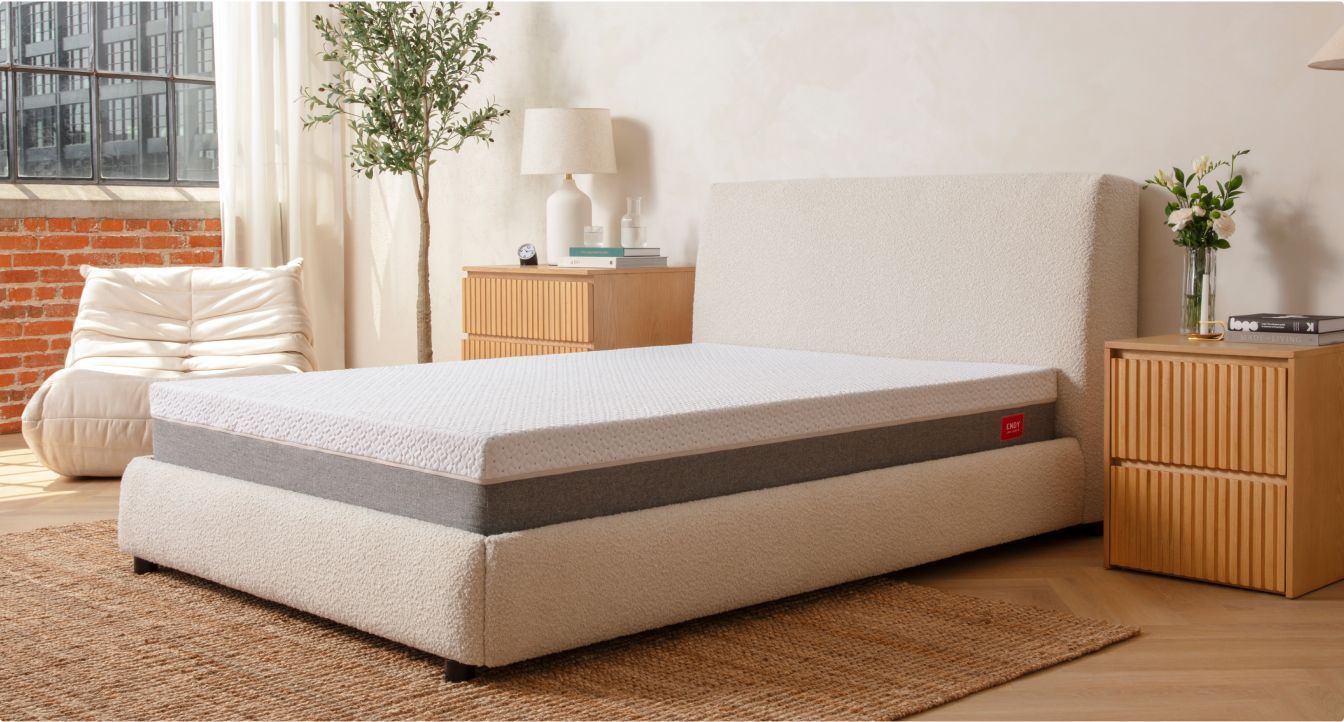
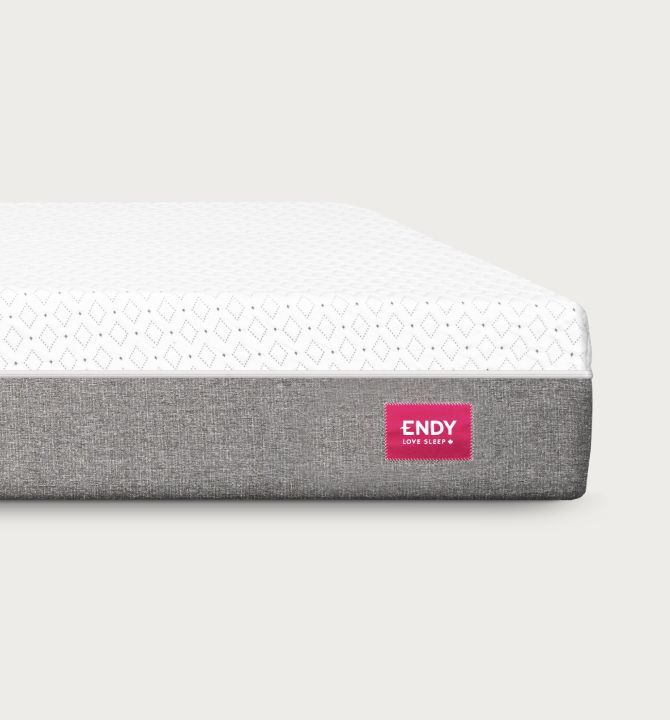
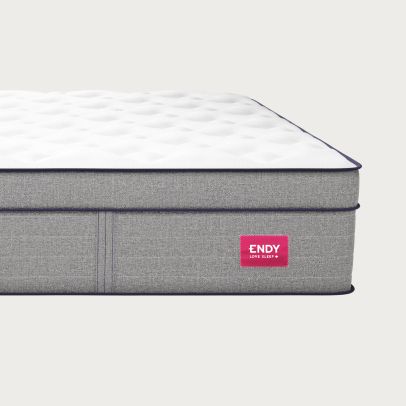
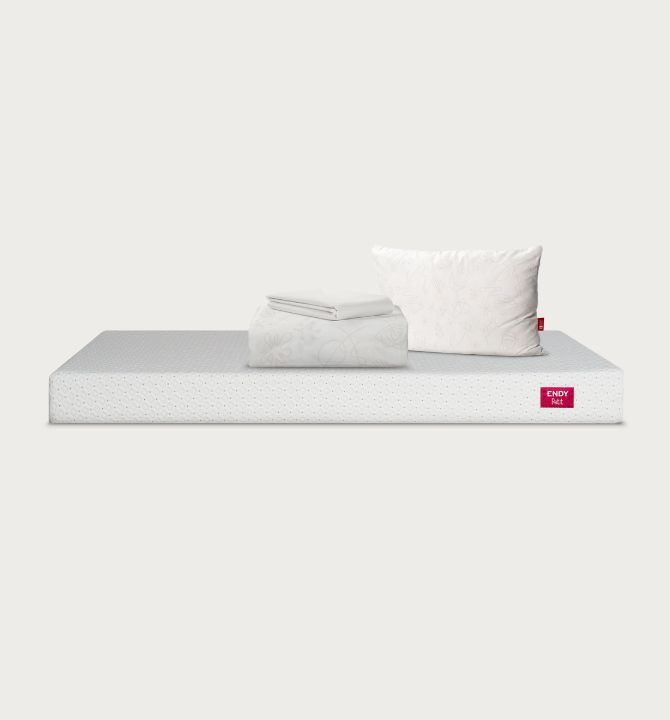
The Endy Mattress was built with heat regulation as a core design priority — not an afterthought. Here’s how it works:100% Breathable Open-Cell FoamEndy’s open-cell foam structure promotes superior airflow throughout the night. Air flows freely through the mattress, so your body heat doesn’t get trapped in one place, it disperses. You’re sleeping on a surface that actively works with your body’s cooling process, not against it. For hot sleepers, this is a game-changer.Cooling Gel InfusionEndy’s comfort foam is infused with cooling gel that creates a heat-dissipation effect from the moment you lie down. It’s cool to the touch and helps draw heat away from your body.Temperature-Neutral FoamUnlike traditional memory foam that changes with the seasons, Endy’s temperature-neutral foam is engineered to regulate temperature and maintain consistent firmness and feel year-round. No stiff mattress in January. No overly soft surface in July. This provides consistent body temperature support across every Canadian season — because we know how wild those temperature swings can get.Stretchy, Breathable Quilted CoverThe micro-quilted cover on the Endy Mattress is designed to stretch and breathe, promoting airflow right at the sleep surface. It’s removable and machine-washable too, so keeping it fresh is easy. A clean, breathable sleep surface is one of the simplest ways to support good sleep quality night after night.All three Endy firmness options (Medium-Firm, Firm, and Plush) are built with these same cooling principles. And if you’re looking for even better air circulation, the Endy Hybrid Mattress adds individually wrapped pocket coils that let air circulate freely through the core of the mattress for an extra layer of temperature regulation — making it one of the best options for hot sleepers who want a good night’s sleep without waking up overheated.
Practical Steps to Sleep Cooler Tonight
You don’t need to overhaul your entire bedroom to feel hot less often at night. Here are some cost-effective changes you can make right now to improve sleep quality:
Lower your thermostat: Aim for 17 to 19 degrees Celsius as the ideal room temperature for your bedroom. Even a small drop in cooler temperature can help your body’s natural cooling process kick in more easily at sleep onset.
Wear breathable sleepwear: Look for moisture-wicking properties in natural fabrics like cotton or linen. Avoid fleece, wool, or thick synthetics that hold body heat against your skin and disrupt temperature control.
Stay hydrated: Drinking water before bed supports your body’s ability to produce sweat, which is your body’s natural mechanism for cooling itself down. Simple — but it works.
Add a fan: Better air circulation in your room helps dissipate heat from your skin faster. Even a small bedside fan can noticeably reduce how hot you feel at night.
Watch what you eat and drink: Avoid spicy foods, alcohol, and caffeine close to bedtime. These all increase blood flow to the skin and raise body temperature. Carbohydrate-heavy meals before bed can also increase body temperature as your digestive system works overtime.
Lifestyle and Medical Factors That Can Make You Sleep Hotter
Sometimes the reason you’re sleeping hot has nothing to do with your bedroom setup. Body temperature during sleep is affected by far more than just your mattress or duvet. It’s worth knowing what else might be contributing — especially if you’ve already made changes to your sleep environment and you’re still dealing with night sweats or high body temperature at night:
Hormonal changes: Fluctuations in hormones, such as those during menopause or pregnancy, can significantly affect the way your body regulates its temperature during sleep, leading to hot flashes and night sweats. Hot flashes (a sudden surge of heat often accompanied by sweating and an elevated body temperature) are some of the most common sleep disruptors for people going through hormonal transitions.
Stress hormones: Stress and anxiety can increase cortisol levels, which may raise your internal core temperature and disrupt sleep cycles. Managing stress before bed can help lower your body temperature and improve sleep quality.
Certain medications: Some antidepressants and ADHD medications can increase body temperature as a side effect. If you started feeling hot at night around the time you began a new medication, that may be a connection worth discussing with your doctor.
Health conditions: Hyperthyroidism, sleep apnea, infections, fever, and certain nerve conditions can all cause high body temperature and elevated nighttime heat. Sleep disorders like sleep apnea also disrupt normal sleep cycles and can contribute to feeling hot and restless throughout the night.
Body composition: People with higher lean muscle mass generate more metabolic heat — even at rest. Athletes and highly active people often experience sleeping hot as a result. Additionally, higher body fat percentages can trap heat under the skin, making it harder to lose heat during sleep.
Sleep partners and pets: Every body in the bed adds to the overall skin temperature of your sleep environment. That warmth adds up quickly, especially in an already warm room. For consistently hot sleepers, sleeping alone — even occasionally — can make a real difference.
When Should You Take Nighttime Heat Seriously?
Normal nighttime warmth is just your body doing its job. But there’s a real difference between sleeping warm and waking up soaked through with your heart racing — and it’s important to know the difference.If you regularly experience night sweats, hot flashes, or an elevated body temperature that you can’t trace back to your environment or lifestyle, it could be a sign of an underlying medical condition worth taking seriously. Hormonal changes, particularly during perimenopause, menopause, or postpartum recovery, are among the most common triggers for persistent night sweats and hot flashes that disrupt sleep. But other health conditions can cause the same symptoms too.Excessive sweating during sleep can sometimes indicate hyperthyroidism, a hormonal imbalance, sleep apnea, or other health conditions that warrant a proper evaluation. Don’t ignore it. When sleep disruption becomes a pattern and the usual fixes aren’t helping, talking to a healthcare provider is always the right move.
The Bottom Line
Your body produces around 75 to 90 watts of heat every single night. That’s just biology doing its thing. What matters is whether your sleep environment gives that heat somewhere to go or traps it around you, disrupting your sleep cycles and leaving you exhausted the next day.The good news: most of what’s making you get so hot at night is fixable. Set the ideal bedroom temperature, switch to breathable bedding materials, rethink your sleepwear, and take a close look at your mattress. If you’re sleeping on a traditional memory foam mattress that traps heat and changes feel with the seasons, that’s likely where a big part of the problem lives.The Endy Mattress was designed to solve exactly that: with open-cell foam, cooling gel technology, and temperature-neutral materials that keep your sleep environment consistent no matter what Canadian season you’re in. Better temperature regulation means better sleep quality, and better sleep quality means better days.Proudly made in Canada. Backed by a 365-night trial and a 15-year limited warranty. Because better sleep really does lead to better days.Still have questions about why you feel hot when you sleep or which mattress is right for you? Explore the rest of the Endy blog for more guides on achieving optimal sleep and improving restful sleep night after night.Note: This article is for informational purposes only. If you are experiencing persistent night sweats or excessive heat that disrupts your sleep, please consult a qualified healthcare professional.






 Mattresses