What is the Best Mattress for Side Sleepers in 2026?
By Sabrina Almeida
Finding the best mattress for side sleepers starts with understanding two things: pressure relief and spinal alignment. Side sleepers place concentrated weight on their shoulders and hips, so the right mattress needs a comfort layer that cushions these pressure points without letting the midsection sink too far. For most side sleepers, a medium-firm mattress in the 4–6 range on a 1–10 firmness scale offers the best balance of contouring and support. Endy mattresses are designed exactly for that balance — and they're proudly made right here in Canada. This guide walks you through everything you need to know to choose the right mattress as a side sleeper, including how to match firmness to your body type, what construction features matter most, and where Endy fits into the picture.
What Side Sleepers Actually Need
Let's be real: not all mattresses are built for side sleepers. Sleeping on your side puts unique demands on a mattress that a "one-size-fits-all" approach just doesn't cut. Here's what you should be thinking about.
Pressure Relief for Shoulders and Hips
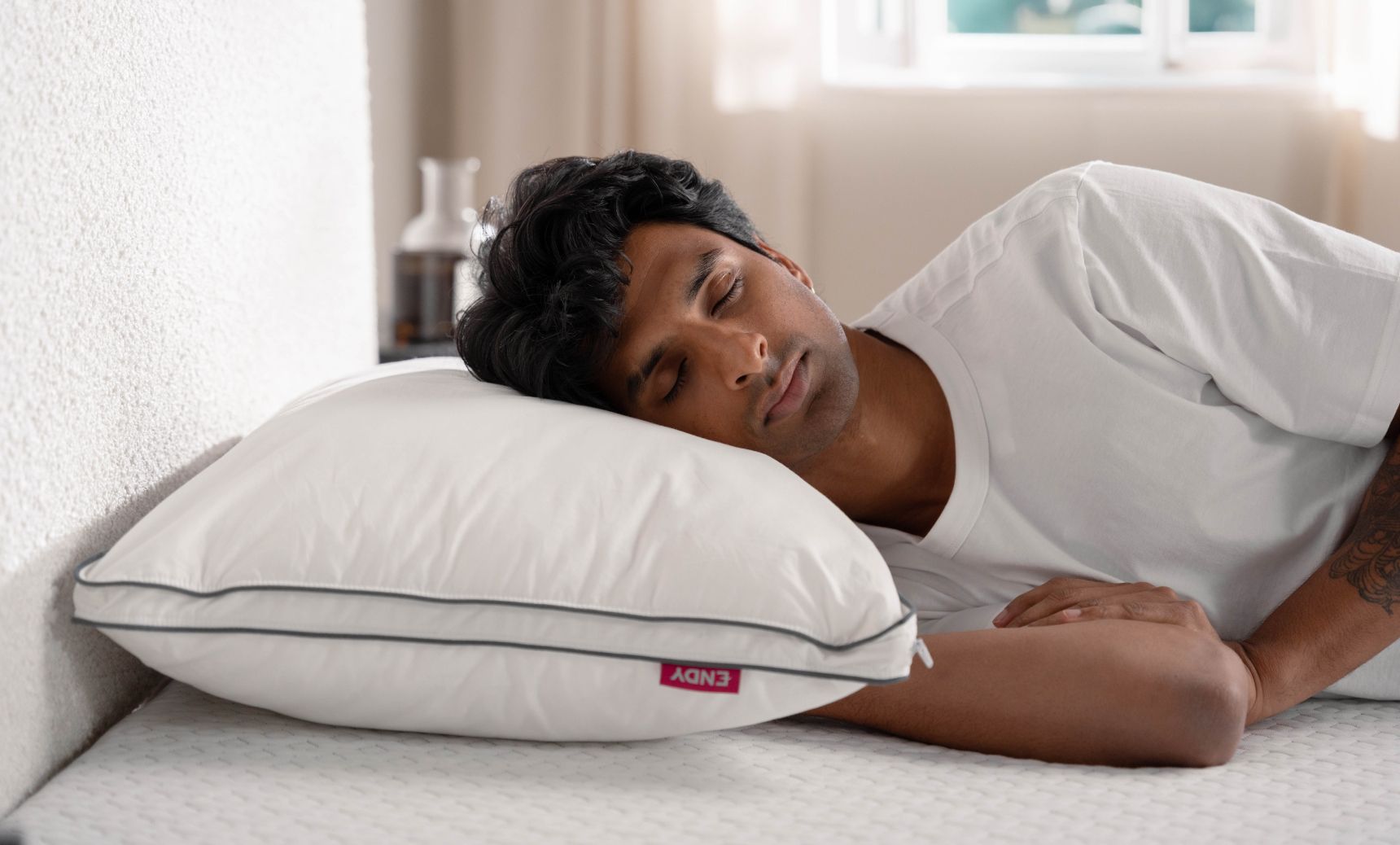
When you sleep on your side, your shoulder and hip bear the brunt of your body weight. Without adequate cushioning at those contact points, you're likely to wake up with numbness, tingling, or outright pain. A good mattress for side sleepers needs to conform to the natural curves of your body while still providing enough support underneath to keep your spine in alignment. Research published in PubMed supports the connection between proper spinal support and improved sleep quality, underscoring that pressure relief provides comfort and affects how rested you feel in the morning.
Spinal Alignment
When your spine stays in a neutral position, you reduce strain on your back muscles and ligaments overnight. The challenge for side sleepers is that too soft a mattress lets your torso sink, curving the spine out of alignment. Too firm, and it pushes back against your hips and shoulders without conforming. The sweet spot is a mattress that cradles without collapsing. A medium-firm mattress tends to hit that sweet spot for most side sleepers. It provides enough give at the shoulders and hips while keeping the midsection supported. Think of it like the mattress doing the work so your muscles don't have to.
Motion Isolation
Since side sleepers tend to move around more during the night, motion isolation becomes important if you’re sharing a bed. A mattress that absorbs motion means your partner won't be disturbed every time someone rolls over. Foam mattresses and pocket coil hybrids with foam layers both perform well here.
Comfort Layer Depth
Independent testing by sidesleeper.guide indicates that side sleepers benefit most from a comfort layer of 2–4 inches — deep enough to cushion the shoulders and hips but not so thick that it causes the body to sink unevenly. This comfort layer depth is what determines whether a mattress "hugs" you in the right places or lets you sink to the point of misalignment.
How to Choose the Right Firmness as a Side Sleeper
Firmness is one of the most important mattress factors for side sleepers to get right. On a 1–10 scale (where 1 is the softest and 10 is the firmest), most side sleepers fall in the 4–6 range. But where exactly you land within that range depends a lot on your body weight. According to the Sleep Foundation's mattress firmness guide, heavier bodies compress mattress materials more, so they need a firmer surface to maintain proper support. Lighter bodies don't compress materials as deeply and tend to benefit from softer, more contouring options.
Choosing the Right Firmness for Your Body Type
Body WeightFirmness RangeEndy RecommendationUnder 130lbsSoft to medium-soft (3–5/10)Endy Mattress (Plush) or Endy Hybrid (Plush)130–230 lbsMedium to medium-firm (4–6/10)Endy Mattress (Medium-Firm) or Endy Hybrid (Medium-Firm)Over 230 lbsMedium-firm to firm (5–7/10)Endy Hybrid (Medium-Firm or Firm)
Note: in independent testing, sidesleeper.guide found that 78% of side sleepers preferred mattresses between 4–6 on the firmness scale. This is in line with the medium to medium-firm range that Endy's core mattress options are designed for.
Not sure where you fall?
If you're between weight ranges or prefer sleeping in the fetal position, lean toward the softer end of the recommendation. If you tend to switch between side and back sleeping, a medium-firm is the safer bet.
The Benefits of Side Sleeping (And Why Your Mattress Matters More Than You Think)
Side sleeping is actually one of the healthiest positions you can sleep in when you have the right mattress supporting you.
It can reduce snoring and symptoms of sleep apnea by keeping airways more open compared to back sleeping.
It may help reduce acid reflux by keeping the head and upper body slightly elevated.
It promotes spinal alignment when paired with the right pillow and mattress, helping to prevent or alleviate back and neck pain.
The fetal position, one of the most popular side-sleeping variants, is even associated with a sense of psychological comfort and security.
However, side sleeping can also be hard on your body if your mattress isn't doing its job. The same position that aligns your spine perfectly can cause shoulder pain, hip discomfort, and numbness if the mattress is too firm, too soft, or just plain worn out. Investing in the right mattress isn't optional if you're a side sleeper, it's the difference between waking up refreshed and waking up sore.
5 Reasons Side Sleepers Wake Up in Pain (And How to Fix It)
Even with the best intentions, side sleepers often end up with a mattress that's working against them. Here are the most common culprits:
1. Your Mattress Is Too Soft or Has Started to Sag
A mattress that's too soft — or one that's worn out and sagging — causes your body to sink unevenly. Heavier parts of the body (hips and shoulders) dip further than lighter parts, which pulls your spine out of alignment. If you wake up with lower back pain or feel like you're sleeping in a hammock, this is likely your issue. The fix: Look for a medium-firm mattress that cradles your curves without collapsing under them. A high-density support foam base layer is key — it prevents the upper layers from sinking too far over time.
2. Your Mattress Isn't Supporting Your Hips and Shoulders
Side sleepers need their mattress to contour to the natural curves of their body — particularly at the shoulder and hip. If the mattress is too firm and doesn't yield at those contact points, pressure builds up and cuts off circulation. You'll feel this as the familiar numbness or tingling that wakes you up at 3am. The fix: Look for a mattress with a dedicated comfort layer (ideally 2–4 inches) made from responsive foam that adapts to your shape while still keeping your midsection supported.
3. You're Curled Too Tight in the Fetal Position
The fetal position is one of the most popular side-sleeping variants — but if you're curling up too tightly, you can restrict blood flow to your limbs and put strain on your joints. You don't have to ditch the position, just loosen it up a bit and let your limbs relax naturally.
4. You Have No Motion Isolation
If you share your bed and wake up every time your partner shifts, your mattress's lack of motion isolation is the problem. This is especially common with older innerspring mattresses. Pocket coil hybrids and foam mattresses solve this.
5. Your Pillow Height Is Off
Sometimes it's not the mattress — it's the pillow. For side sleepers, your pillow needs to fill the gap between your shoulder and your head, keeping your neck aligned with the rest of your spine. Too thin and your head drops; too thick and it cranks upward. A pillow that's too flat or too fluffy can create neck and shoulder pain that gets blamed on the mattress.
Endy Mattresses for Side Sleepers: Which One Is Right for You?
Endy has two mattresses designed to work for side sleepers, each with a Plush option purpose-built for the position. Here's how they break down.
The Endy Mattress (Foam)
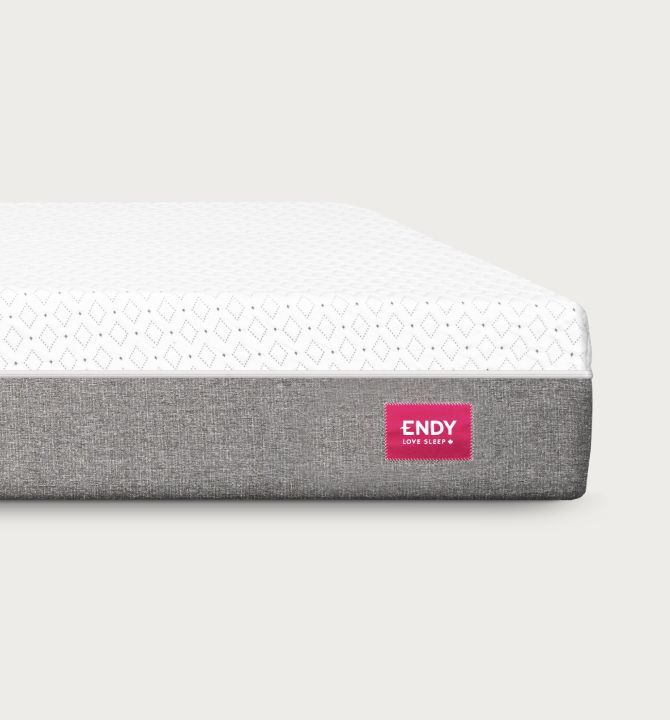
The Endy Mattress is a 100% foam mattress rated at medium-firm — landing right at the 6.5/10 mark on a firmness scale, which makes it ideal for side sleepers in the 130–230 lb range. It's available in three firmness options:
Medium-Firm (10"): the all-rounder, great for most side sleepers
Plush (11"): extra depth at the comfort layer for maximum pressure relief, ideal for side sleepers under 130 lbs or anyone who sleeps curled up tightly
Firm (9"): better suited to back and stomach sleepers
What makes the Endy Mattress work for side sleepers:
Endy Cooling Comfort Foam cradles and supports your body to promote deep sleep, gently contouring to your shape to reduce pressure on joints and muscles
Pressure-Relief Foam transition layer reduces tossing and turning and eliminates motion transfer so you won't feel it when your partner moves
High-Density Support Foam base keeps the spine aligned by preventing the upper layers from sinking too far 100% breathable open-cell foam with cooling gel infusion keeps you comfortable all night
Machine-washable micro-quilted cover for easy maintenance
CertiPUR-US® certified, hypoallergenic, and latex-free
The Endy Hybrid Mattress
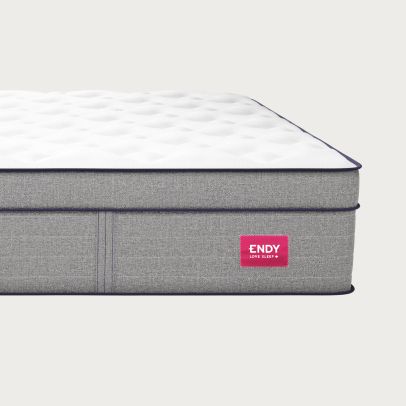
The Endy Hybrid is the premium step up, combining Endy's signature comfort foam with a zoned pocket coil system. It's available in:
Medium-Firm (12"): strong all-round option for side sleepers 130 lbs and up
Plush (13"): the deepest comfort layer in the Endy lineup, ideal for side sleepers who want that cloud-like feel
Firm (11"): Better for back and stomach sleepers
What makes the Endy Hybrid exceptional for side sleepers:
Zoned coil support system: The 7" individually wrapped high-carbon steel pocket coils provide targeted, ergonomic lumbar support. This means it is firmer where your midsection needs support and softer where your shoulders and hips need to sink in. This is the hallmark feature for side sleepers who need precise pressure relief without sacrificing alignment.
Superior motion isolation: The combination of Pressure-Relief Foam and pocket coils delivers zero motion transfer, which is one of the best setups for couples
Edge support: The reinforced edges mean you can sleep close to the side of the mattress without feeling like you'll roll off. This is great if you naturally gravitate toward the edge of the bed.
Enhanced airflow: Hundreds of coils create additional airflow channels below the foam layers, making the Hybrid an excellent option for side sleepers who tend to sleep hot
CertiPUR-US® certified, hypoallergenic, and latex-free
Proudly Canadian
Both the Endy Mattress and the Endy Hybrid are designed, manufactured, and shipped within Canada — produced at facilities in Ontario and Quebec. As Canada's original mattress-in-a-box (founded in Toronto in 2015), Endy has been built around one mission: making exceptional sleep accessible to all Canadians. With over 500,000 mattresses sold and a 4.9-star rating based on 30,000+ reviews, that mission is working.
Foam vs. Hybrid: Which Is Better for Side Sleepers?
Both mattress types work well for side sleepers — but they have distinct advantages depending on your priorities.Choose the Endy Mattress (Foam) if you:
Sleep alone or with a partner who doesn't move much
Prefer a quieter, completely silent mattress
Are a lighter sleeper (under 150 lbs) and want maximum contouring
Sleep with a partner and want zoned support that adapts to two different body types
Run warm at night and want the extra airflow from the coil layer
Weigh over 200 lbs and want the added support structure of steel coils
Switch between side and back sleeping — the hybrid's zoned system handles multiple positions particularly well
Want edge-to-edge support so you can use the full surface of your mattress
Short answer: if you're a dedicated side sleeper who prioritizes pressure relief and silence, the Endy Mattress Plush is a strong pick. If you want versatility, premium support, and better temperature regulation, the Endy Hybrid Plush is worth the upgrade.
Choosing a Mattress in Canada: What to Know
Shopping for a mattress in Canada is a little different than shopping in the US. Canadian winters mean temperature-neutral materials matter more — foam mattresses that stiffen in cold environments or soften too much in summer heat are a problem unique to Canadian climates. Endy's temperature-neutral foam is engineered to maintain consistent feel and firmness through every Canadian season. No stiffer-in-winter, softer-in-summer fluctuations. Canadian shoppers also tend to compare domestic brands when mattress shopping — looking for locally-made options that come with reliable trial periods and warranties. Here's where Endy stands out on the specs that matter most:
Canadian-made: Manufactured in Ontario and Quebec
365-night sleep trial: The maximum offered in the Canadian market (most brands offer 100–365 nights). You need time to find out if a mattress works for you as a side sleeper, and Endy gives you a full year.
15-year limited warranty: if you have a problem with your mattress, Endy will send you a new one at no extra cost.
Free shipping to all Canadian provinces; ships in 1 day for in-stock orders
Top Canadian Mattresses for Side Sleepers: How They Compare
Canadian shoppers comparing mattress brands have more good options than ever. When researching a mattress purchase, Endy, Silk & Snow, and Douglas are among the most frequently compared domestic brands — and for good reason. All three are Canadian, all three ship in a box, and all three offer meaningful sleep trials. Here's an honest look at how they stack up on the specs that matter most to side sleepers.
BrandSleep TrialWarrantyFirmness OptionsMade in CanadaEndy365 nights15 years (with registration); 10 years defaultPlush, Medium-Firm, Firm — across both foam and hybridManufactured in Ontario & QuebecSilk & Snow365 nights15 yearsSoft, Medium, Firm (foam); Medium (hybrid)Sold & shipped from CanadaDouglas365 nights15 yearsMedium (foam only)Sold & shipped from CanadaHelix100 nights10 yearsMultiple models ranging from Soft to Firm, including the Midnight (medium) popular with side sleepersNot Canadian-madeNectar365 nightsLifetimeMedium-Firm (standard)Not Canadian-made
A few notes:
Firmness options vary across brands. Endy's three-option lineup (Plush, Medium-Firm, Firm) across both foam and hybrid gives side sleepers more flexibility to match the right feel to their body weight without compromise.
All three brands offer CertiPUR-US® certified foam, so material quality is comparable on that front.
Canadian-made is a point of genuine differentiation for Endy: the mattresses are manufactured in Ontario and Quebec, not just sold and shipped from Canada.
*This comparison is based on publicly available product specifications. We'd always recommend trying any mattress within its trial period to assess real-world comfort for your specific sleep style and body type — specs alone don't tell the whole story.
Side Sleeper Accessories: Don't Forget Your Pillow
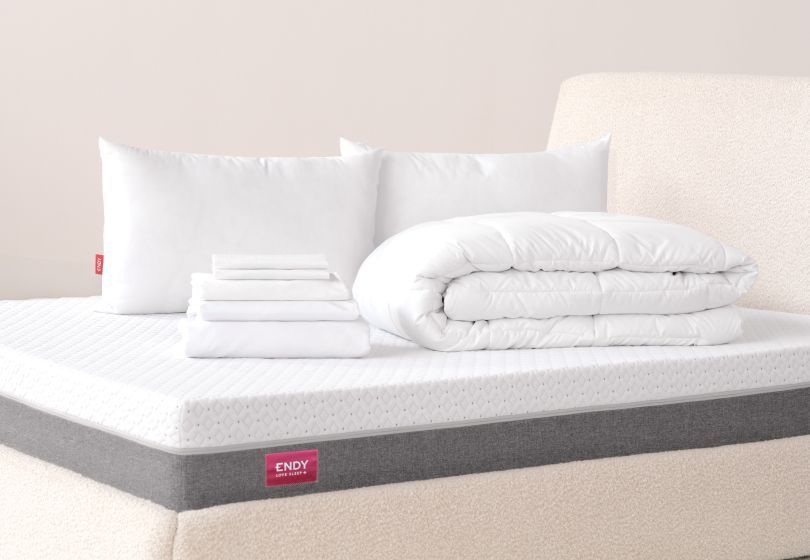
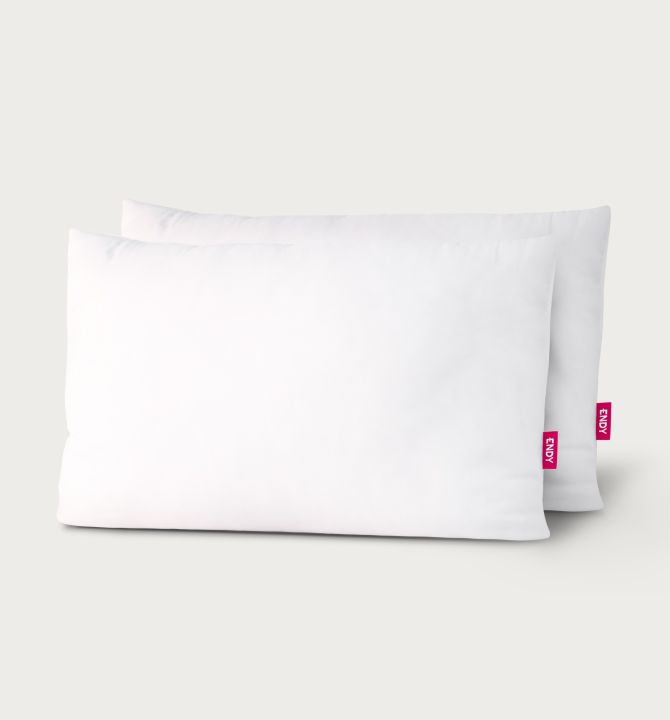
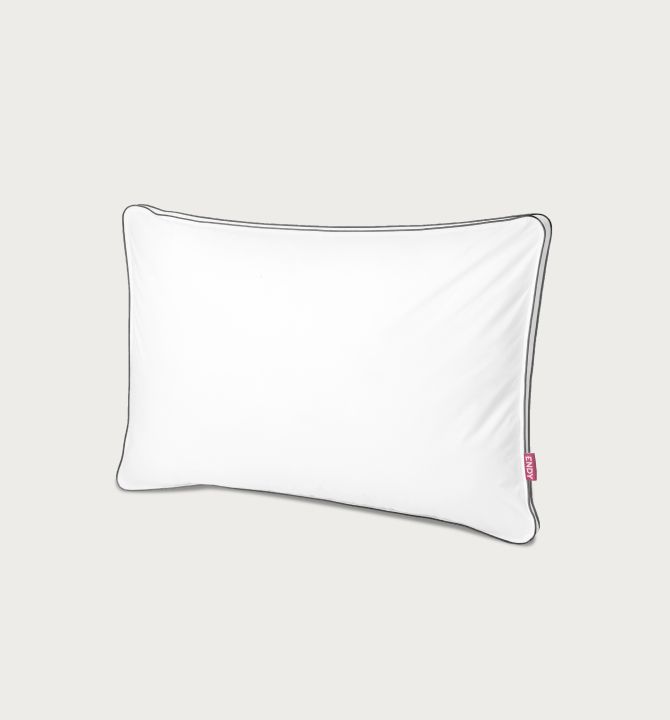
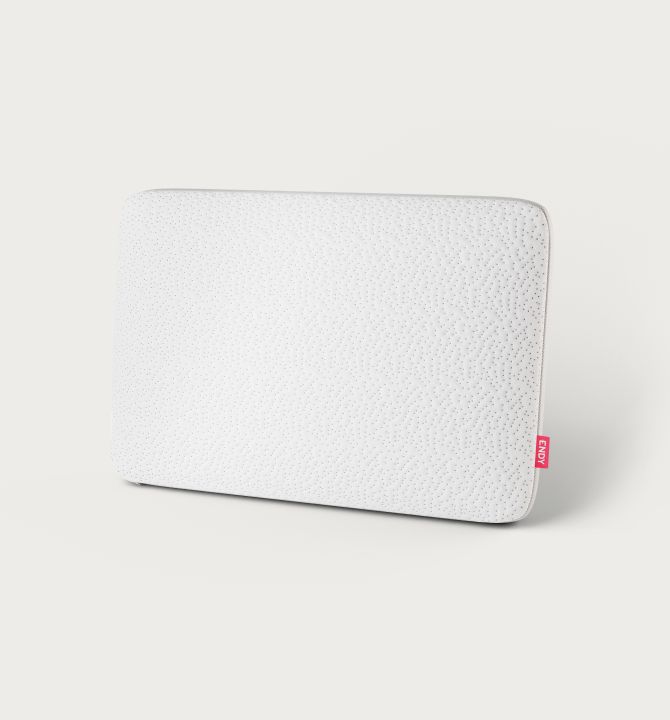
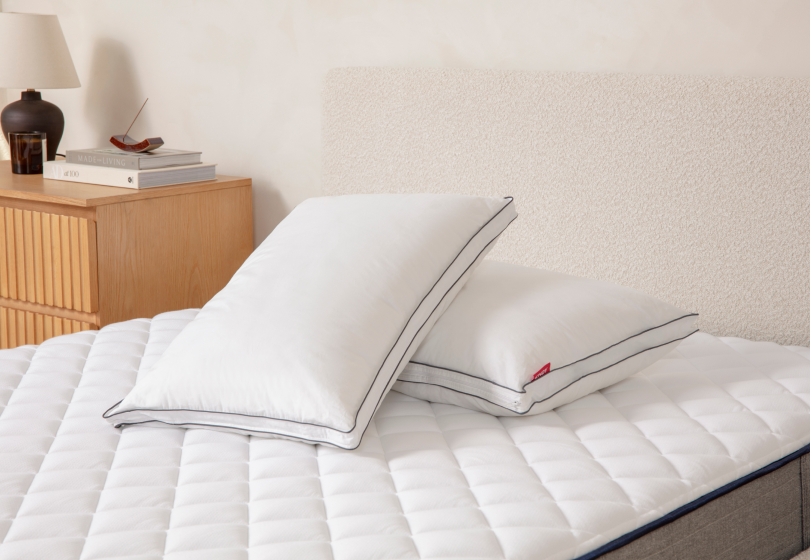
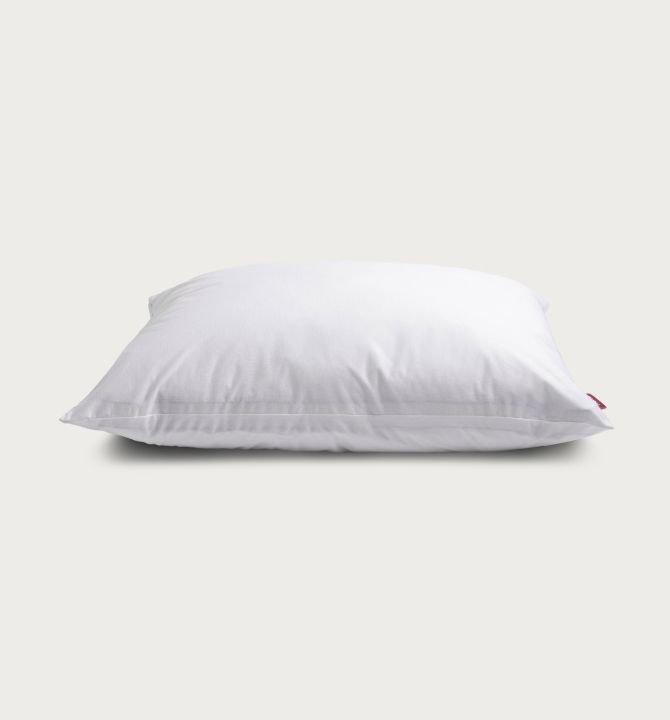
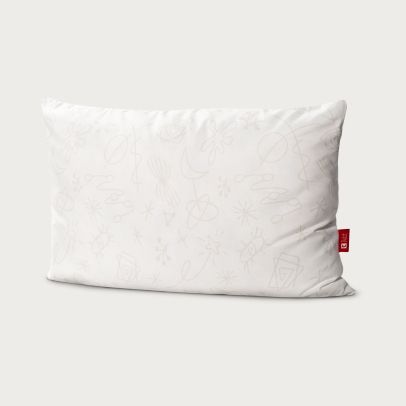
Your mattress does the heavy lifting — but it's not the only thing that determines how a side sleeper feels in the morning. Your pillow height and support level matter just as much for keeping your neck aligned with your spine. Endy's Customizable Pillow For side sleepers, the Endy Customizable Pillow is the go-to recommendation. It arrives completely full and allows you to adjust the amount of shredded memory foam inside so you can dial in the exact height and firmness that keeps your neck in a neutral, aligned position. Side sleepers generally need more loft than back or stomach sleepers to fill the space between your shoulder and your head, and the customizable fill makes it easy to get that right without guessing. Endy's Memory Foam Pillow If you prefer something fixed, the Endy Memory Foam Pillow provides optimal cushioning for all sleep positions, comfortably cradling your neck and supporting your head. It's breathable and quick-response, which helps with temperature regulation throughout the night.
FAQ: Best Mattress for Side Sleepers
What firmness is best for side sleepers? For most side sleepers, a medium to medium-firm mattress (rated 4–6 on a 1–10 scale) provides the best balance of pressure relief and spinal support. Lighter sleepers (under 130 lbs) may prefer the softer end of that range (3–5), while heavier sleepers (over 230 lbs) may need something closer to firm (5–7) to get adequate support. Is a foam or hybrid mattress better for side sleepers? Both work well. Foam mattresses excel at motion isolation and contouring — great for lighter sleepers or those who prioritize silence. Hybrid mattresses add zoned coil support, better edge support, and improved airflow — making them a strong choice for heavier sleepers, hot sleepers, or those who switch between sleep positions. Endy offers both. How much comfort layer depth do side sleepers need? Independent testing suggests a comfort layer of 2–4 inches is ideal for side sleepers — deep enough to cushion the shoulders and hips without causing the midsection to sink out of alignment. The Endy Mattress Plush has a 2.5" comfort layer, while the Endy Hybrid Plush features a 2" comfort layer with an additional quilted top layer, plus a 2" transition foam layer for added depth. How long should I try a mattress before deciding if it's right for me? Most sleep experts recommend at least 30 days to properly adjust to a new mattress — but side sleepers may need longer to identify whether pressure points are developing or spinal alignment issues are emerging. Endy's 365-night trial gives you a full year to decide, which is the maximum available in the Canadian market. Is the Endy Plush mattress good for side sleepers? Yes — the Endy Plush was specifically designed with side sleepers in mind. The 11" Endy Mattress Plush features a 2.5" comfort layer for deeper cushioning and a cloud-like feel that cradles curves and relieves pressure at the shoulders and hips. The Endy Hybrid Plush (13") adds zoned coil support for side sleepers who want targeted lumbar support alongside that softer feel. Do Endy mattresses work for heavier side sleepers? Yes — the Endy Hybrid is particularly well-suited to side sleepers over 200 lbs. The 7" zoned pocket coil system provides the structural support heavier bodies need to maintain spinal alignment, while the foam comfort layers handle pressure relief at the shoulders and hips. For side sleepers over 230 lbs, the Endy Hybrid Medium-Firm or Firm options are worth considering. Check out our blog post here on the best mattresses for heavier sleepers.
The Bottom Line
The right mattress for side sleepers comes down to a few essentials: a comfort layer that cushions without collapsing, a support system that keeps the spine aligned, and a firmness level matched to your body weight. For most Canadians, that means a medium to medium-firm mattress in the 4–6 range — with a softer option (Plush) for lighter frames or those who love a deeply cradling feel.Endy's mattresses — both the all-foam Endy Mattress and the Endy Hybrid — are built for exactly this. They're made in Canada, backed by a full year of risk-free testing, and designed to work for real people in real Canadian bedrooms. Not sure which one is right for you? Start with the Plush, take advantage of the 365-night trial, and let your sleep quality tell you.

 Mattresses