The Ultimate Guide to Cool Sleep: Best Mattresses & Sheets for Hot Sleepers in 2026
By Sabrina Almeida
Maintaining a cooler body temperature while sleeping isn’t just about comfort—it’s essential for the deep, restorative sleep your body and mind need to function at their best. High temperatures disrupt melatonin production, reduce REM sleep, and leave you groggy, restless, and unrested.The good news is that the solution is layered and scalable. You don’t need to overhaul everything at once. Start with your sheets—switching from synthetic or dense-weave fabrics to percale cotton or linen is one of the fastest, most affordable improvements you can make. Then evaluate your mattress: if it’s trapping heat or past its prime, a breathable hybrid like the Endy Hybrid offers the best combination of airflow, support, and long-term confidence through its 365-night trial and 15-year warranty.Layer in a breathable protector, a lower-TOG duvet, and a cool bedroom environment, and you’ll have built a sleep setup that works with your body’s natural thermoregulation rather than against it.This guide brings together everything you need to know: the science of sleep temperature, how to choose the best mattress and cooling sheets for hot sleepers, and practical tips to build a cooler, more comfortable sleep environment for restful nights.
Why Sleep Temperature Matters
Your body temperature naturally drops as you fall asleep, and maintaining that lower core temperature is essential for reaching and staying in deep, restorative sleep. When your sleep environment is too warm, your body has to work harder to shed heat, leading to restless sleep, more frequent waking, and reduced time in REM cycles. High temperatures can also interfere with melatonin production, the hormone that regulates your sleep-wake cycle.Hot sleeping can be caused by many factors: a warm bedroom, heavy or non-breathable bedding, a mattress that traps heat, or personal physiology. Metabolism, hormonal fluctuations (such as those related to pregnancy or menopause), stress levels, and even certain medications can all increase the amount of heat your body generates at night. Understanding what drives your warmth helps you choose the right solutions.
The Two Pillars of a Cool Sleep Setup: Your Mattress and Your Bed Sheets
When it comes to building a cooler bed, two elements matter most: your mattress and your bed sheets. The mattress forms the foundation—it determines how much heat is absorbed and how much airflow circulates beneath you. Your sheets are the layer in direct contact with your skin all night, making their breathability and moisture-wicking ability equally critical for temperature regulation.Most people focus on one or the other, but the biggest gains come from optimizing both. Let’s start from the bottom up for a restful night.
Part 1: Choosing the Best Mattress for Hot Sleepers
The mattress is the most important structural element of your sleep environment. Its materials and construction determine how much heat gets absorbed, how much airflow circulates, and how well your body is supported—all of which directly affect temperature regulating.
How Mattress Materials Affect Sleep Temperature
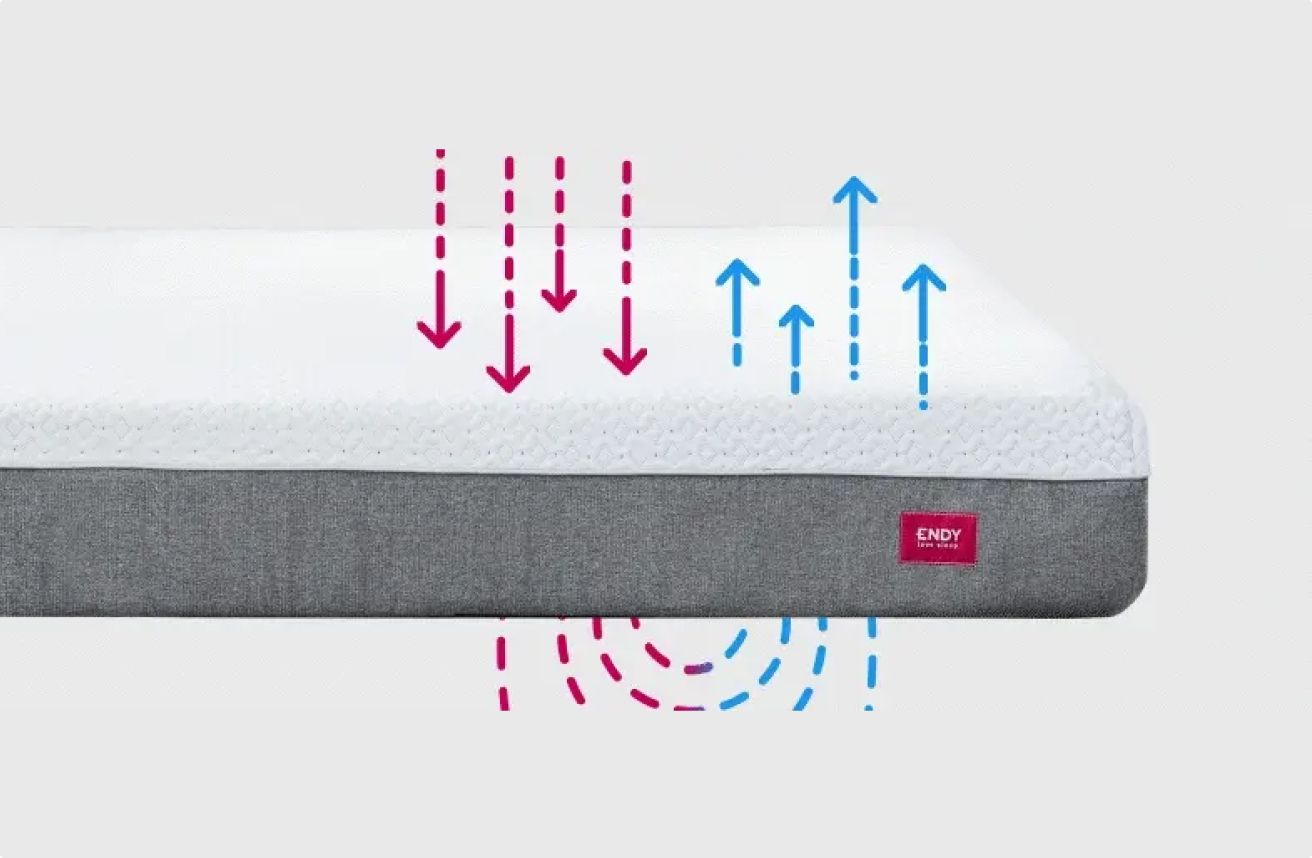
Pocketed Coils: Airflow by DesignHybrid mattresses, which combine foam comfort layers with a base of individually wrapped (pocketed) coils, are widely considered the gold standard for hot sleepers. The coil system creates vertical channels that allow air to circulate freely through the mattress, actively drawing heat away from the sleep surface and preventing the “oven effect”—the tendency of dense materials to absorb, trap, and radiate heat back at the sleeper.Latex: Naturally CoolNatural latex is inherently breathable. Its open-cell structure resists heat retention in a way that traditional memory foam cannot, making it a preferred material for sleepers who want a responsive, cool-to-the-touch surface without the sinking sensation of foam. Latex mattresses also tend to be durable and resilient over time.Traditional Memory Foam: The Heat TrapTraditional memory foam conforms closely to the body, which is great for pressure relief but problematic for temperature regulation. That close contouring creates a sealed pocket of warmth around the sleeper, making it one of the hottest mattress materials available. If you love the feel of foam, look for open-cell or gel-infused variants specifically engineered to address this issue.Open-Cell Foam: The Modern UpgradeOpen-cell foam is designed with an internal structure that allows air to pass freely between layers, unlike the dense closed-cell structure of traditional memory foam. This innovation delivers many of the comfort benefits of foam—pressure relief, contouring, motion isolation—without the heat buildup. High-quality open-cell foams certified by CertiPUR-US® are also made without harmful chemicals and have low VOC emissions, making them safe for all members of the household.Phase-Change Materials (PCMs): Tech-Enhanced CoolingSome modern mattresses incorporate phase-change materials (PCMs), which absorb excess body heat when you’re warm and release it back when you cool down. Technologies like KulKote™ and GelFlex are used in select hybrid mattresses to regulate surface temperature throughout the night. PCM-equipped mattresses tend to sit at a higher price point, but they can be effective for sleepers who run especially hot.
Top 5 Mattresses for Hot Sleepers in Canada
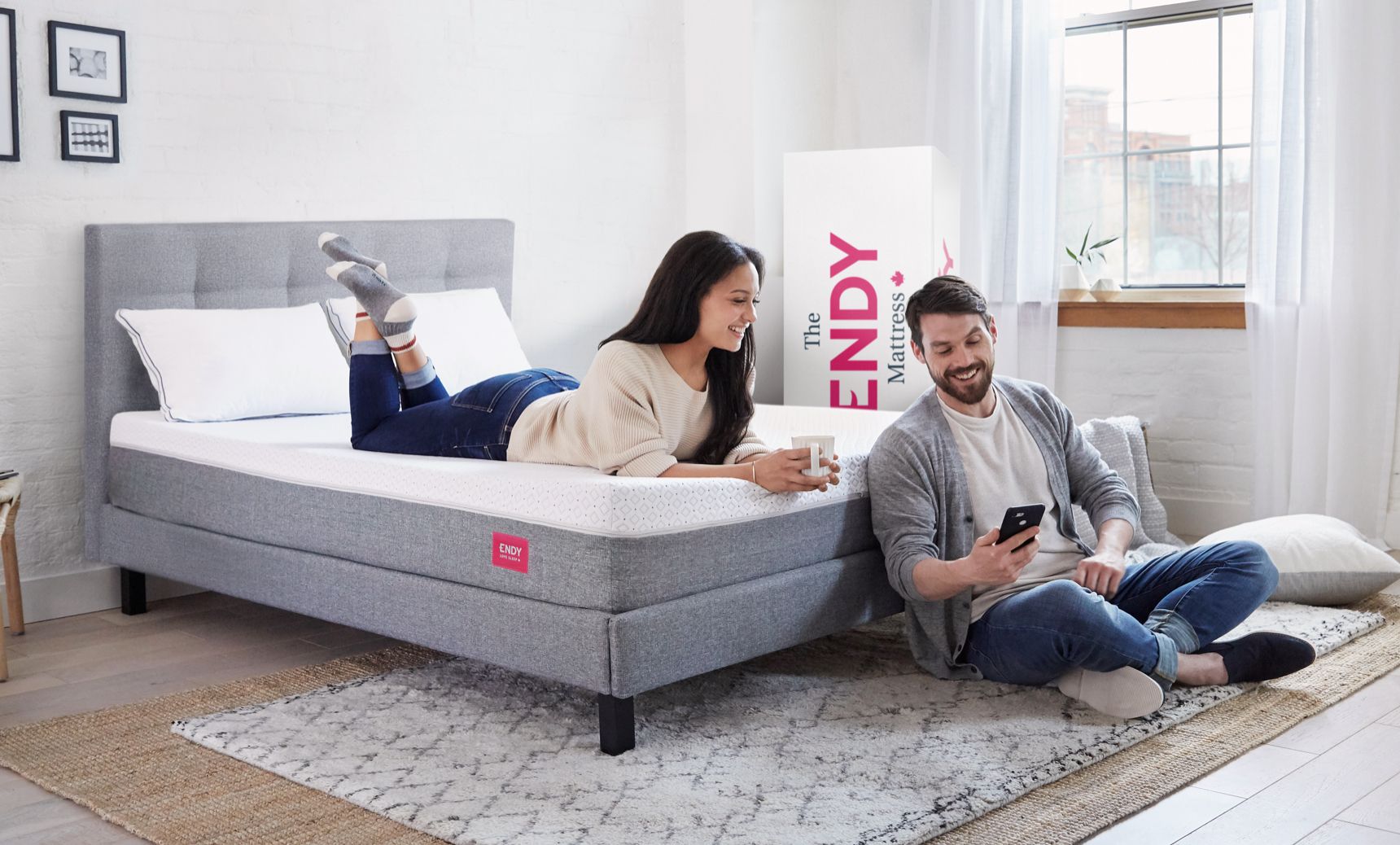
Here’s how the leading Canadian options compare based on their cooling approach:Best Canadian All-Around Cooling Hybrid: Endy Hybrid — The Endy Hybrid combines breathable open-cell foam with pocketed coils for maximum airflow. Proudly designed and manufactured in Canada, it comes backed by a 365-night trial and a 15-year warranty, giving you a full year to test its performance across every Canadian season.Best Memory Foam with Specialized Cooling: Tempur-Pedic Breeze — The Breeze line uses Pure Cool® Plus material and a SmartClimate® cover engineered to actively pull heat away from the body. A strong option for those who want the Tempur-Pedic feel with enhanced temperature management.Best Natural Breathability (Latex): Essentia — Essentia uses patented Beyond Latex™ organic foams and GOLS-certified organic latex with an open-cell structure that resists heat retention. Ideal for sleepers who want a natural, chemical-free option.Best Hybrid with Phase-Change Materials: Polysleep Zephyr — The Zephyr features KulKote phase-change material and GelFlex Plus technology to regulate surface temperature and reduce heat fluctuations throughout the night.Best Hybrid with Targeted Support: Sealy Posturepedic — With over 700 individually wrapped coils and moisture-wicking covers, the Posturepedic Hybrid is a reliable choice for those who need cooling support at a more accessible price point.
Choosing the Right Cooling Mattress for Your Sleep Style
Your sleep position and body weight directly affect how much heat your mattress retains. When your body sinks too deeply into the materials, it restricts airflow and traps heat around the torso and limbs. The right level of firmness keeps you “on top” of the mattress rather than “in” it, maximizing the surface area exposed to air.
Side Sleepers: Medium-Firm
Side sleeping is the most common position and requires pressure relief at the shoulders and hips. A medium-firm hybrid provides the cushioning needed at these pressure points while maintaining airflow through its coil core. Avoid overly firm mattresses that create discomfort and cause you to toss and turn (which raises body temperature). You should also steer clear of thick traditional memory foam that can envelope the body and create a heat trap around the torso and legs.
Back Sleepers: Medium-Firm to Firm
Back sleepers need lumbar support to prevent the spine from bowing, which can lead to back pain. Medium-firm to firm hybrids work best. With proper lumbar support, you stay “on top” of the mattress, exposing more surface area to the air and allowing for better natural heat regulation.
Stomach Sleepers: Firm
Stomach sleeping is often the hottest position because the front of the body—where we feel heat most intensely—is in full contact with the bed. Stomach sleepers need firmer support to prevent hip sinkage, which leads to spinal misalignment and increased heat retention. Firm hybrids are the top choices for this group, as they resist the sinking sensation of traditional foam.
Body Weight Considerations
Lighter sleepers (under 130 lbs) may not compress the mattress enough to engage the cooling coils fully, so a slightly softer hybrid can help ensure comfort without sacrificing airflow. Those over 230 lbs typically benefit from firmer, more supportive options—coil-based hybrids provide the structural integrity needed to prevent excessive sinkage and maintain consistent airflow.
What to Look for in a Cooling Mattress: A Quick Checklist
Prioritize hybrid or latex construction: Pocket coils paired with breathable foam layers are the most effective combination for hot sleepers. Avoid mattresses made primarily of thick traditional memory foam.
Look for open-cell or ventilated foams: If the mattress includes foam layers, ensure they feature an open-cell structure or ventilation channels to allow heat to escape.
Check for temperature-neutral materials: Temperature-neutral foam won’t absorb body heat as you warm up, keeping the surface cool and maintaining the mattress’s supportive base throughout the night.
Consider hypoallergenic certifications: Allergies can cause physical discomfort that raises body temperature. Look for CertiPUR-US® certified foams or GOLS-certified latex.
Match firmness to your sleep style: Use the sleep position guidance above to choose a firmness that keeps you on top of the mattress rather than sinking into it.
Find a long trial period: Cooling performance varies by season and bedroom environment. Look for at least a 90-night trial—ideally longer—so you can test the mattress through real conditions.
Part 2: Choosing the Best Sheets for Hot Sleepers
Even the most breathable mattress is undermined by the wrong bed sheets. Because sheets are the layer in direct contact with your skin all night, their material, weave, and construction have an outsized impact on how warm or cool you sleep. The right bed sheets are moisture wicking, allow heat to dissipate, and feel light and breathable against the body.
Best Sheet Materials for Hot Sleepers
Percale CottonPercale cotton sheets are the top recommendation from sleep experts and major publications alike for its superior breathability. Percale uses a classic one-over-one weave that creates a crisp, matte finish with plenty of room for airflow (it does not trap heat), allowing body heat and moisture to escape easily. For the best experience, look for long-staple cotton varieties such as Pima or Egyptian cotton, which offer added softness without sacrificing the lightweight, cooling feel.Linen (Flax)Linen is an excellent choice for hot sleepers who want to stay cool, particularly in humid or hot climates. The fibers are hollow, allowing them to naturally wick moisture away from the skin while providing outstanding breathability. Linen may feel slightly textured or stiff initially, but it is famously durable and softens significantly with every wash. It also has a relaxed, “lived-in” aesthetic that many sleepers love.Tencel / LyocellTencel is a brand name for lyocell, a fiber derived from eucalyptus wood pulp. It is naturally cool-to-the-touch and offers a smooth, silky feel that many sleepers prefer over the crispness of cotton. Tencel is exceptional at moisture management, making it a strong choice for those who deal with night sweats. It is also produced through a closed-loop manufacturing process, making it one of the more environmentally sustainable sheet options.Bamboo (Viscose/Lyocell)Bamboo sheets share many of Tencel’s qualities—silky texture, moisture-wicking properties, and a softness that is often described as luxurious. They are a popular alternative for hot sleepers who want a softer feel than percale cotton, though the manufacturing process for bamboo viscose varies widely in quality and sustainability, so it’s worth researching brands carefully.What to Avoid: Synthetic FabricsStandard polyester and microfiber sheets are among the worst choices for hot sleepers who want to stay cool. These synthetic fabrics trap heat, reduce breathability, and can create a “sweaty” feeling even in cool rooms. The only exception is sheets that have been specifically engineered with cooling technology (such as those using phase-change material coatings), but for most sleepers, natural fibers will outperform synthetic options.Cooling Technologies in SheetsBeyond natural fibers, some modern sheets incorporate specialized cooling technology, such as phase-change materials (PCMs). Technologies like Outlast and 37.5® are designed to absorb excess heat and release it when your body cools, proactively regulating temperature throughout the night.Independent testing has found that while these technologies can be effective, natural fibre breathability often outperforms synthetic cooling treatments for many sleepers. Tech-enhanced sheets also tend to come at a premium price point. If you’re considering them, look for companies that offer trial periods so you can test performance at home before committing.
Understanding Weave: Why Percale Beats Sateen for Cooling
Both percale and sateen bed sheets are commonly woven from cotton, but their breathability differs dramatically because of their weave structure—and for most hot sleepers, this distinction matters more than almost any other factor.Percale uses a one-over-one weave where threads interlace in a tight but open grid pattern. This structure prevents threads from packing too tightly together, maximizing the space between individual yarns and allowing heat and moisture to escape freely. The result is a crisp, lightweight, matte sheet with excellent airflow.Sateen uses a three-over-one (or four-over-one) weave that places more threads on the surface of the fabric. This creates the silky, lustrous finish and wrinkle-resistant drape that sateen is known for, but the denser surface naturally traps more heat than percale. Sateen is a beautiful, high quality sheet, but it is not optimized for keeping cool.The right choice depends on your priorities:
Choose Percale Bed Sheets if: Your primary goal is maximum cooling and breathability. Percale is the best choice for hot sleepers who prefer a crisp, lightweight feel that actively helps regulate body temperature.
Choose Sateen Bed Sheets if: You prioritize a luxuriously soft, silky feel and are willing to sacrifice some breathability. For sleepers who don’t overheat severely, sateen’s enhanced comfort may outweigh its heat retention.
Thread Count: What Actually Matters for Cooling Sheets
There is a widespread misconception that a higher thread count always means high quality sheets. While thread count does influence softness and durability, it is not the most critical factor for hot sleepers—weave structure is. A crisp percale sheet with a thread count of 200–300 will sleep significantly cooler than a dense sateen sheet with 400+, even if both are made from the same cotton.Thread counts above 500 often trap heat regardless of the material or weave, as the fabric becomes too dense to allow adequate airflow. For hot sleepers, bedding experts and major publications consistently recommend a thread count in the 200–400 range for percale or linen sheets. This moderate density provides a balance of durability, softness, and the unrestricted airflow needed to stay cool.
Practical Buying Tips for Hot Sleepers who want restful nights
Check certifications: Look for OEKO-TEX Standard 100 or GOTS certifications to ensure your sheets are free from harmful chemicals, especially for organic cotton.
Consider your climate: If you live in a humid environment, linen is the standout choice for its combination of airflow and moisture-wicking. In drier climates, percale cotton or Tencel both perform well.
Match sheets to your specific concern: If you sweat heavily at night, prioritize long-staple percale cotton or Tencel for their superior moisture management. If you run warm but don’t sweat, linen works beautifully.
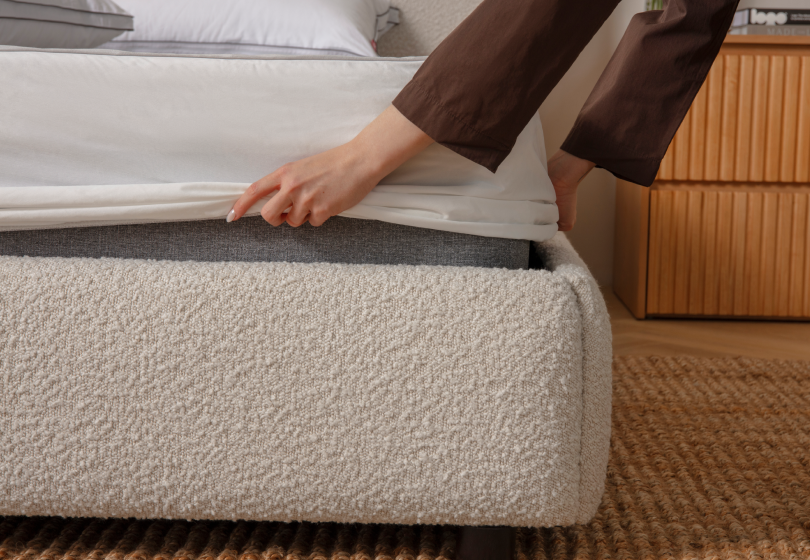
Check pocket depth: Ensure the fitted sheet has enough pocket depth to fit your mattress plus any cooling topper you might use. Measure the mattress height in at least two spots, away from the corners, for the most accurate reading.
Look for trial periods: Everyone’s internal thermostat is different. Companies that offer generous return or trial policies let you test the sheets’ feel across real sleeping conditions before committing.
Endy’s Organic Cotton Sheets
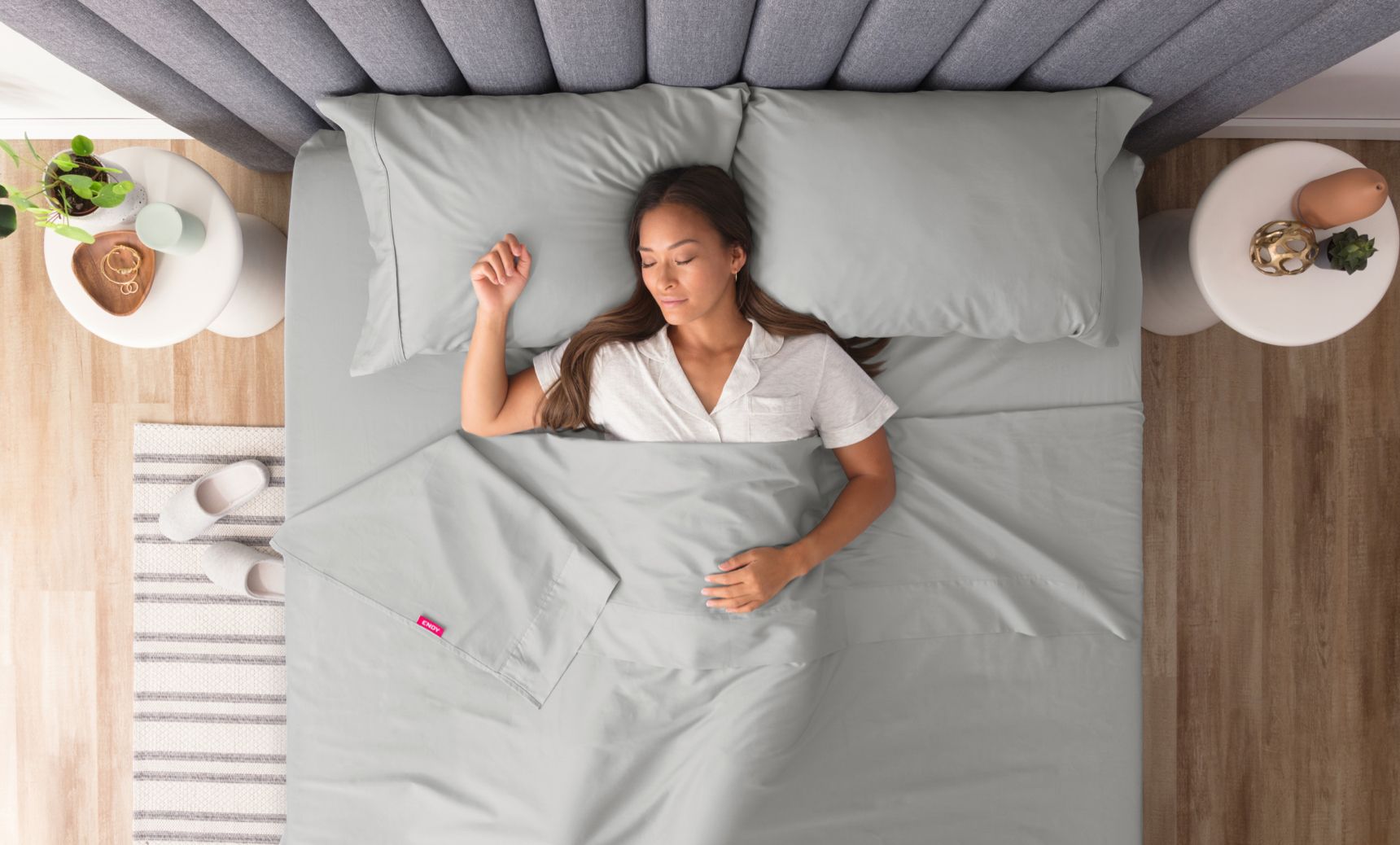
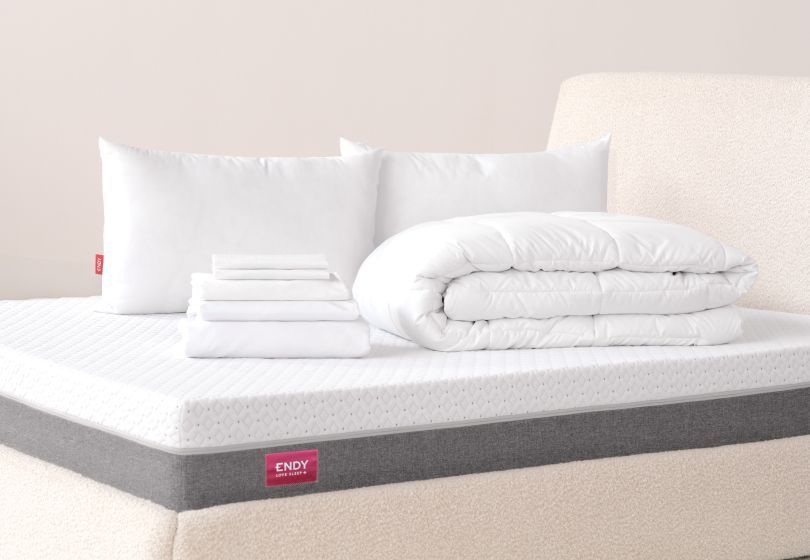
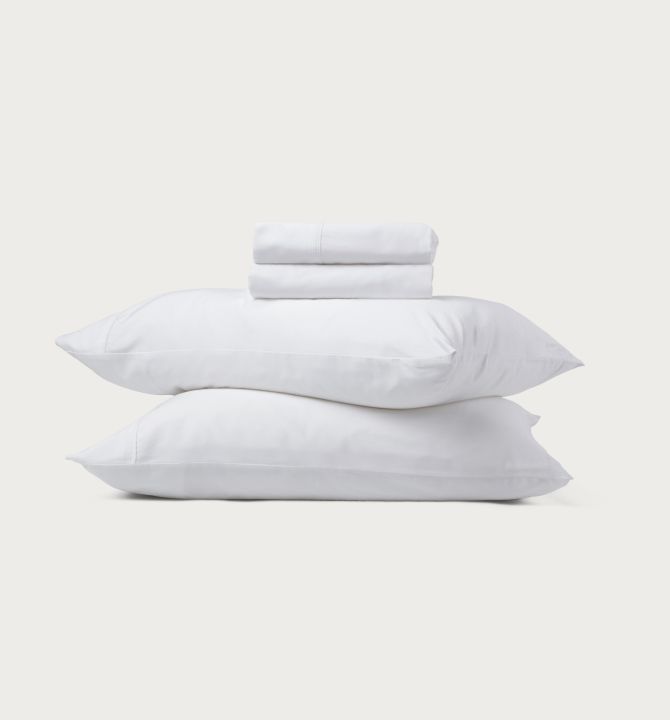
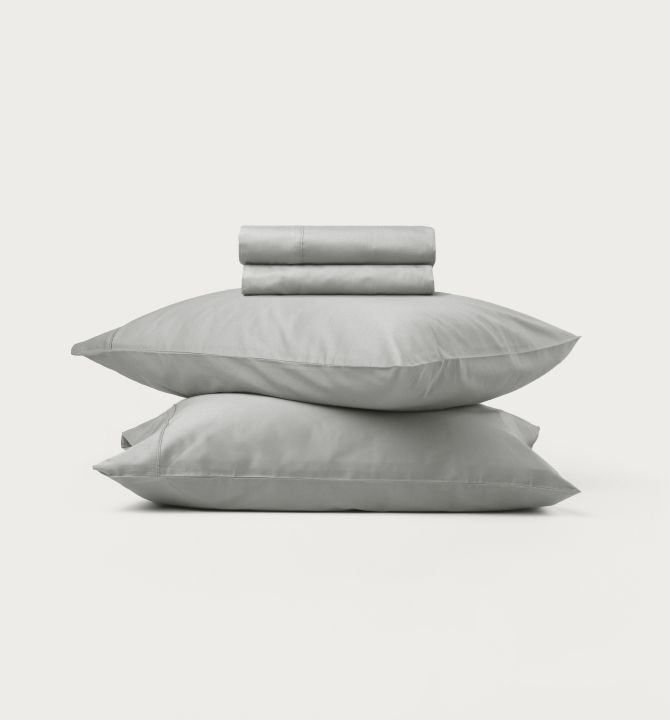
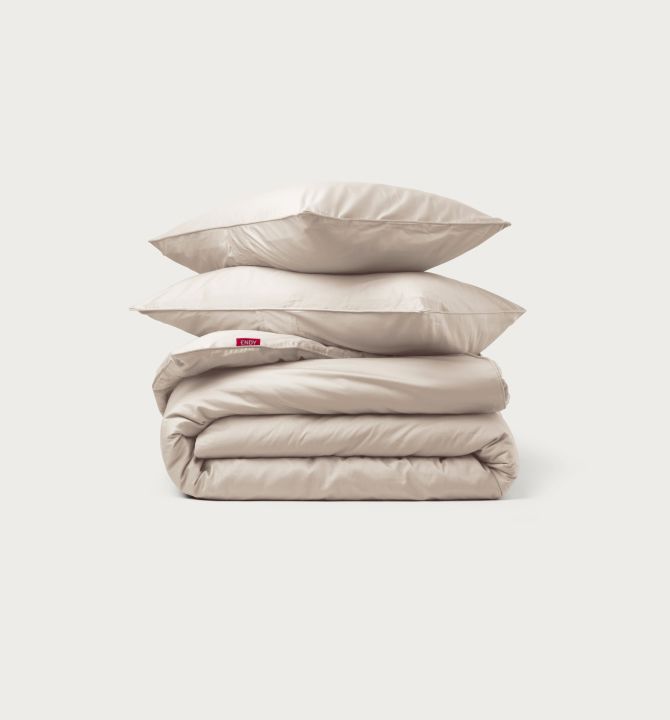
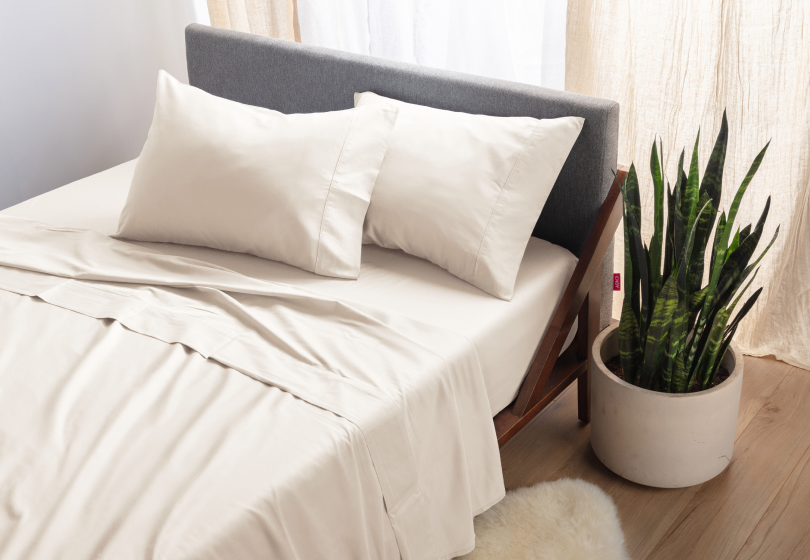
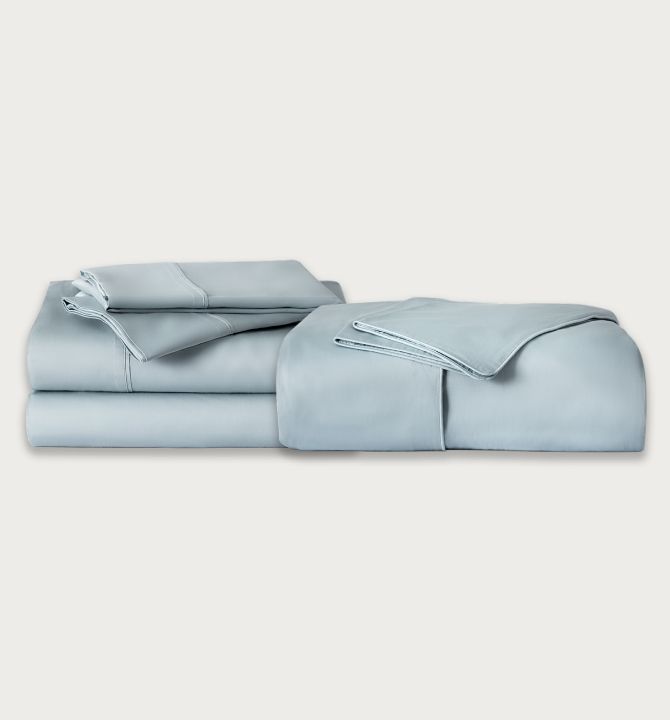
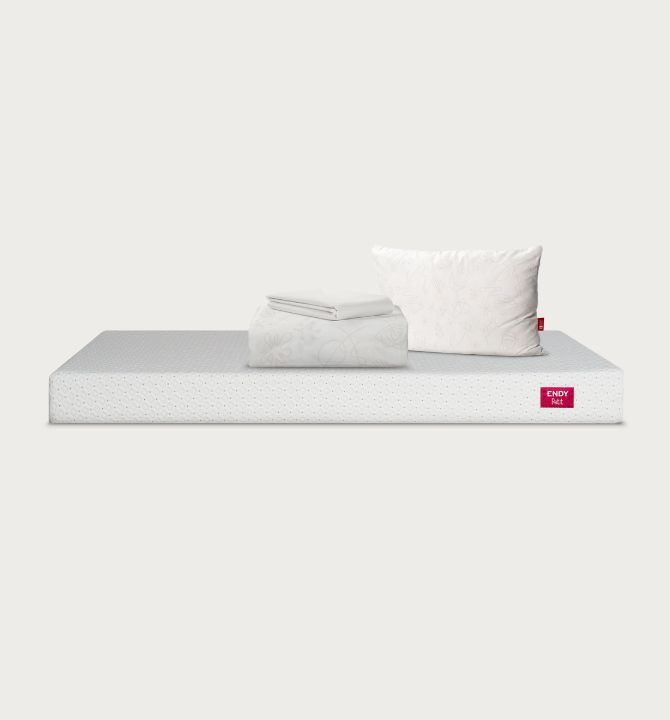
For hot sleepers looking for a well-engineered, Canadian-made option, Endy’s Organic Cotton Sheets are made with 100% organic cotton in a percale weave, with a 300 thread count that strikes the right balance between durability and breathability.
Made with lightweight and airy 100% organic cotton for a cooler night’s sleep. Sleep easy knowing these sheets are naturally hypoallergenic and machine washable!Shop Organic Cotton Sheets
Part 3: Building Your Complete Cool Sleep Environment
Even with the right mattress and sheets, your broader sleep environment plays an important role. Here’s how to layer your setup for the coolest possible night’s sleep - even on hot summer nights!
Layer 1: The Right Mattress Protector
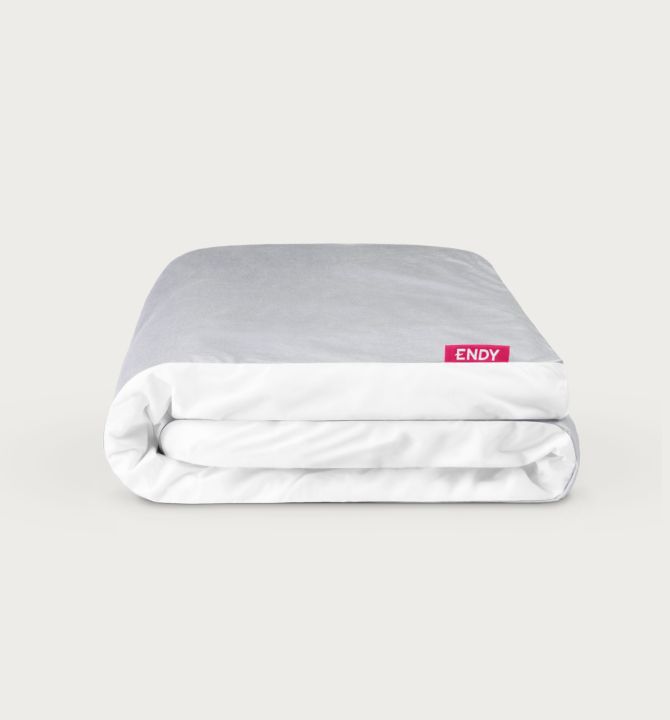
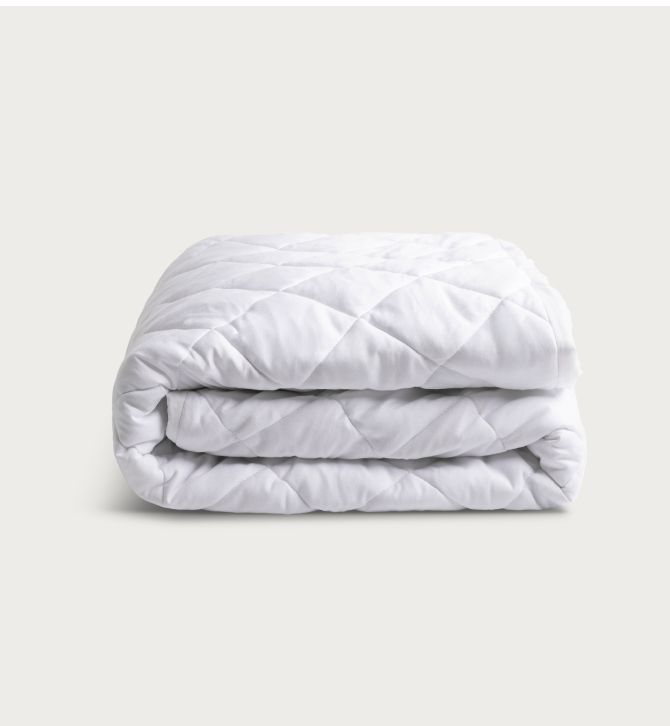
Many waterproof mattress protectors trap heat because they use non-porous materials that block liquids but also restrict airflow. If you use a protector (and it’s a good idea, they extend the life of your mattress significantly), choose one made from TENCEL™ (https://www.tencel.com/) fibres or another breathable material specifically designed to wick moisture and sweat. Avoid vinyl or plastic-backed protectors, which are among the hottest options available.
Layer 2: A Cooling Topper (If Needed)
If you already own a mattress that sleeps warm, a cooling topper can make a meaningful difference without requiring a full replacement. Look for a 2–3 inch gel-infused or natural latex topper, which adds a breathable layer between you and the mattress. Avoid memory foam toppers, which replicate the heat-trapping properties of traditional memory foam mattresses.
Layer 3: The Right Duvet
Your duvet contributes significantly to how warm you sleep. For hot sleepers, consider the following:
TOG Rating: Choose a duvet with a lower TOG (Thermal Overall Grade) rating—between 4.5 and 7—for warmer climates or if you sleep very hot. A summer-weight duvet or a year-round option with a breathable shell is ideal.
Natural fills: Bamboo and silk fills are highly breathable and help with temperature regulation, though they often come at a higher price point.
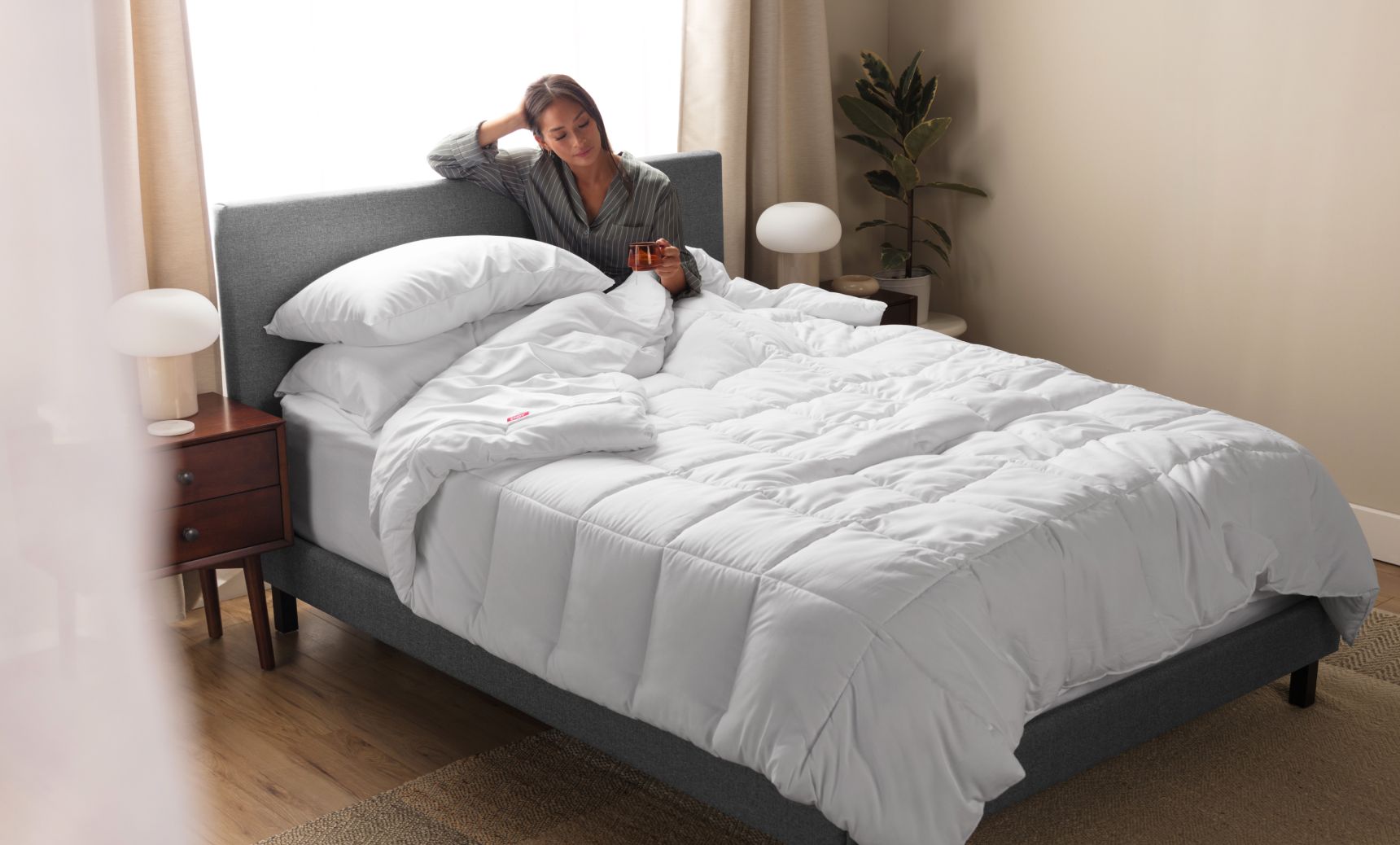
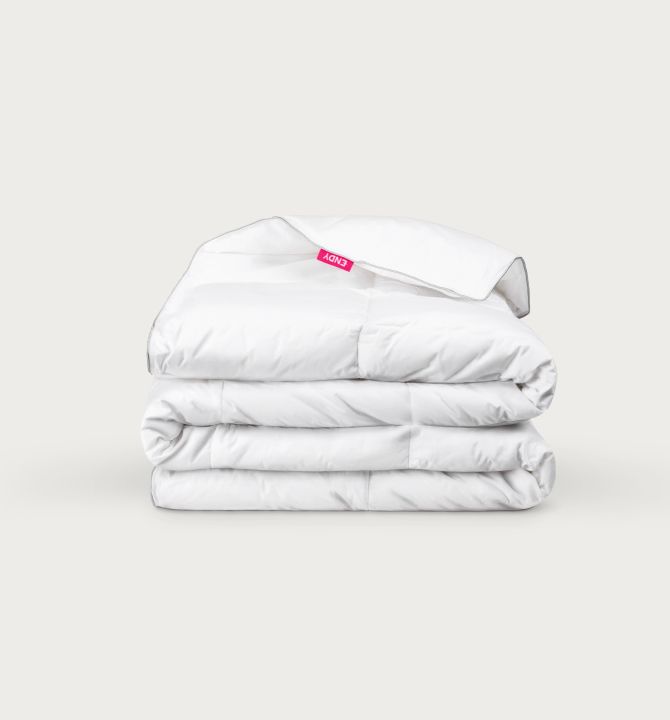
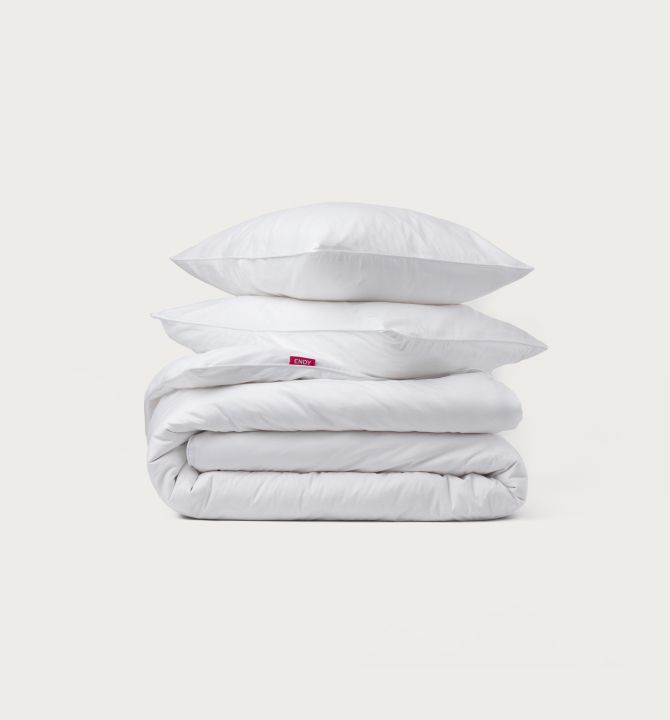
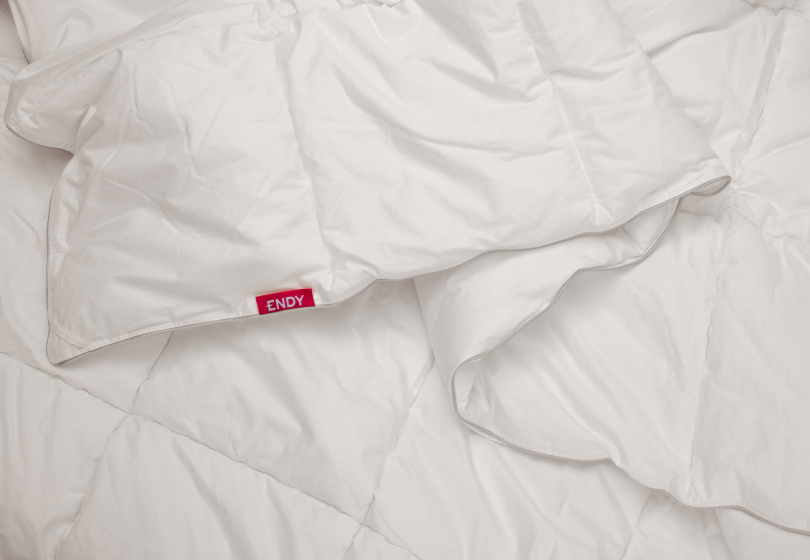
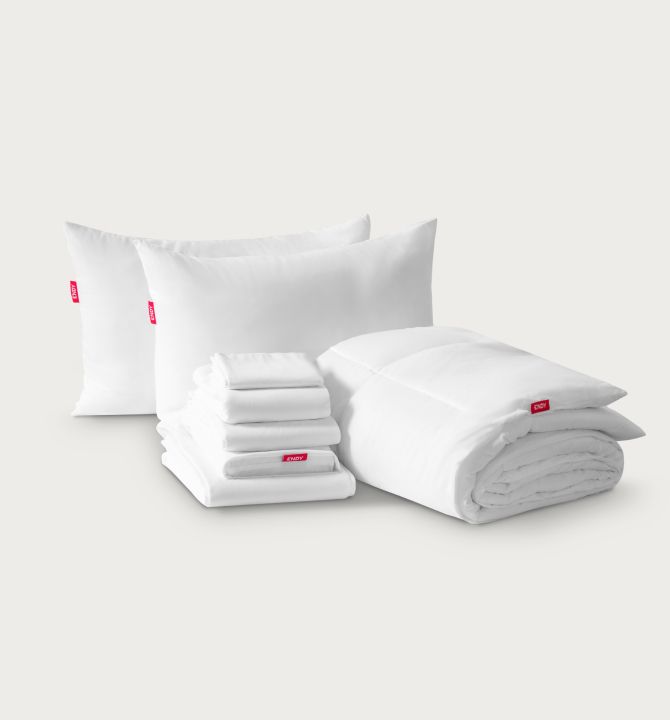
Down alternative: A hypoallergenic down alternative (like a polyester or microfiber fill) with a 100% cotton shell can be lightweight and breathable, though fill quality varies. The Endy Duvet uses a hypoallergenic down alternative fill with a 100% cotton shell for year-round comfort.
Layer 4: Your Sleep Environment
The room itself matters. The following adjustments can make a meaningful difference in sleep temperature:
Bedroom temperature: Most sleep researchers suggest keeping the bedroom between 15–19°C (60–67°F) for optimal sleep. If possible, use air conditioning, a ceiling fan, or open windows to achieve this range.
Air circulation: A fan aimed at the bed increases the evaporation of sweat, which helps cool the body more effectively than still air.
Blackout curtains: During summer months, keeping sunlight out during the day reduces room temperature significantly by the time you go to bed.
Manage stress: Stress activates cortisol, which can increase body heat production. Establishing a calming nighttime routine—journaling, meditation, light stretching—can help lower your body temperature before sleep. Keeping work out of the bedroom also helps reinforce the brain’s association between the bedroom and rest.
What If You Already Have a Mattress?
Changing your mattress is a significant commitment. If you’re not ready to replace yours, here are the most effective ways to improve cooling with your current setup:
Upgrade your sheets: This is the fastest and most affordable change you can make. Swap synthetic fabrics or heavy flannels for 100% organic cotton percale, linen, or Tencel.
Add a cooling topper: A gel-infused or latex topper adds a breathable layer between you and a heat-retaining mattress.
Choose a breathable protector: Replace any vinyl or plastic-backed protector with a TENCEL™-based option.
Adjust your duvet: Switch to a lower-TOG or summer-weight duvet for warmer months.
Optimize your room: Fan, air conditioning, blackout curtains, and open windows all contribute to a cooler sleep environment.
These changes can significantly extend the usability of your current mattress and improve your sleep quality. However, if your mattress is over 7 years old or showing signs of sagging, a replacement will provide better long-term value.
Quick Comparison: Best Materials at a Glance
Not sure where to start? Here’s a simple summary of how each mattress and sheet material compares for hot sleepers:
Mattress Materials
Pocketed coil hybrids: Best overall for a cooling and crisp feel. Active airflow through coil channels prevents heat buildup.
Natural latex: Excellent natural breathability with open-cell structure. Durable and resilient.
Open-cell foam: Good alternative to traditional memory foam with improved airflow. Look for CertiPUR-US® certification.
Traditional memory foam: Avoid for hot sleepers. Dense structure traps heat.
Phase-change material (PCM): Can be effective but comes at a premium. Best for severe hot sleepers who want tech-enhanced regulation.
Sheet Materials
Percale cotton: Best overall for cooling. Crisp, breathable, and widely available.
Linen: Best for humid climates. Naturally wicks moisture. Gets softer with washing.
Tencel/Lyocell: Best for night sweats. Silky, smooth, and exceptional moisture management.
Bamboo: Good alternative to Tencel. Soft and breathable, though manufacturing quality varies.
Synthetic (polyester/microfiber): Avoid unless specifically engineered for cooling. Typically traps heat.
FAQs About Hot Sleeping
Is it normal to be a hot sleeper?Yes. Factors like metabolism, hormonal fluctuations (pregnancy, menopause), stress levels, certain medications, and sleep environment all contribute to how hot you feel at night. Hot sleeping is one of the most common sleep complaints and is entirely manageable with the right setup.What is the best mattress for hot sleepers in Canada?For most Canadian hot sleepers, a hybrid mattress with pocketed coils and breathable foam layers is the gold standard. The Endy Hybrid is the top Canadian-made option, combining open-cell foam and coil technology with a 365-night trial and 15-year warranty. For sleepers who prefer natural materials, latex mattresses are an excellent alternative.What are the best sheets for hot sleepers?The best sheets for hot sleepers are made from breathable, moisture-wicking materials with high quality construction like percale cotton, linen, or Tencel. Among these, percale cotton in a 200–400 thread count is the most widely recommended for its combination of airflow, durability, and availability.Does thread count matter for cooling?Thread count matters less than weave structure. A percale sheet with a thread count of 200–400 will sleep cooler than a sateen sheet with 600+. Once thread count exceeds 500, the fabric generally becomes too dense for adequate airflow, regardless of the material.What mattress firmness is best for hot side sleepers?A medium to medium-firm feel is typically best. It provides enough pressure relief for the hips and shoulders while keeping you on top of the mattress to allow for airflow through the coil core. Perfect for temperature regulation.Are memory foam mattresses bad for hot sleepers?Traditional memory foam can trap heat due to its dense structure. However, modern alternatives like open-cell foam are specifically engineered for higher airflow. If you prefer foam, look for mattresses using CertiPUR-US® certified open-cell foam rather than traditional memory foam.Do heavier sleepers need firmer cooling mattresses?Yes. Heavier sleepers (over 230 lbs) benefit from firmer coil-based hybrids to prevent sinking too deeply into foam layers, which can trap heat around the body and restrict airflow.Is linen good for hot sleepers?Yes, linen is excellent for hot sleepers. Its hollow fiber structure and moisture-wicking properties make it particularly well-suited to warm or humid climates. Linen does wrinkle more easily than cotton and has a relaxed, “lived-in” texture, but it softens beautifully with washing.What is the best duvet material for hot sleepers?Look for lightweight, breathable options with a lower TOG rating (4.5–7). Natural fills like bamboo and silk are highly breathable, though they come at a higher price. A hypoallergenic down alternative with a 100% cotton shell (like the Endy Duvet) is a practical year-round choice.What if I already have a mattress that sleeps hot?Start with the most affordable changes first: upgrade to percale cotton or linen sheets, add a breathable mattress protector, and optimize your room temperature and airflow. If needed, add a gel-infused or latex topper. If your mattress is over 7 years old or sagging, a replacement will deliver the most significant long-term improvement.Is the Endy Hybrid good for both back pain and hot sleepers?Yes. The combination of pocketed coils provides lumbar support for back pain, while the open-cell foam and coil core work together to maximize breathability—a common concern with traditional orthopedic foam beds.Is Endy made in Canada?Yes. Endy mattresses are proudly crafted at facilities in Toronto, Ontario and Montréal, Québec—helping support local craftsmanship and reducing carbon footprint. Orders to Québec addresses are fulfilled from the Montréal facility.For more information on the best mattress for hot sleepers in Canada, visit our blog post here. For more information on the best sheets for hot sleepers, read our blog post here.


 Mattresses