What are the Best Sheets For Hot Sleepers in 2026?
By Sabrina Almeida
The best sheets for hot sleepers are made from breathable, moisture-wicking materials like percale cotton, linen, and Tencel (lyocell). These fabrics feature lightweight weaves and natural fibers that allow heat to escape and sweat to evaporate, keeping you cool and dry throughout the night. While thread count matters, the weave structure is actually more important—a crisp percale weave with 200-300 thread count will sleep cooler than a dense sateen weave with 400+ thread count.In this guide, we’ll break down the best materials for hot sleepers, the difference between weave and thread count, and some extra tips to help you find the best sheets.
what are the Best Sheet Materials for Hot Sleepers?
Experts at Forbes recommend percale cotton for hot sleepers for its superior breathability. To find the right fit for you, it helps to understand why these specific materials work best:
Percale Cotton
Percale uses a classic one-over-one weave that provides a crisp feel and superior airflow. Because the threads are woven loosely, there is more space for heat to escape. For the best experience, look for long-staple cotton (like Pima or Egyptian), which offers added softness without sacrificing that cooling, lightweight feel.
Linen (Flax)
Linen is a top choice for hot or humid climates. The fibers are hollow, which allows them to naturally wick moisture away from the skin and provide excellent breathability. While linen may feel slightly textured or stiff initially, it is famously durable and softens significantly with every wash.
Tencel/Lyocell
Tencel is a brand name for lyocell, a fiber derived from eucalyptus wood pulp. It is naturally cool-to-the-touch and offers a smooth, silky feel that many prefer over the crispness of cotton. According to the Sleep Foundation, Tencel is exceptional at moisture management, making it ideal for those who deal with night sweats.
Bamboo (Viscose/Lyocell)
Bamboo sheets are similar to Tencel in their silky feel and moisture-wicking properties. It remains a popular, breathable alternative for those who want a softer feel than percale.
Cooling Technologies
Beyond natural fibers, some modern bedding incorporates specialized cooling technology, like phase-change materials (PCMs). Technologies like Outlast and 37.5® absorb and release heat to proactively regulate your body temperature throughout the night.The Good Housekeeping Institute has tested these technologies and found that while they can be effective, natural fiber breathability often outperforms synthetic cooling treatments for many sleepers.Sheets with cooling technology like PCMs may be harder to find, plus they usually come at a higher price point compared to natural fiber options. If you are leaning towards purchasing tech-enhanced sheets, look for companies that offer trial periods for added peace of mind.
Understanding Weave: Why does Percale Beat Sateen for Cooling?
While both percale and sateen sheets are generally woven from cotton fibres, their breathability and feel differs because of their weave structure.Percale's one-over-one weave structure allows more airflow than sateen. The one-over-one structure prevents the threads from packing too tightly together, maximizing the space between individual yarns. This open structure is the secret to percale's superior breathability, allowing for ample airflow and heat dissipation away from the body. The percale weave creates sheets that are crisp and cool with a matte finish.On the other hand, sateen's three-over-one (or four-over-one) weave results in sheets that are softer and silkier than percale (it has a wrinkle-resistant drape and luminous sheen) but also less breathable. Since the weave is denser, with more threads packed close together on the surface, this structure naturally traps more heat than the open percale weave, making sateen less breathable.The choice between percale and sateen comes down to prioritizing comfort attributes:
Choose Percale If: Your primary goal is maximum cooling and breathability. Percale is the best choice for you if you prefer a crisp, lightweight feel that actively helps regulate body temperature throughout the night.
Choose Sateen If: You prioritize feel over maximum cooling. Sateen is the best choice for you if you want a luxuriously soft, silky, wrinkle-resistant drape and a glossy finish, and are willing to sacrifice some breathability. For many sleepers who aren't severely overheated at night, sateen's enhanced comfort may outweigh the minor heat retention.
Weave vs. Thread Count: What Actually Matters for Cooling?
There is a common misconception that a higher thread count always means better sheets. While thread count certainly plays a role in softness and durability, it is not the most critical factor—for hot sleepers, the weave structure is the most important factor in determining airflow and heat retention.
Percale (One-Over-One): This simple weave creates a matte, crisp finish with plenty of room for airflow. It allows body heat and moisture to easily escape, making it the top recommendation for hot sleepers.
Sateen (Three-Over-One or Four-Over-One): This weave places more threads on the surface, creating a lustrous, silky feel by minimizing the number of thread intersections. While sateen is exceptionally soft, the denser structure tends to trap more heat and offer less breathability than percale, making it a less optimal choice for those prone to overheating.
While companies often promote high thread counts (e.g., 800 or 1,000), the cooling performance of a sheet often diminishes once the thread count exceeds a certain threshold. According to Consumer Reports, thread counts above 500 often trap heat regardless of the material or weave.For maximum cooling, bedding experts and major publications like Forbes suggest aiming for a 200-400 thread count in percale or linen. This moderate density provides a perfect balance of durability, softness, and, most importantly, allows for the unrestricted airflow necessary to keep the body cool throughout the night.
Practical Buying Tips for Hot Sleepers
Avoid Synthetics: Skip standard polyester and microfiber sheets unless they are specifically engineered for cooling; most synthetic fabrics trap heat and lead to a "sweaty" feeling.
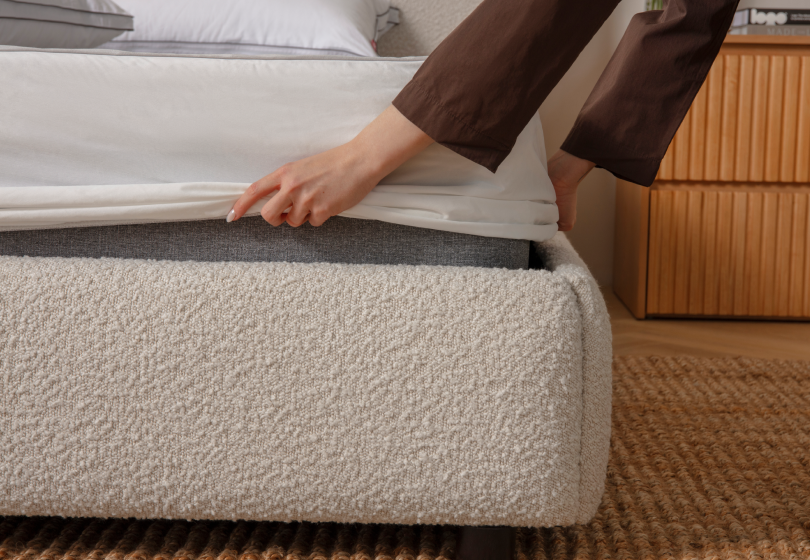
Check Pocket Depth: Ensure the fitted sheet has enough pocket depth to fit your mattress and any cooling toppers you might use. Measure in at least two spots and away from the corners to ensure you have the most accurate measurements.
Look for Trial Periods: Since everyone’s internal thermostat is different, look for companies that offer return or trial policies so you can test the "feel" at home.
Certifications: Look for OEKO-TEX Standard 100 or GOTS certifications to ensure your organic cotton is free from harmful chemicals.
Consider Your Climate: If you live in a humid climate, you should consider linen sheets, as they provide the best airflow and moisture wicking properties.
If You Sweat at Night: For sheets with the best moisture management, you should look for long-staple percale cotton or Tencel.
Introducing: Endy’s Organic Cotton Sheets
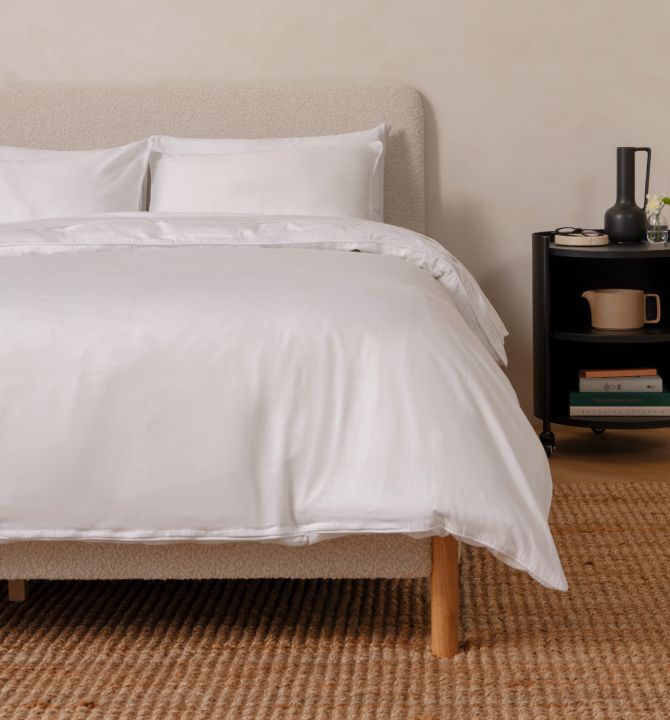
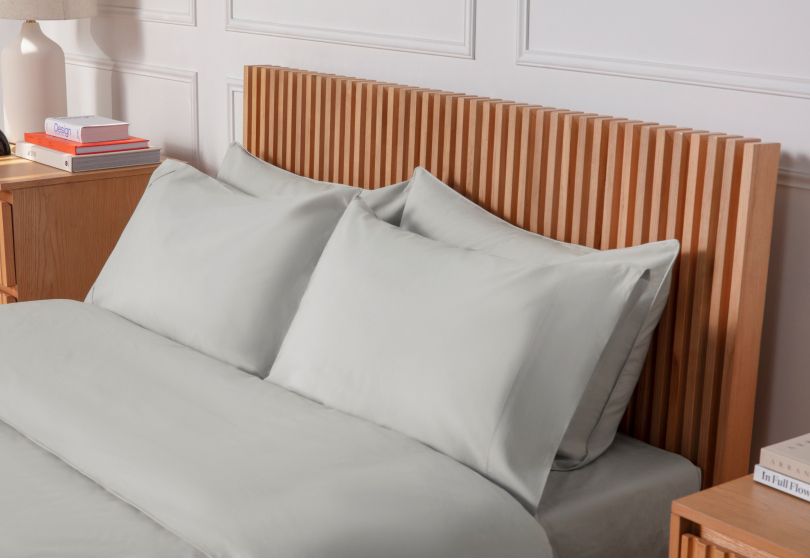
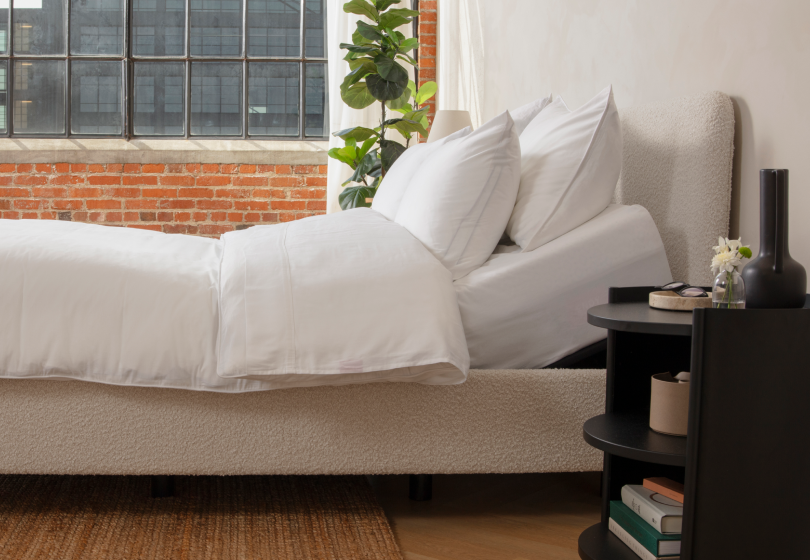
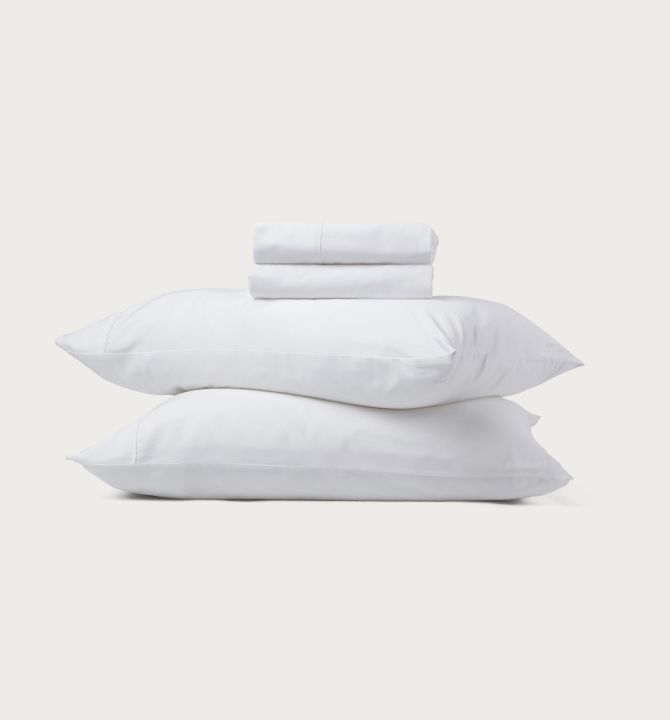
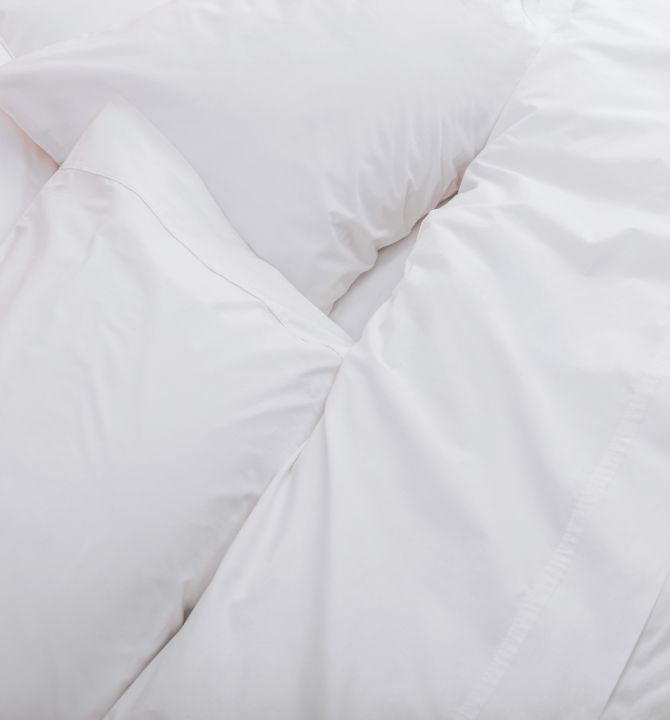
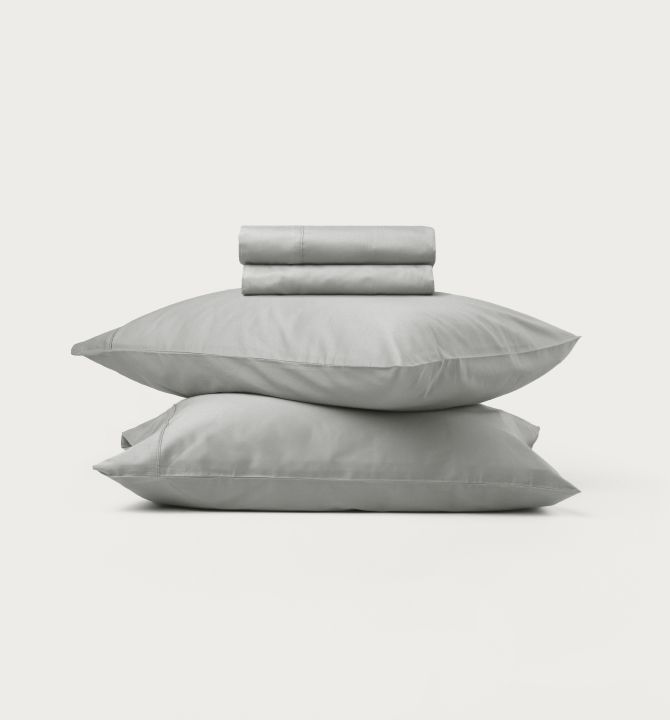
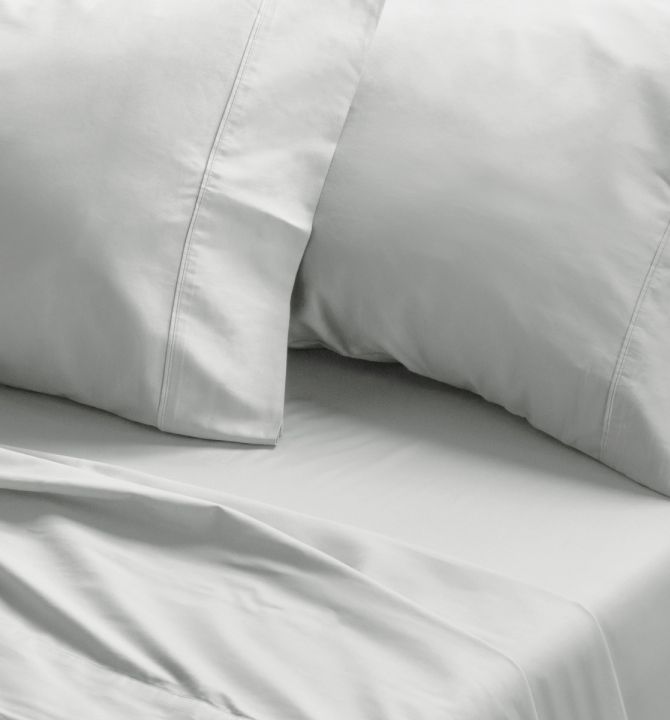
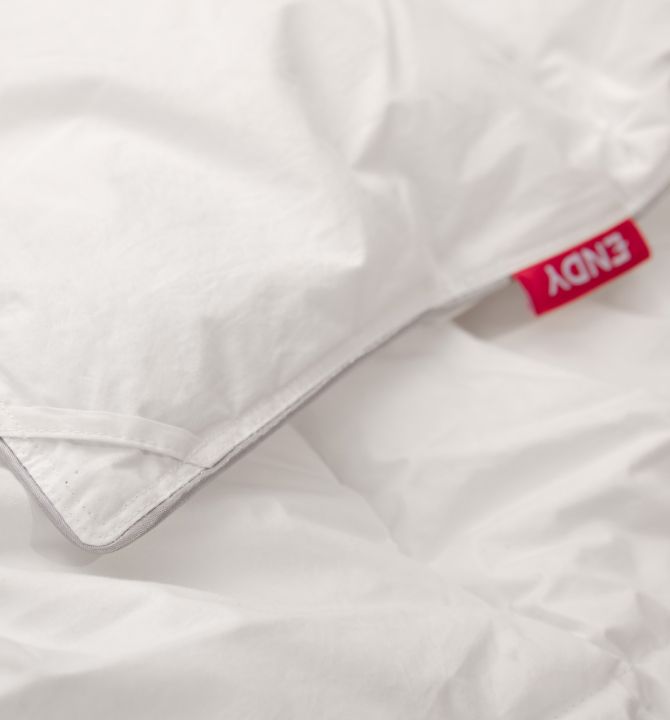
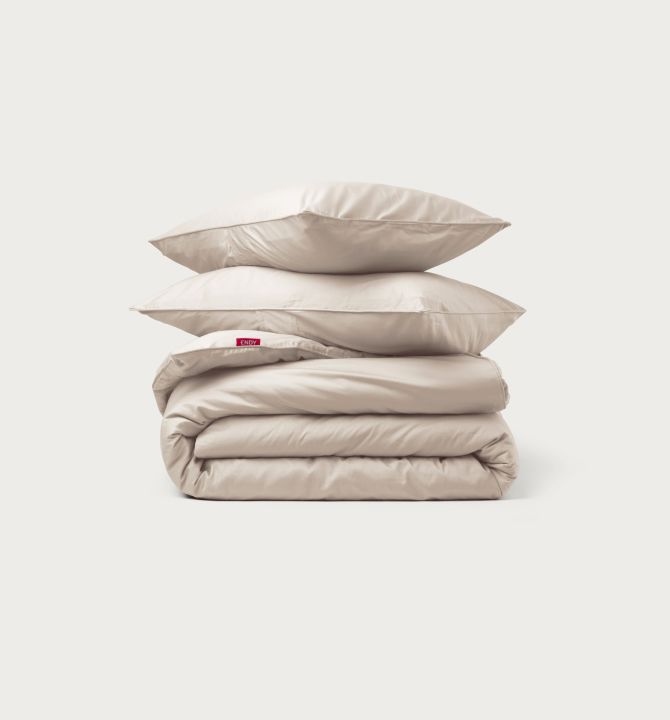
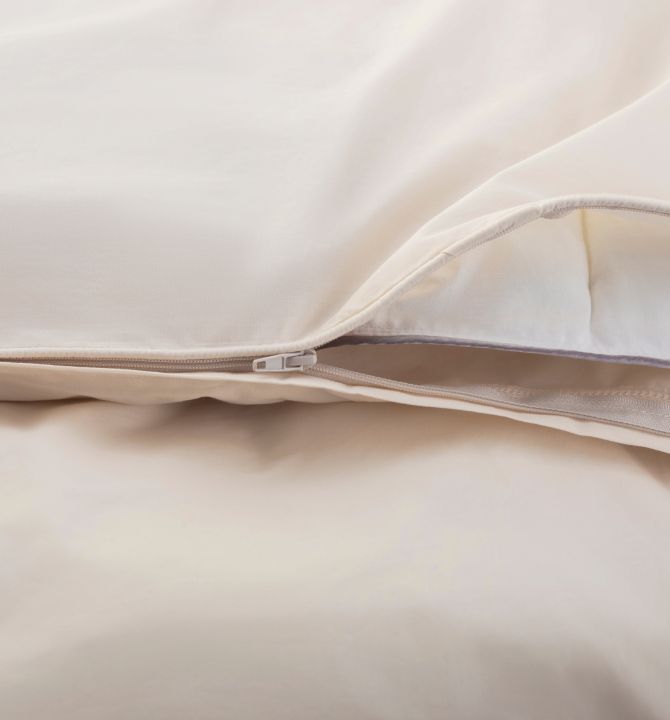
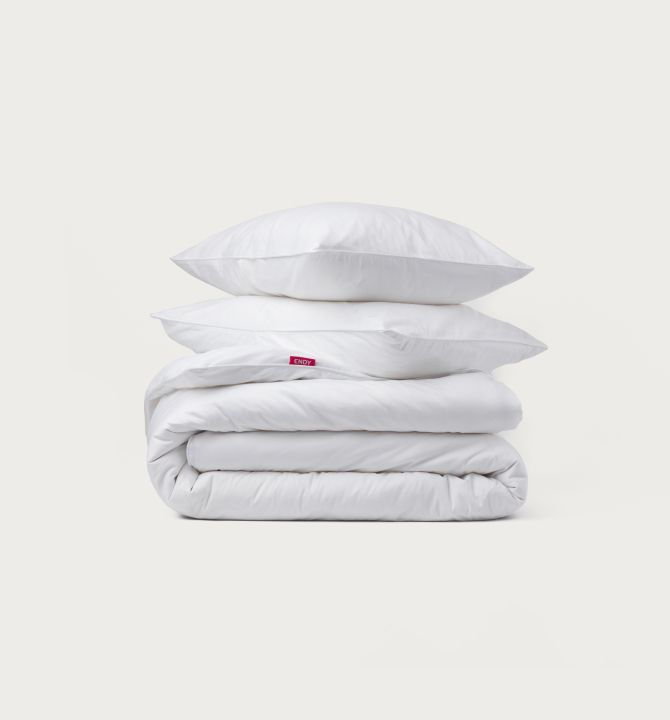
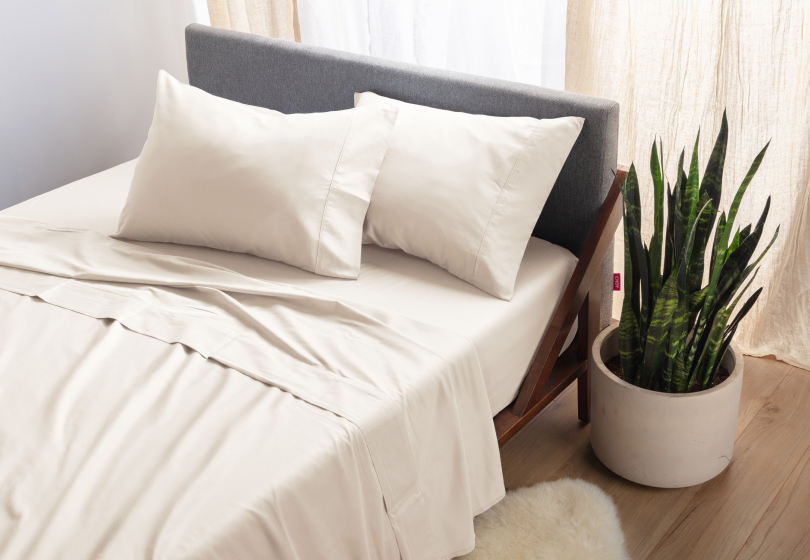
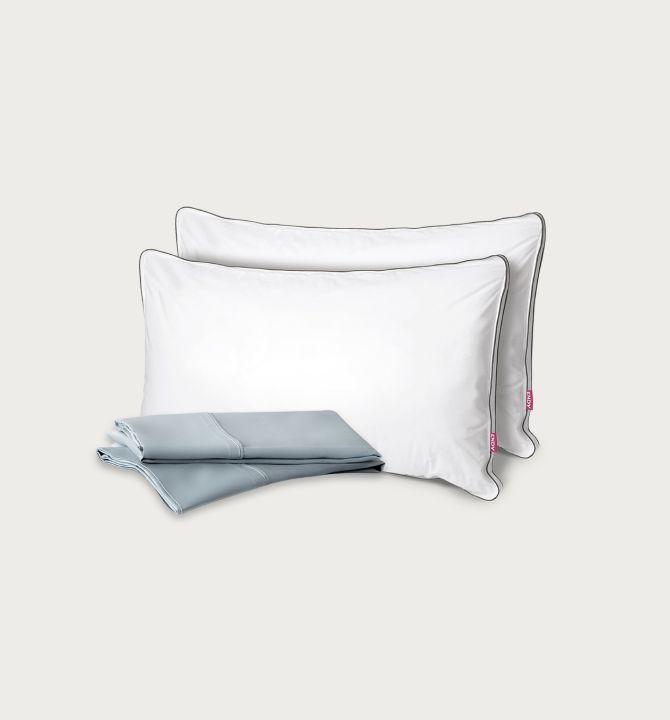
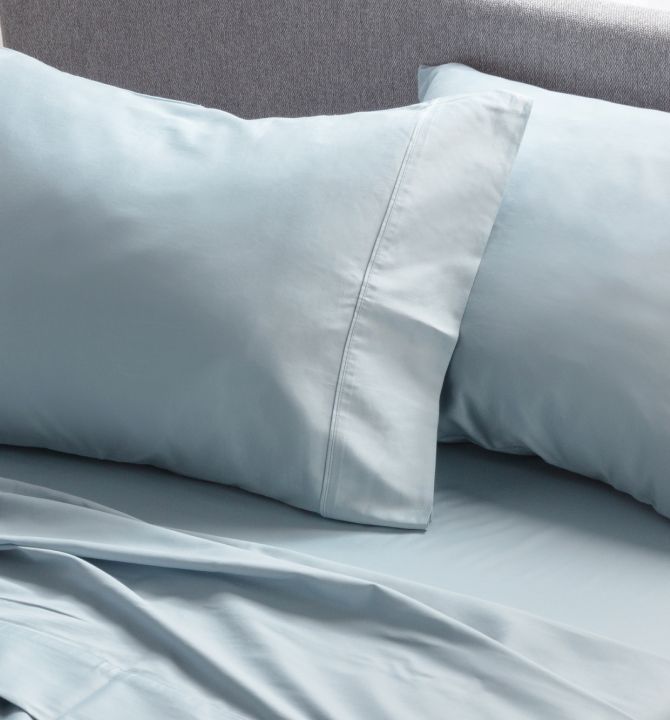
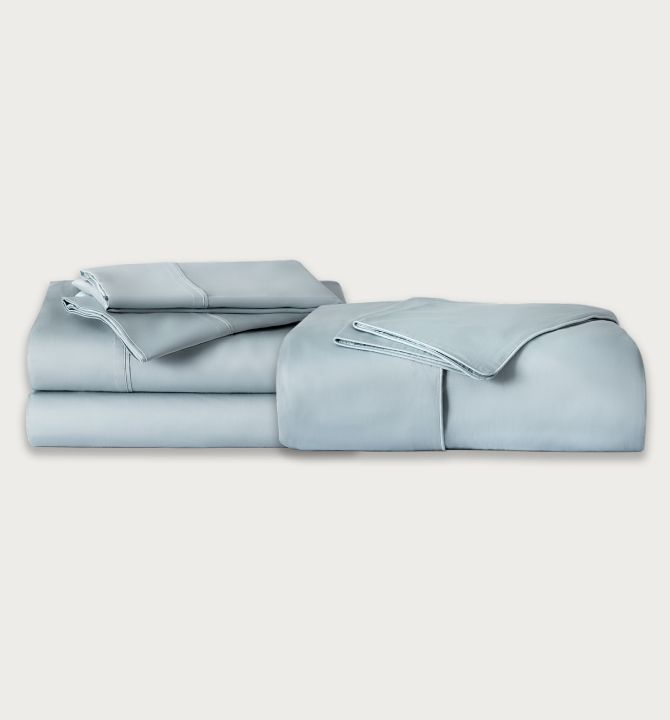
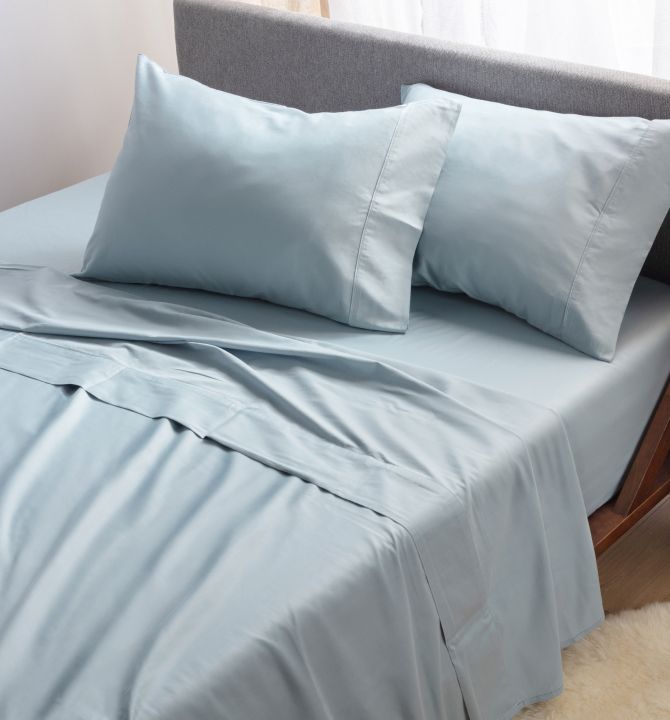
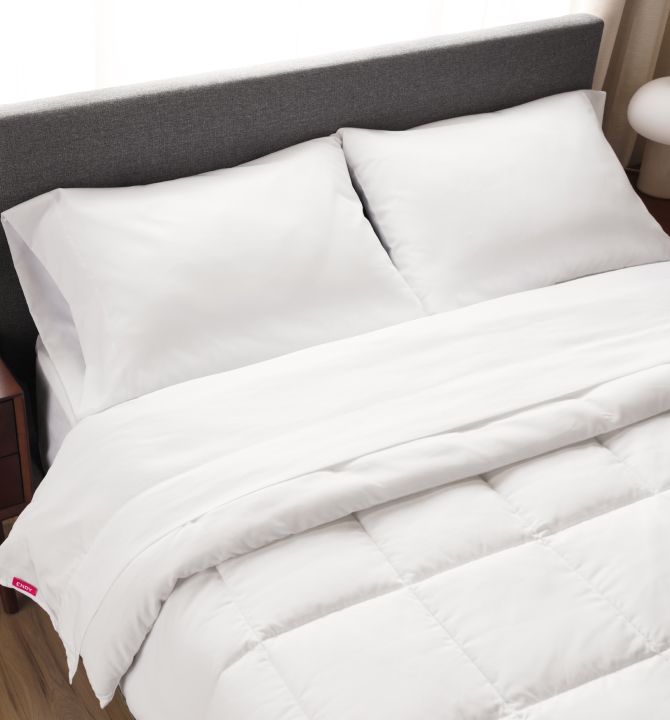
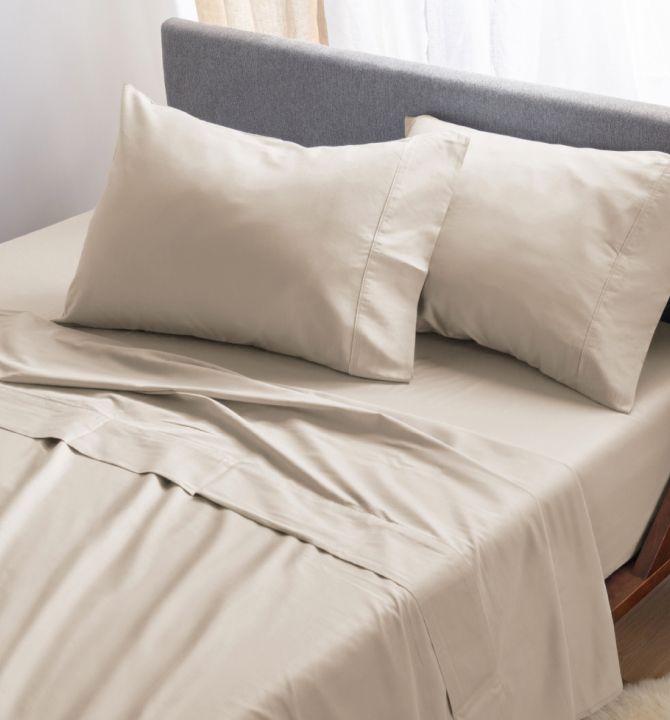
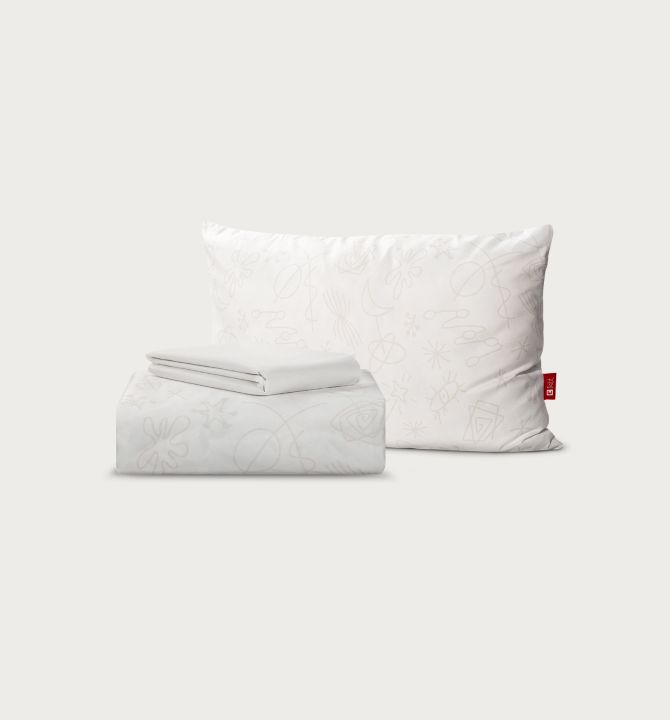
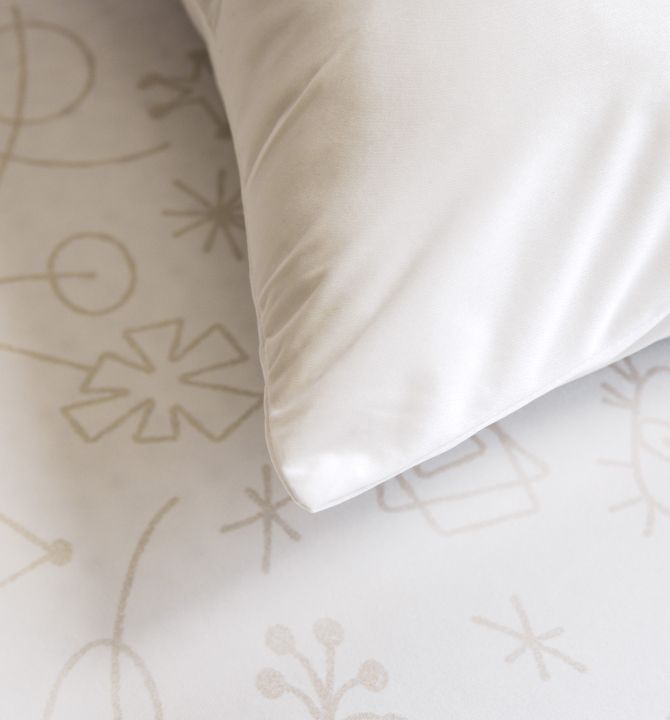
When it comes to the best thread count, fabric, and weave for excellent sleep—we’ve done our research. Endy’s Organic Cotton Sheets are made with 100% organic cotton in a percale weave, offering a 300 thread count that strikes a balance between durability and softness. We recommend percale for those seeking maximum airflow with a breathable, lightweight feel, while our sateen weave is perfect for sleepers who prioritize a silky, smooth-looking finish.Plus, they get softer with every wash and require no special treatment—simply machine wash and you're good to go.
Made with lightweight and airy 100% organic cotton for a cooler night’s sleep. Sleep easy knowing these sheets are naturally hypoallergenic and machine washable!Shop the Endy Organic Cotton Sheets - Percale
FAQs About Bedding for Hot Sleepers
What is the best type of bedding for hot sleepers?If you're a hot sleeper, it's important to choose bedding materials that are breathable to help regulate body temperature. Natural, 100% organic cotton (specifically percale cotton) is a top recommendation because it is breathable and absorbs moisture well. Other excellent options include Linen for airflow and Tencel for moisture-wicking.What thread count sheets are best for hot sleepers?For hot sleepers, a thread count between 200 and 400 is generally recommended. Higher thread counts (above 500) create a denser fabric that can trap heat.What is the best duvet material for hot sleepers?For the coolest duvet, look for lightweight, breathable options:
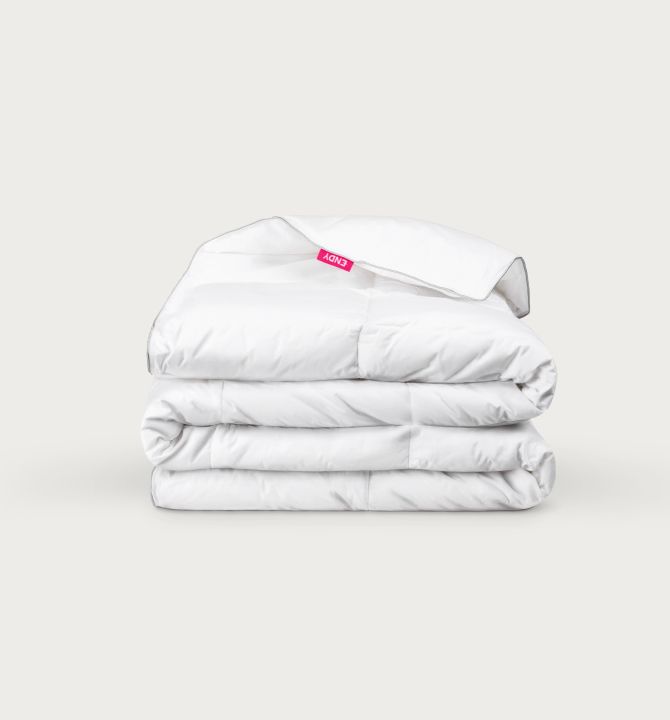
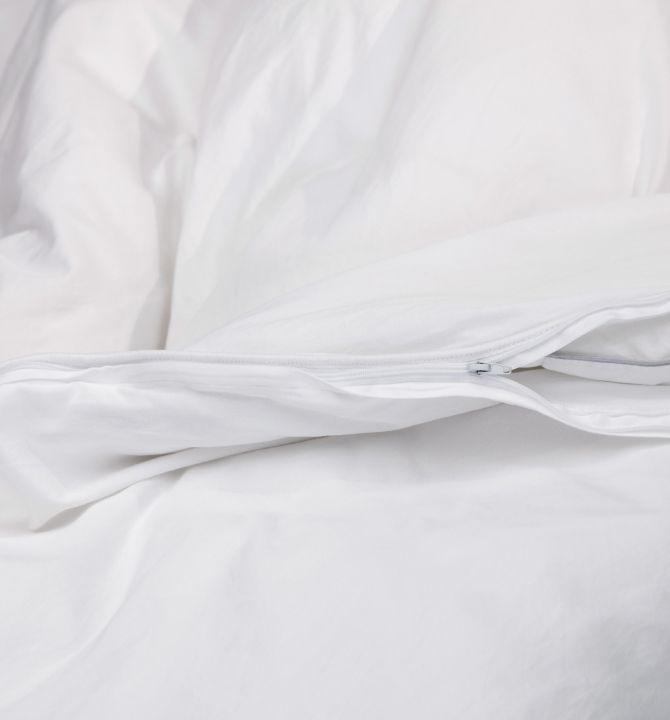
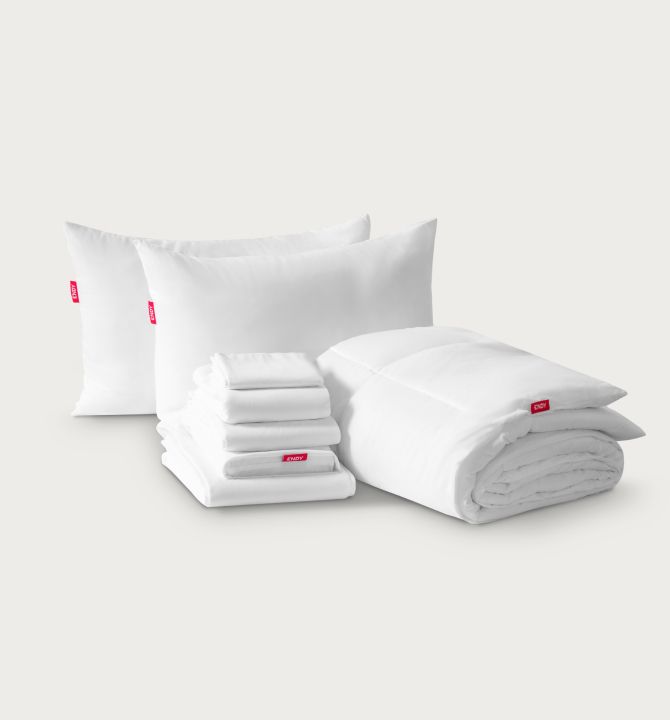
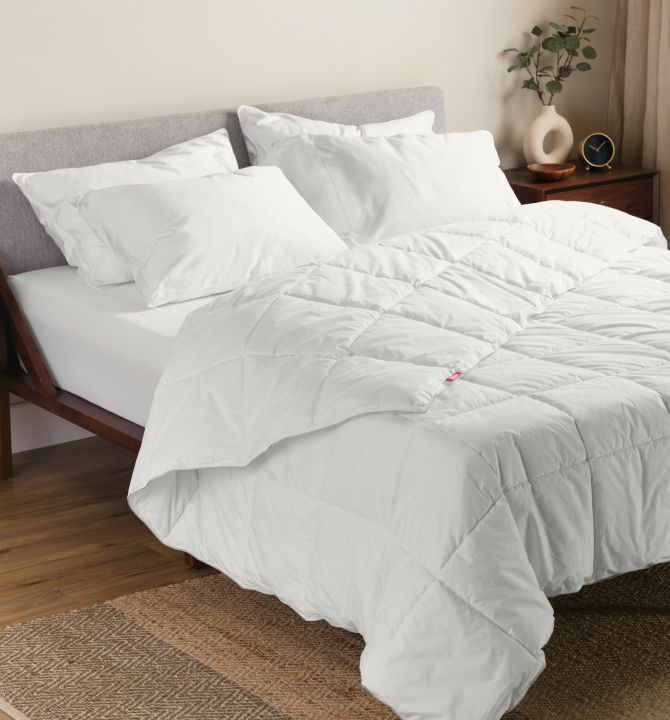
Down Alternative: Materials like polyester or microfiber can be lightweight, though they vary in breathability. The Endy Duvet uses a hypoallergenic down alternative fill with a 100% cotton shell for year-round comfort.
Bamboo & Silk: Both are highly breathable and help with temperature regulation, though they often come at a higher price point and may require specific care.
Tog Rating: Choose a duvet with a lower TOG (Thermal Overall Grade) rating (4.5 to 7) for warmer climates or if you sleep very hot.
Is linen good for hot sleeper sheets?Yes, linen is excellent for hot sleepers due to its hollow fiber structure and moisture-wicking abilities. Note that it does wrinkle more easily and has a "lived-in" look compared to the crispness of cotton.



 Mattresses