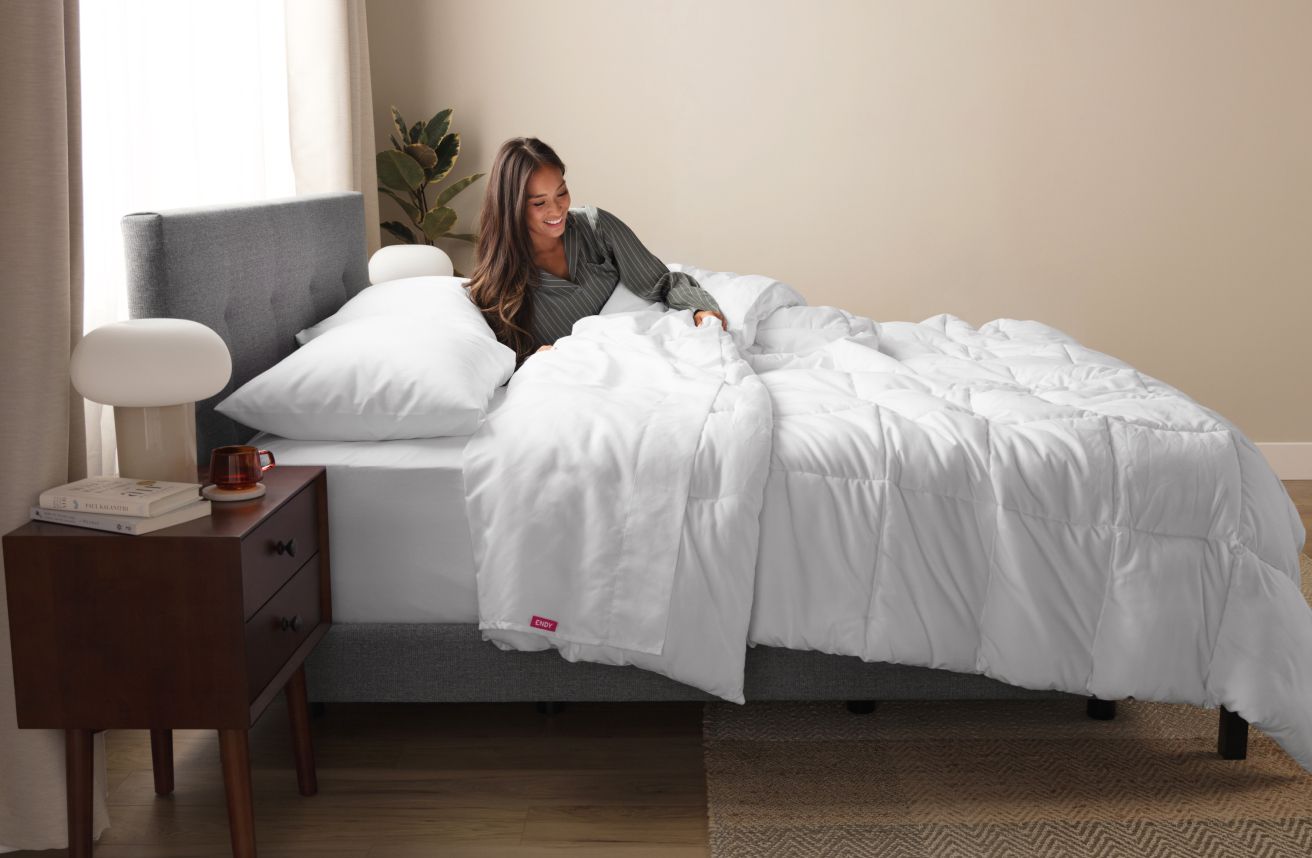
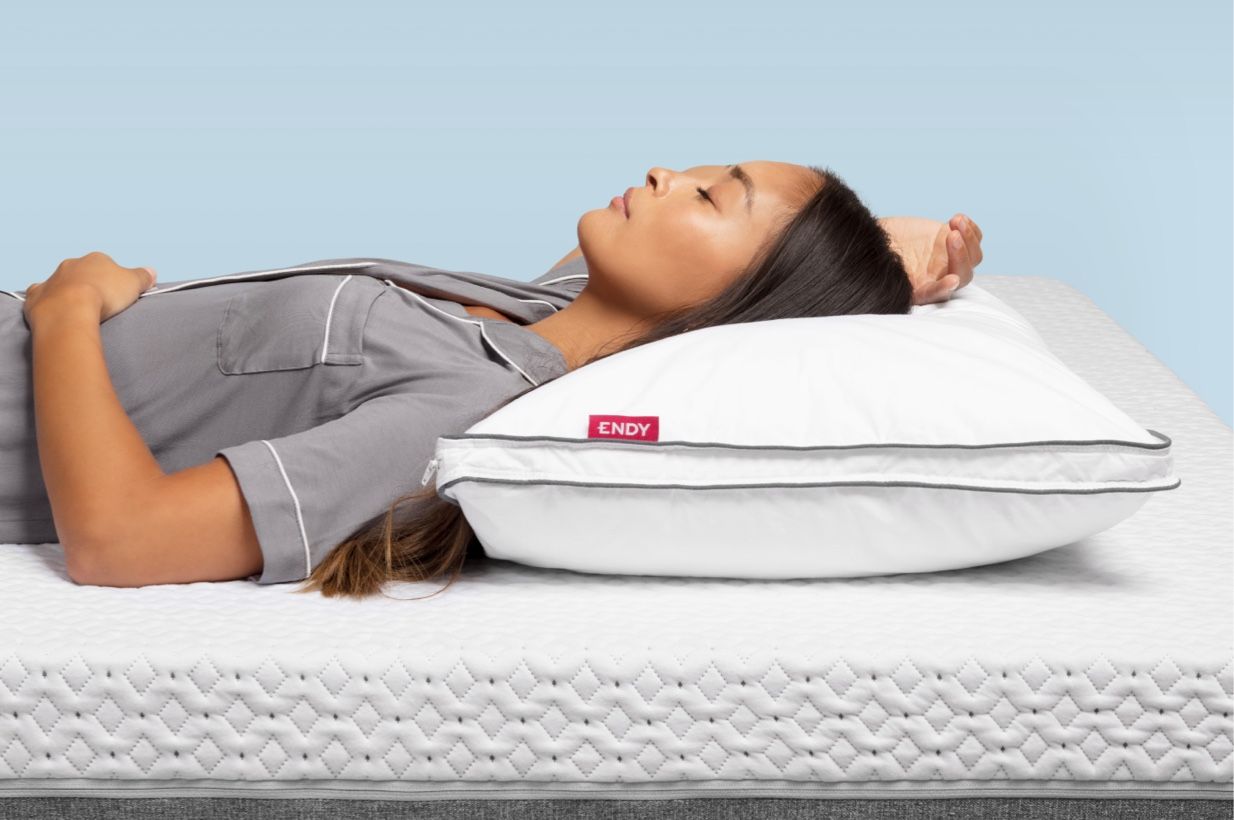
Disclosure: This guide is published by Endy, a Canadian mattress brand. Endy products are featured alongside competitor options for informational purposes. All competitor specifications are sourced from publicly available brand websites. This guide provides general information only — consult a healthcare provider for chronic or severe back pain.There’s no single “best” mattress for back pain in Canada, but research shows medium-firm mattresses (rated 6–7/10 on the firmness scale) improve sleep quality and reduce discomfort for most back pain sufferers because they balance spinal alignment with pressure relief. The top Canadian options include the Endy Hybrid (zoned coil support, 100-night trial), Douglas (365-night trial, eco-conscious foam), Silk & Snow (budget-friendly medium-firm), Octave (customizable firmness), and TEMPUR-Pedic (deep-contouring memory foam). This guide compares their construction, firmness ratings, trial periods, and who each mattress suits best.
‘Back Pain’ Covers a Wide Range of Issues
If you have back pain, you’re not alone: estimates of lifetime prevalence are as high as 84% in the adult population. A supportive mattress won’t cure back pain, but it plays a meaningful role in recovery — helping your body rest and heal rather than compensate for poor support all night.Understanding the cause of your back pain will go a long way to helping you manage it in the long term (with support from your healthcare provider). Here are some of the different kinds of back pain:
Acute back pain occurs suddenly and typically lasts for a short duration. It can result from a specific injury, strain, or sprain, and often resolves on its own with rest, over-the-counter pain medication, and self-care measures.
Chronic back pain refers to persistent or recurring pain that lasts for more than three months. It may result from an initial injury, medical condition, or a combination of these. Chronic back pain can significantly impact daily life and often requires comprehensive treatment.
Mechanical back pain (aka, non-specific back pain) is typically related to the structures of the spine (e.g., muscles, ligaments, and joints). This can be caused by poor posture, muscle imbalances, overuse, or improper lifting techniques.
Radicular pain is caused by irritation or compression of a spinal nerve root. It often radiates along the path of the nerve, resulting in pain, tingling, or numbness in the buttocks, legs, or feet. Conditions such as herniated discs, spinal stenosis, or sciatica can cause radicular pain.
Referred pain occurs when pain experienced in one area of the body is felt in another area. For example, pain originating from internal organs, like the kidneys or pancreas, can be felt in the back.
How to Choose a Mattress for Back Pain in Canada
Before comparing specific mattresses, it’s worth understanding the key factors that determine whether a mattress will help or hinder your back pain. The Sleep Foundation’s mattress firmness guide is a useful reference, but here’s a practical breakdown:
Optimal Firmness
Mattress firmness is rated on a 1–10 scale (1 being the softest, 10 the firmest). A 2003 clinical study on mattress firmness for lower back pain found that medium-firm mattresses outperformed firm mattresses for chronic lower back pain. For most back pain sufferers, a medium-firm rating of 6–7/10 hits the sweet spot: firm enough to support spinal alignment, soft enough to relieve pressure points at the hips and shoulders.Everybody is different, but you should avoid mattresses that are too soft (may cause the hips to sink too deep and the spine to bow out of alignment) or too firm (creates excessive pressure on the hips or shoulders, which can aggravate pain).
Sleep Position
Your sleeping position significantly affects how much support your back needs to maintain spinal alignment:
Side sleepers: Need slightly softer cushioning at the shoulders and hips (aim for 5.5–6/10) to prevent pressure points while keeping the spine level
Back sleepers: Need lumbar support that fills the natural curve of the lower back (aim for 6–7/10)
Stomach sleepers: Need a firmer surface (7/10+) to prevent the hips from sinking and overextending the lumbar spine
Body Weight
Your weight affects how much you compress a mattress, which in turn affects how firm it actually feels to you:
Under 130 lb: A slightly softer mattress (5–6/10) will feel medium-firm; a mattress rated 7/10 may feel too hard
130–230 lb: The standard 6–7/10 medium-firm range applies
Over 230 lb: Prioritize hybrids with pocketed coils (7+/10) for durable core support; all-foam mattresses may compress too much over time
Mattress Types
When shopping for mattresses, you’ll notice that there are three main mattress construction types: all-foam, hybrid and latex. While they each have benefits, they also have trade-offs for back pain relief:
All-foam provides excellent pressure point relief and motion isolation. This is best for side sleepers and lighter-weight individuals, though it can retain heat.
Hybrid (foam + pocketed coils) provides zoned support with firmer coils under the hips and lumbar region, and softer foam at the shoulders. This is generally the most versatile option for back pain across sleep positions and body types.
Latex is naturally responsive and durable, with good pressure relief. It is less common in the Canadian market and typically higher in price.
The best mattresses for back pain provide targeted lumbar support — firmer foam or coils in the lower back area to maintain the spine’s natural curvature. Zoned support systems use firmer materials under your hips and softer cushioning at the shoulders, preventing sagging while relieving pressure points at both ends of the spine.
Motion Isolation
If you share your bed with a partner, consider a mattress with good motion isolation. This feature reduces the transfer of motion from one side of the bed to the other, helping prevent disturbances from your partner’s movements.
Durability
Choose a mattress that is durable and retains its supportive qualities over time. A mattress that quickly sags or loses support can exacerbate back pain. Look for high-quality materials and consider factors like the mattress’s warranty and customer reviews to gauge its durability.
Temperature Regulation
Some individuals with back pain find that heat can exacerbate their symptoms. Look for a mattress with cooling properties, such as breathable materials or pocketed coils, to help maintain a comfortable sleep temperature.
Comparing Canadian Mattresses for Back Pain
1. Endy Hybrid Mattress
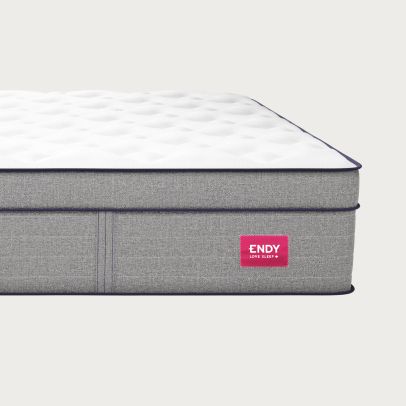
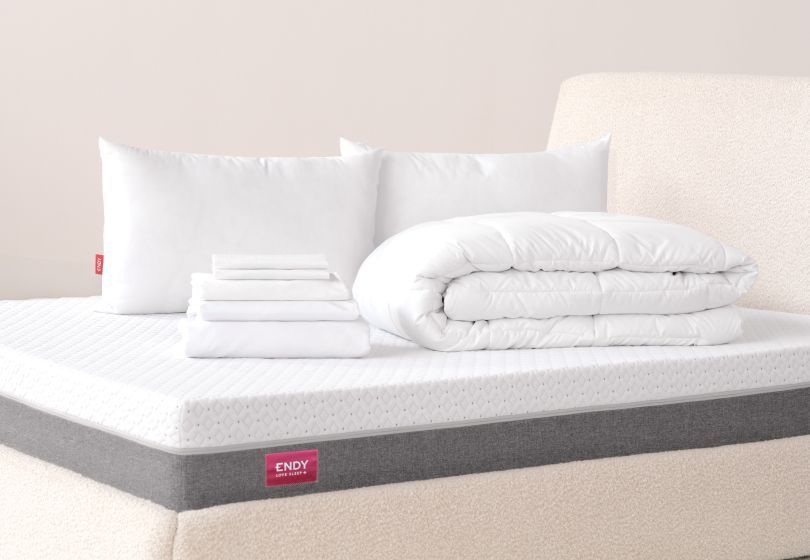
The Endy Hybrid Mattress combines Endy Comfort foam with durable pocketed coils for a construction that excels at both support and pressure relief. Sturdy steel coils provide zoned support — firmer in the lumbar and hip region to maintain spinal alignment — balanced by a plush, quilted top layer that cushions pressure points at the shoulders. At a firmness of 6.5–7/10, it sits in the medium-firm sweet spot recommended for most back pain sufferers.
Type: Hybrid (foam + pocketed coils)
Firmness: 6.5–7/10
Trial: 365 nights
Warranty: 15 years
Made in Canada (Ontario and Quebec facilities), CertiPUR-US certified foams, latex-free
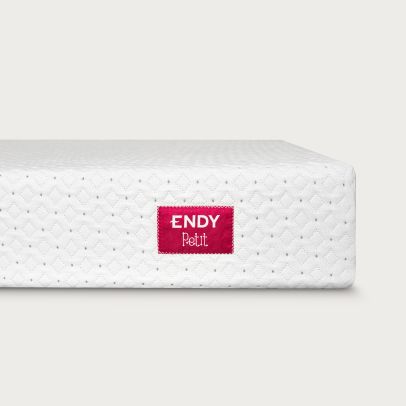
2. Endy Original Mattress
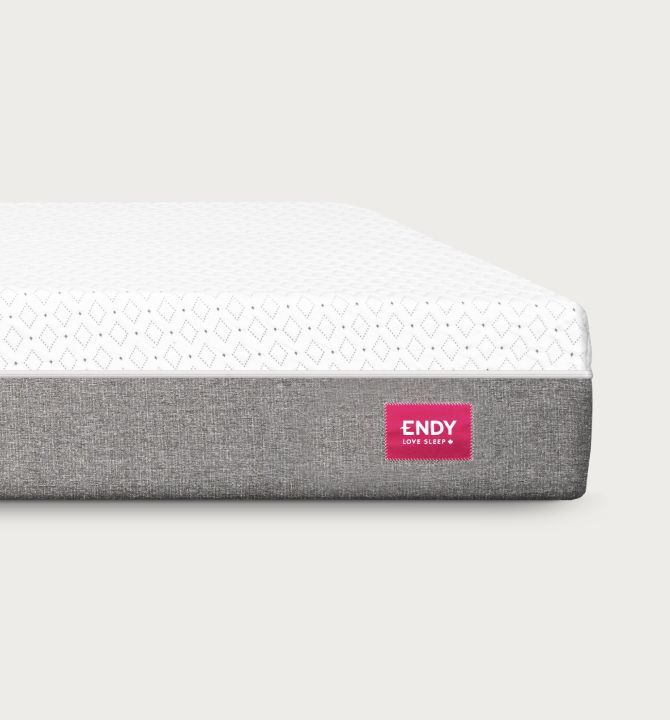
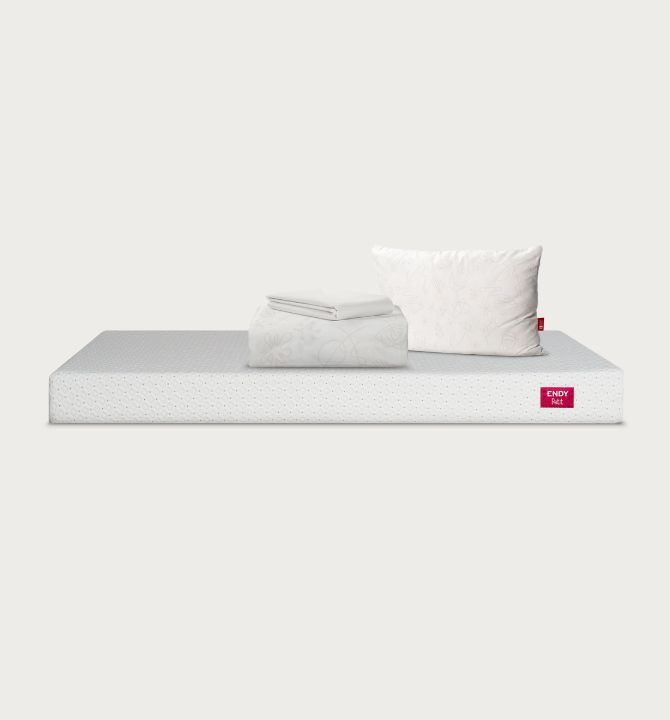
The Endy Original Mattress is a solid all-foam option at a lower price point. Its open-cell foam layers are designed for better airflow and breathability than traditional memory foam, keeping you cooler through the night. At 6–6.5/10, it provides firm enough support for back sleepers and most side sleepers while relieving pressure points at the hips and shoulders. Endy Comfort Foam is temperature-insensitive, meaning it maintains a consistent feel year-round — important in Canada’s variable climate.
Silk & Snow is a Canadian brand offering both all-foam and hybrid options, positioned as a value-focused choice in the medium price range. Their mattresses are rated at approximately 6.5/10 firmness, making them suitable for back sleepers and combination sleepers dealing with lower back pain. The hybrid version adds pocketed coils for additional lumbar support and cooler sleep.
Type: All-foam and Hybrid options available
Firmness: 6.5/10
Trial: 365 nights
Warranty: 15 years
Canadian brand, strong value proposition
4. Douglas
The Douglas mattress is a Canadian-made, all-foam option from GoodMorning.com. At a firmness of approximately 6/10, it sits in the medium-firm range suitable for back and side sleepers. Douglas is notable for its industry-leading 365-night trial — a full year to decide if the mattress works for your back. Its foam layers are designed to balance contouring pressure relief with support for spinal alignment.
Type: All-foam
Firmness: 6/10
Trial: 365 nights
Warranty: 15 years
Canadian-made, eco-conscious materials
5. Octave
Octave is an established Canadian mattress brand whose Comfort+ Kit system allows you to adjust the firmness of your mattress after purchase. Octave offers three firmness options — Soft (4/10), Medium (6/10), and Firm (7/10) — all with all-foam construction. This is particularly useful given that the right firmness varies by sleep position and body weight.
Type: All-foam
Firmness: 4/10 (Soft), 6/10 (Medium), 7/10 (Firm)
Trial: 365 nights
Warranty: 15 years
Comfort+ Kit available for post-purchase firmness adjustment
6. TEMPUR-Pedic
TEMPUR-Pedic is a premium memory foam brand known for deep contouring and pressure relief, available in Canada through retailers such as Sleep Country Canada. TEMPUR Material is engineered to absorb and distribute body weight more precisely than standard memory foam, making it a strong option for those whose back pain is driven by pressure points. Firmness varies significantly by model (from medium to firm), so in-store testing is advisable. TEMPUR-Pedic sits at a higher price point than direct-to-consumer Canadian brands.
Type: Memory foam (TEMPUR Material)
Firmness: Varies by model
Trial: 100 nights (through authorized retailers)
Warranty: 10 years
Available at Sleep Country Canada and other authorized retailers
*Note: Regardless of which mattress you choose, we recommend giving your body 2-4 weeks (30 days minimum) to adapt to a new mattress before judging its comfort level.
Quick Reference Comparison
MattressTypeFirmnessTrialWarrantyPrice Range*Best ForEndy HybridHybrid6.5-7/10365 nights15 years$1095-1695Back/stomach sleepers, all weightsEndy OriginalAll-foam6-6.5/10365 nights15 years$675-1045Side/back sleepers, under 230 lbSilk & SnowAll-foam & Hybrid6.5/10365 nights15 years$600-$1200Budget-conscious shoppersDouglasAll-foam6/10365 nights20 years$599-$1298Back sleepers, warranty priorityOctaveAll-foam4, 6, or 7/10365 nights15 years$699-$1498Unsure of firmness preferenceTEMPUR-PedicMemory foamVaries by model100 nights10 years$1499-$2499Deep pressure relief needs
*Comparing the price of medium-firm mattress models from the aforementioned brands
Note: Trial periods and warranties are subject to change. All competitor data is sourced from each brand’s publicly available website. Always verify current terms on each brand’s website before purchasing.
Give Your New Mattress Time to Work
It’s worth noting that switching to a new mattress — even the right one — requires an adjustment period. Allow 2–4 weeks for your body to adapt before judging whether it’s the right fit. Most Canadian mattress brands require at least 30 days of use before a return or exchange is eligible, so it’s worth giving your body time to settle in before making a decision.
Other Tips for Sleeping With Back Pain
If you’re experiencing back pain and finding it difficult to sleep, here are some general best practices that may help improve your sleep:
Change your Sleep Position
Your normal sleeping position may exacerbate back pain. Generally, sleeping on your back or side with proper pillow support can help relieve pressure on your back. Placing a pillow between or under your knees can promote spinal alignment and reduce strain.
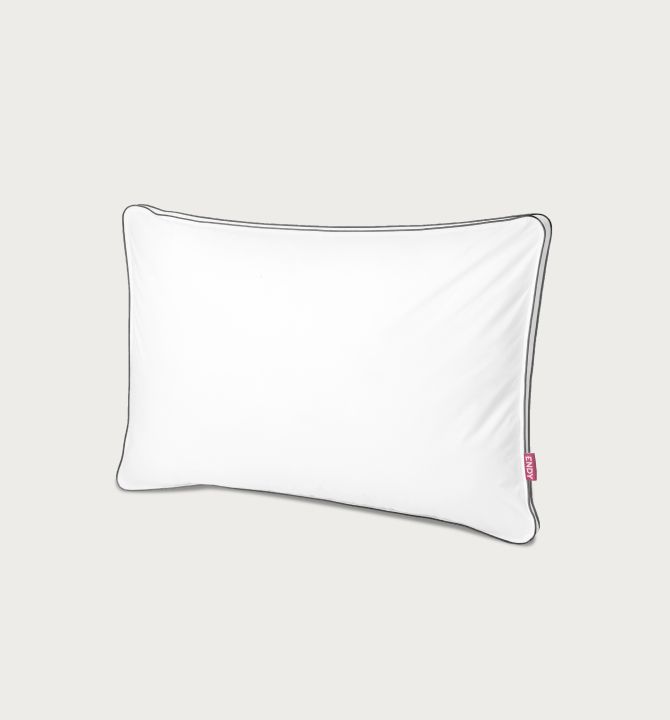
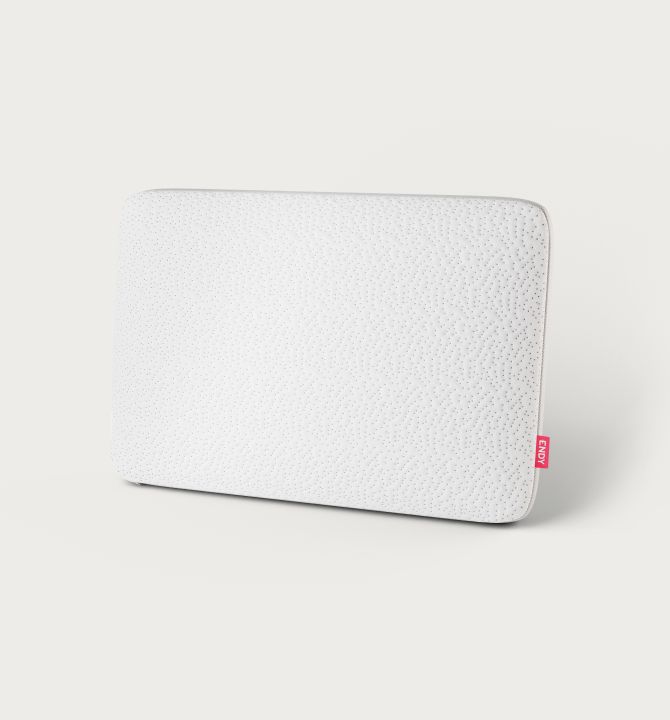
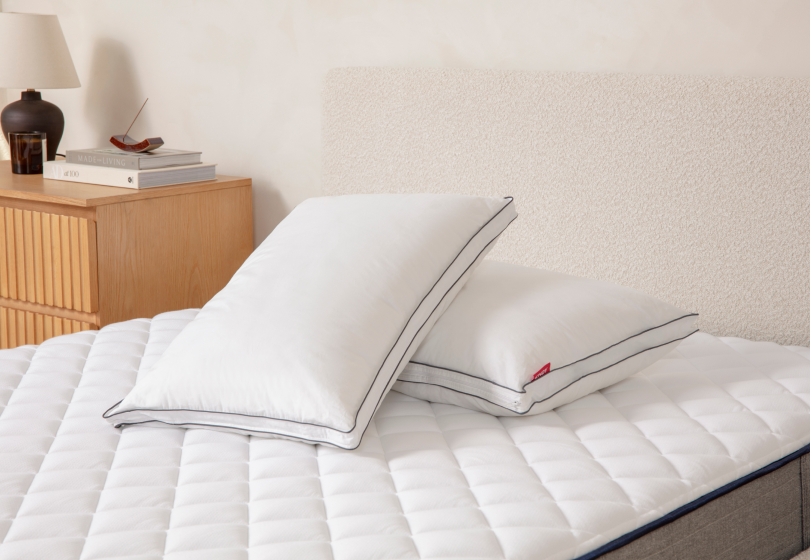
Proper Pillow Support
The right pillow will ensure proper spinal alignment and reduce strain on your back. However, the right pillow height and firmness varies by how you sleep:
Side sleepers need a higher, firmer pillow to fill the gap between the ear and shoulder. A pillow that’s too flat will let the head drop, straining the neck and upper back.
Back sleepers should choose a medium-height pillow to support the natural curve of the neck without pushing the head too far forward.
Stomach sleepers should use a very thin, soft pillow (some stomach sleepers use no pillow at all) to avoid overextending the neck. Placing a pillow under the pelvis can also help reduce lower back strain when sleeping on your stomach.
If you sleep in multiple positions, you may want to try a customizable pillow: this lets you adjust the fill and height of your pillow, taking the guesswork out of finding the perfect pillow for you.
Relaxation Techniques
Engage in relaxation techniques such as deep breathing, meditation, progressive muscle relaxation, or gentle stretching to help relax tense muscles and prepare your body for sleep.
Heat or Cold Therapy
Applying heat or cold therapy (e.g., warm showers, heating pads, or cold packs) before bed can help alleviate pain and relax the back muscles.
Consult with a Healthcare Professional
If your back pain persists or worsens, it’s essential to consult with a healthcare professional or a specialist. They can look into the underlying causes of your back pain, provide personalized advice, recommend specific exercises, or suggest additional treatments tailored to your condition.
Frequently Asked Questions About Sleeping With Back Pain
How firm of a mattress do I need for back pain?The ideal firmness depends on your sleep position and body weight, but for most people a medium-firm mattress rated 6–7/10 works best. This range provides a balance of support and cushioning that promotes proper spinal alignment. A mattress that is too soft may not provide enough lumbar support, leading to poor spinal alignment and increased pain. A 2021 systematic review found that medium-firm mattresses improve sleep quality and back pain outcomes compared to very firm options.Is a firm or soft mattress better for lower back pain?Neither extreme is ideal. A very firm mattress (8–10/10) creates pressure points at the hips and shoulders that can aggravate lower back pain, while a very soft mattress (1–5/10) allows the hips to sink too deeply, pulling the spine out of alignment. Medium-firm (6–7/10) consistently performs best in clinical research on mattress firmness for lower back pain.How do I know if my mattress is causing back pain?Common signs that your mattress may be contributing to your back pain include: waking with pain or stiffness that improves as the day goes on, your mattress being more than 7–8 years old, visible sagging or body impressions in the sleep surface, or noticing you sleep better in other beds (hotels, guest rooms). If you tick two or more of these boxes, it may be time to consider a new mattress. For more information on how to tell if your mattress is causing back pain, read the full blog here.Should I try a mattress topper before replacing my mattress?A mattress topper can be a useful short-term fix if your mattress is structurally sound but slightly too firm — a soft topper can add a layer of pressure relief. However, a topper won’t fix structural sagging or a mattress that’s lost its core support. If your mattress visibly sags or is over 8 years old, a full replacement is likely the better long-term investment for your back.What’s the difference between all-foam and hybrid for back pain?All-foam mattresses offer excellent pressure point relief and motion isolation, making them a great choice for side sleepers and lighter individuals. Hybrid mattresses combine foam comfort layers with a pocketed coil support core, providing firmer, zoned lumbar support and generally sleeping cooler. For back pain, hybrids are often the most versatile choice — especially for back or stomach sleepers, heavier individuals, or those who tend to sleep hot.What kind of mattress is best for back and hip pain?When dealing with both back and hip pain, look for a mattress that provides targeted lumbar support while also cushioning the hip area. A hybrid or high-density foam mattress in the medium-firm range (6–7/10) with good pressure relief at the hips is typically the best combination. A mattress that is too soft may cause your hips to sink too much, leading to misalignment and increased pain in both areas.Are memory foam mattresses good for back pain?Memory foam mattresses contour to the body to offer support and pressure relief, which can be beneficial for back pain. However, traditional memory foam tends to retain body heat, which may be uncomfortable for hot sleepers. It’s also important to choose a memory foam mattress with adequate density — one that’s too soft may not provide enough lumbar support.Can a memory foam mattress cause back pain?If a memory foam mattress is too soft, it may not provide adequate support for some individuals, potentially causing or exacerbating back pain. Additionally, some people with back pain find that heat can aggravate their symptoms, and traditional memory foam is known for retaining heat. Look for a mattress with cooling properties — such as open-cell foam or foams infused with cooling gel — or consider a hybrid for added airflow via the coil layer.



 Mattresses