






March 17, 2026
Shareon social media


Can Your Mattress Cause Back Pain? Here's What's Actually Going On.
By Sabrina Almeida
Disclaimer: This article is for informational purposes only and should not be taken as medical advice. If you're experiencing persistent or severe back pain, please consult a healthcare professional.
Your mattress matters more than most people realize. You spend about a third of your life on it, and if it's not supporting your spine properly, your back is going to let you know. According to the World Health Organization, low back pain is the single leading cause of disability worldwide, affecting an estimated 619 million people globally in 2020. An unsupportive sleep surface is one of the most common contributors, and one of the most overlooked.If your mattress is old, sagging, or just not the right fit for your sleep style, it's worth making a change. And if a new mattress isn't in the cards right now, a few simple adjustments to your sleep position and pillow setup can go a long way in the meantime. This post will cover why your mattress might be causing your back pain, how to know when it's time for a change, and what to look for in a mattress that gives you proper support.Why a Mattress Might Be Causing Your Back Pain
Sleep is your body's main recovery window. While you're sleeping, your spine is supposed to decompress, your muscles relax, and your joints get a break from the grind of daily life. But if your mattress isn't doing its job, none of that happens the way it should.The core issue is spinal alignment. Your spine has a natural curve, and a good mattress keeps that curve supported in a neutral position all night long. According to WebMD, the muscles and ligaments in your back need to relax and recover while you sleep. When a mattress fails at this, whether it's too soft, too firm, or just worn out, your muscles end up working overtime to compensate.Here's how it tends to play out:- Too soft: Your body sinks in unevenly. The heavier middle section (hips and torso) drops below your shoulders and legs, creating a hammock effect. This pulls your spine out of alignment and puts pressure on your lower back discs and muscles.
- Too firm: A surface that doesn't give at all pushes against the natural curves of your body. Your shoulders and hips can't sink in even slightly, which creates pressure points and forces your spine into an unnatural, flattened position.
- Sagging or worn out: Even a mattress that was once perfect can become a problem over time. Foam compresses and support structures break down. A saggy mattress droops exactly where you need support most, usually right under your lower back, and the misalignment that follows is a direct path to chronic pain.
How to Know It's Time to Get a New Mattress

- You wake up with back or hip pain that eases once you're up and moving. This is the classic sign. Mattress-related pain tends to peak in the morning and improve as you get active, because your body recovers from the night.
- You sleep better somewhere else. Woke up pain-free at a hotel or a friend's place? That's your mattress telling you something.
- You're tossing and turning constantly. Tossing and turning disrupts your sleep cycles, leading to fragmented, unrestorative rest that leaves you feeling achy in the morning.
- Your mattress is 7 to 10 years old. Sleep experts consistently recommend this as the replacement window. Even high-quality foam degrades over time and loses its ability to support you properly.
- You can see visible sagging or body impressions. Strip the sheets and take a look. If there's a noticeable dip where you sleep, that dip is pulling your spine out of alignment every single night.
- You feel like you're sinking in or can't get comfortable. If you feel 'swallowed' by your mattress, it's too soft or too worn to do its job.
How to Choose the Best Mattress for Your Back
Searching for a new mattress doesn't have to be complicated. Here's how to actually narrow it down.Start with your sleep position
How you sleep is the single biggest factor in what firmness you need. The Joint Chiropractic and NY Spine both offer useful breakdowns:- Side sleepers: Your hips and shoulders are the widest points of your body and absorb a lot of pressure. You need a mattress with enough give to let those areas sink in slightly while keeping your spine straight. Softer to medium firmness tends to work best. If your mattress is too firm, you'll wake up with shoulder or hip pain.
- Back sleepers: You need a mattress that supports your lower back without letting your hips sink too far. Medium-firm is the sweet spot, as it keeps the spine's natural S-curve supported without creating pressure points.
- Stomach sleepers: This is the toughest position for your back. Your midsection tends to sag, which arches the lower spine. A firmer surface helps prevent that. (If you can train yourself to sleep on your side instead, your back will thank you.)
- Combo sleepers: If you move around a lot, look for something responsive, a mattress that adapts quickly as you change positions rather than holding you in place.
Factor in your body type
Body weight matters more than people realize because it affects how much you compress a mattress, which in turn affects how firm it actually feels to you. Sleep Foundation's firmness guide explains:- Heavier sleepers (over 230lbs) generally need a firmer mattress to prevent excessive sinkage (look for a mattress that is a 7+/10 on a 10 point firmness scale).
- Lighter sleepers (under 130lbs) often find firmer mattresses too hard and benefit from something with more cushion and contouring (a mattress rated 5-6/10).
- If your hips are wider than your waist, a slightly softer surface helps your spine stay straight. If your hips and waist are more aligned, medium-firm provides the right pushback.
Think about mattress type
Foam mattresses contour to your body and do a great job of pressure relief, ideal for side sleepers and those with hip or shoulder pain. Hybrid mattresses combine foam layers with individually wrapped coils, giving you both pressure relief and bounce-back support.Hybrids are the best overall choice for back pain because the coil system provides targeted spinal support while the foam cushions pressure points. If you share a bed, look for motion isolation too, as pocket coils and transition foam layers prevent you from feeling every time your partner rolls over.Endy Mattresses for Back Pain

Endy Mattress: The all-foam pick
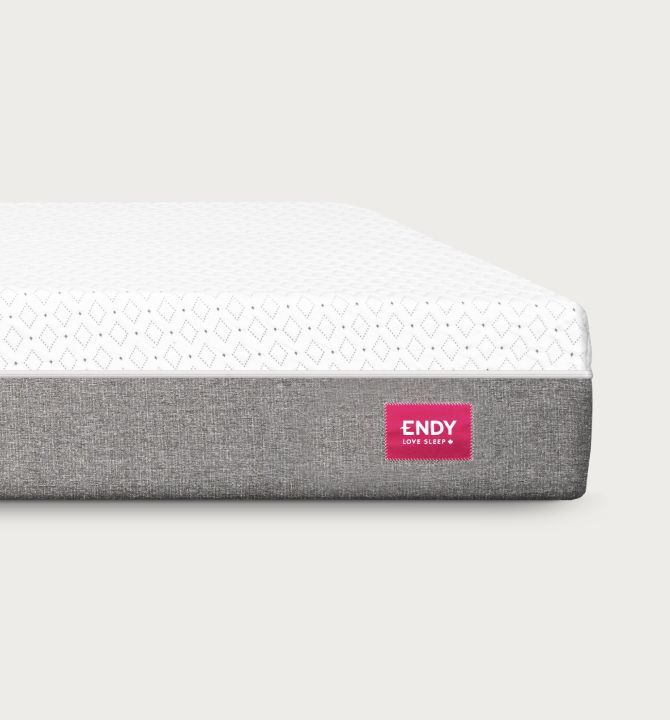
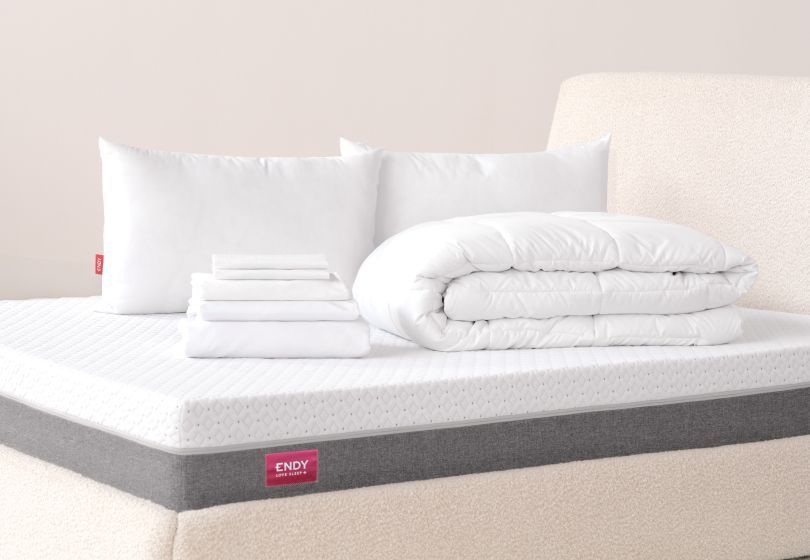
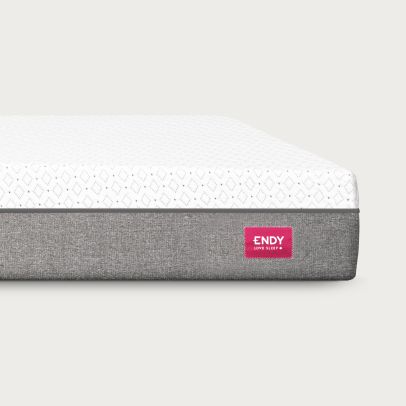
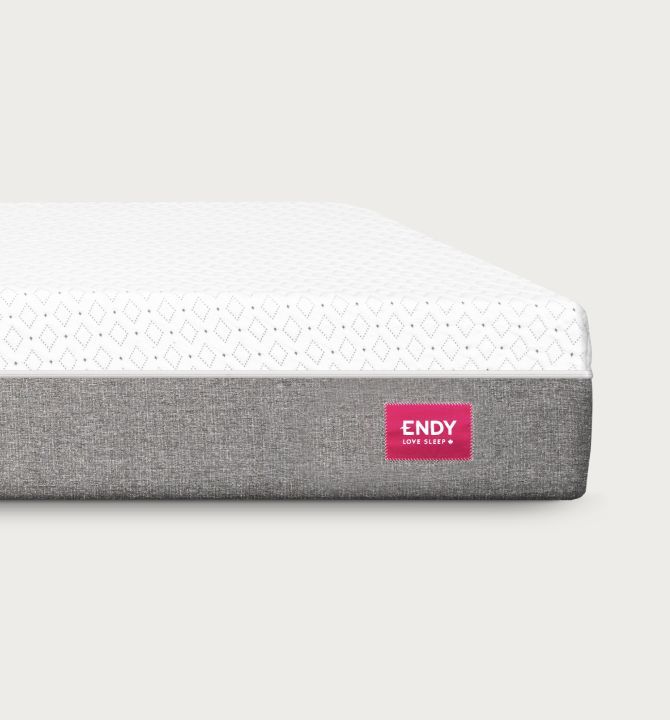
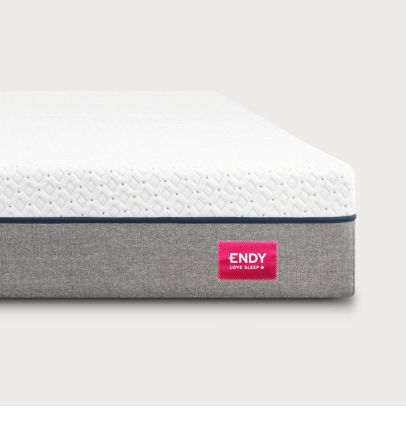
The Endy Mattress is an all-foam mattress built for pressure relief and spinal support. Its Endy Cooling Comfort Foam top layer contours gently to your body and cradles joints and muscles, while the Pressure-Relief Foam transition layer distributes weight evenly to ease tension in the lower back, hips, and shoulders. The high-density support foam base keeps the structure firm and stable, and most importantly, it doesn't sag.It comes in three firmness options:- Medium-Firm (10"): The most versatile option, with balanced support and gentle contouring for all sleep positions. Great for couples with different sleep styles.
- Firm (9"): More support foam and less comfort foam, designed for back and stomach sleepers who need a sturdy, lifted surface to keep their spine aligned.
- Plush (11"): Deeper cushioning with a cloud-like feel, best for side sleepers, lighter individuals, or anyone who prefers a softer, more enveloping surface.
Endy Hybrid Mattress: The back pain pick
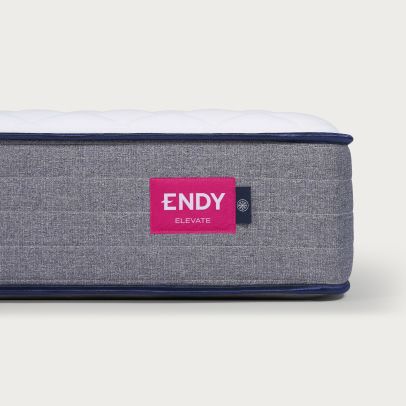
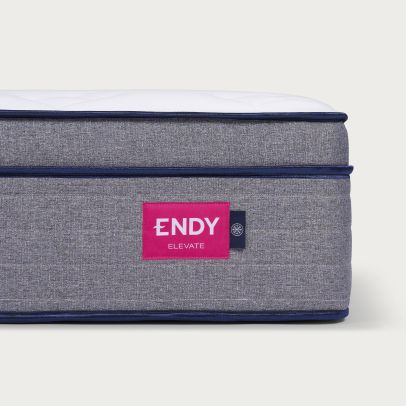
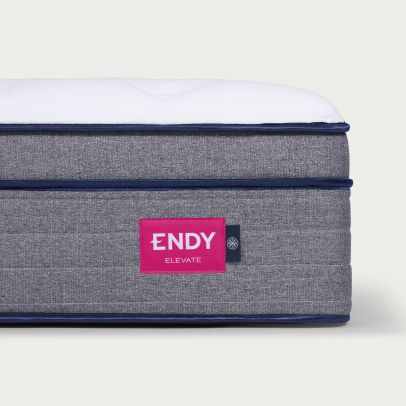
If back pain is your primary concern, the Endy Hybrid is where we'd point you first. It features 7" individually wrapped high-carbon steel pocket coils that provide zoned support: firmer under the lower back where you need it most, and softer under the shoulders and hips to ease pressure. This ergonomic lumbar zoning is a genuine standout for back sleepers and anyone dealing with persistent lower back issues.The Hybrid comes in Medium-Firm (12"), Firm (11"), and Plush (13") options, so you're not locked into one feel.Both Endy mattresses are CertiPUR-US® certified, independently tested for content, emissions, and durability. Both are proudly made in Canada and backed by a 15-year limited warranty. And both are covered by Endy's 365-Night Trial: that's a full year to decide if it's actually working for your back. If it's not, Endy comes to pick it up. No awkward return shipping, no hoops to jump through.For a full breakdown of mattress options for back pain that are available in Canada, check out our back pain mattress guide here.Tricks for Back Pain Relief Without Buying a New Mattress

Fix your sleep position
According to the Mayo Clinic, small pillow adjustments can make a real difference:- Side sleepers: Place a pillow between your knees. This keeps your hips, pelvis, and spine in better alignment and prevents your upper leg from pulling the spine out of position overnight.
- Back sleepers: Put a pillow under your knees to maintain the natural curve of your lower back. The New York-Presbyterian health team also recommends placing a small rolled towel under your waist if there's a gap between your lower back and the mattress.
- Stomach sleepers: Place a thin pillow under your pelvis and lower abdomen to reduce pressure on your back. Better yet, try retraining yourself to sleep on your side.
Try a mattress topper
If your mattress is too firm, a memory foam topper can add a layer of cushioning that softens pressure points without replacing the whole mattress. If it's too soft, a firmer topper can provide better support underlay. This is a significantly cheaper fix than buying a new mattress and works well as a bridge solution.Rotate your mattress
Rotating your mattress 180 degrees can redistribute wear and even out body impressions. The Sleep Foundation recommends rotating your mattress every three months to prevent uneven wear from forming in the first place. It won't fix a fundamentally worn-out mattress, but it can extend its comfort life.Check your foundation
A great mattress sitting on a broken or slatted bed frame (with gaps larger than 3 inches) won't perform the way it should. Make sure your foundation is solid and provides full, even support across the bottom surface of your mattress. This is actually a warranty requirement for most mattresses, including Endy's.Add a lumbar support pillow
If you're a back or side sleeper, a lumbar support pillow, or even a rolled-up towel, placed under the arch of your lower back can fill the gap between your body and the mattress. According to Henry Ford Health, this small addition can take meaningful pressure off your spine overnight.Back Pain Prevention and Education
While it’s not always possible to prevent low back pain (especially as you naturally age) there are steps you can take to reduce your risk and keep your back healthy. Regular exercise, such as walking, swimming, or specific exercises designed to strengthen your back and abdominal muscles, can make a big difference. Maintaining a healthy weight helps reduce the strain on your spine and muscles, while quitting smoking can improve blood flow and support healing.Learning proper lifting techniques and practicing good posture throughout the day can also help protect your spine. If you’re unsure where to start, a physical therapist can provide personalized advice and exercises to keep your muscles strong.Medical Disclaimer
This blog post is intended for general informational purposes only and does not constitute medical advice. If you're experiencing chronic, severe, or worsening back pain, please consult a qualified healthcare professional to rule out underlying conditions.Shareon social media

