

 Mattresses
February 2, 2026
Shareon social media


What Is Sleep Divorce? Try These 5 Solutions Before You Break Up With Your Bed
By Bénédicte Pelletier
As more Canadians connect sleep to mental health, relationship satisfaction, and overall well-being, couples everywhere are rethinking their nighttime routines. From booking twin beds while travelling to eyeing that extra bedroom at home, many are prioritizing sleep quality over tradition.“Sleep divorce” — also known as couples sleeping separately — refers to the growing trend of partners choosing to sleep in different beds, bedrooms, or on different schedules due to incompatible sleep habits. This can include disruptions caused by snoring, overheating, tossing and turning, mismatched bedtimes, or differing mattress comfort preferences. Rather than signalling relationship trouble, sleep divorce is increasingly viewed as a practical way to protect individual rest, reduce sleep disruptions, and improve mood, health, and connection during waking hours.But before couples part beds, it’s worth asking: Do you really need separate rooms or just better sleep solutions?A recent Endy study* found that:
- 17% of coupled Canadians currently sleep separately due to sleep-related issues
- 38% have considered sleep separation at some point
- Nearly 1 in 3 Canadians say incompatible sleep habits have negatively impacted a relationship
- 84% believe sleep compatibility is important in a long-term partner
The Most Common Causes of Sleep Divorce
Below are the most common reasons couples consider sleep divorce, and how to solve them while still sharing a bed.1. One Partner Runs Hot, The Other Doesn’t.
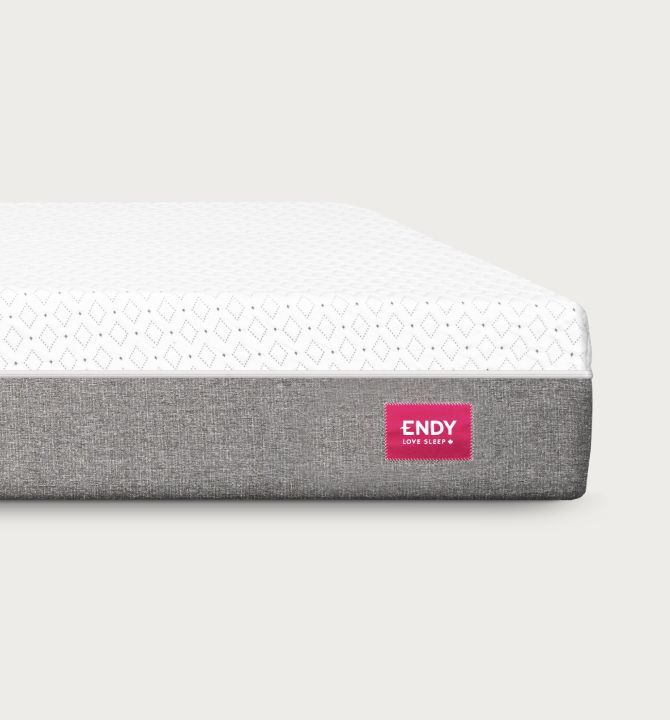
Sharing body heat can make sleep uncomfortable fast. Temperature differences are one of the biggest sources of sleep frustration between partners. In fact, according to the same study conducted by Endy* 20% of Canadians reported temperature preferences contributing to partner-related sleep disruption.The Endy Mattress and Endy Hybrid Mattress feature a cooling gel-infused top layer designed to regulate temperature and reduce heat buildup between partners. Endy’s Open Cell Foam improves airflow, helping both sleepers stay comfortable — even if one runs warmer.2. Differing Sleep Positions & Comfort Needs
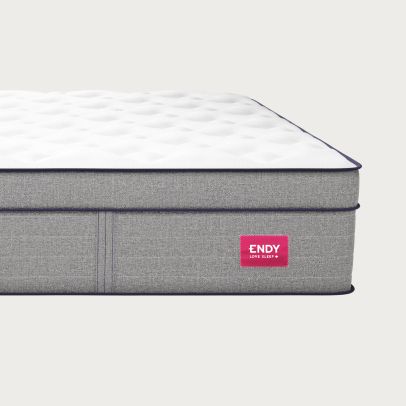
Side sleeper meets stomach sleeper. One wants plush, the other needs support. When partners have different sleep positions and firmness preferences, sharing a mattress can quickly become uncomfortable. Over time, this mismatch can lead to restless nights, sore mornings, and even conversations about sleeping separately.Endy’s proprietary Comfort Foam is designed to support all sleep positions, helping reduce pressure points and minimize tossing and turning. The Endy Hybrid Mattress also features zoned coils that provide targeted lumbar support, meaning both partners get the alignment they need — without compromise.3. Movement & Lifestyle Issues
When one partner moves, the other wakes. For light sleepers, this can seriously impact sleep quality and how rested they feel the next day. In fact, in the same study conducted by Endy*, Canadians cited nighttime movement (25%) and differing sleep schedules (23%) as leading causes of partner-related sleep disruption.Endy’s Transition Foam reduces motion transfer so movement doesn’t ripple across the bed. This allows one partner to read or wind down while the other sleeps, and partners can adjust their position without disturbing the other if they have different bedtimes. The Hybrid Mattress’ individually wrapped pocket coils add even more isolation, helping both sleepers stay undisturbed.4. The Snoring Situation
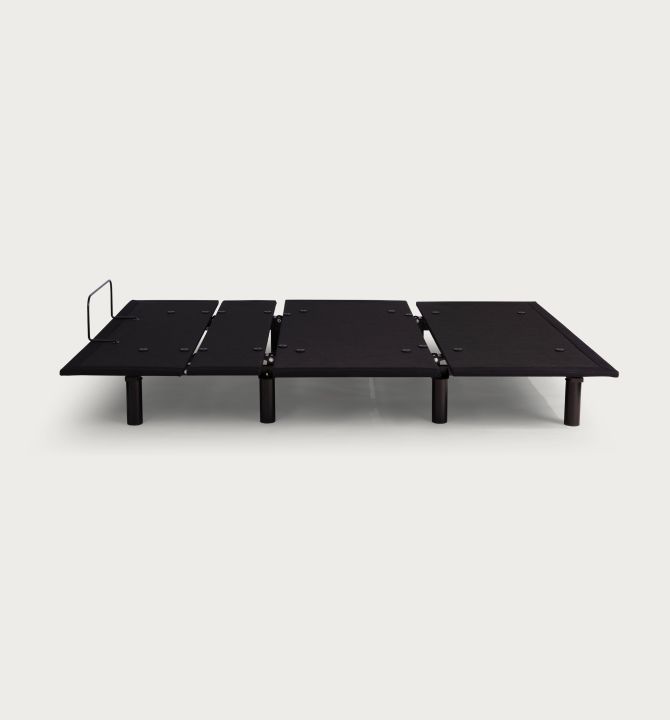
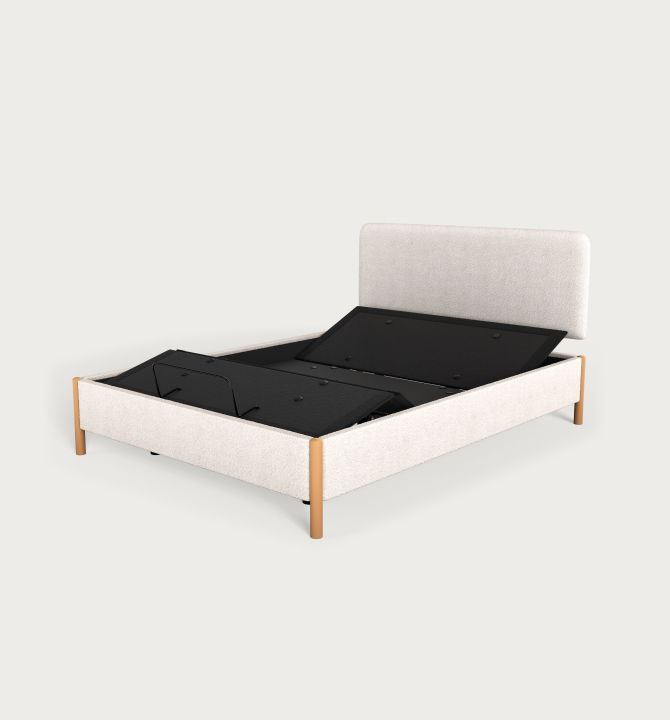
Snoring is one of the most common reasons couples struggle to share a bed. According to Endy’s research*, 42% of Canadians cite snoring as their biggest partner-related sleep issue, making it the leading cause of partner sleep disruption. For those sleeping beside someone who snores, it can feel like an impossible problem to solve, often leading to restless nights and conversations about sleeping apart.Endy’s supportive foam combination promotes proper spinal alignment, which may help reduce posture-related snoring. For added support, Endy Adjustable Bases allow head elevation — improving airflow and helping reduce snoring disruptions.5. The Blanket Thief & Bed Hog
We’ve all heard of the blanket thief — when one partner slowly takes over the bed, leaving the other clinging to the edge (and the covers). Over time, this nightly shuffle can lead to disrupted sleep and frustration that makes sharing a bed feel less restful than it should.The Endy Hybrid Mattress has enhanced edge support and full perimeter firmness make the entire mattress surface usable — so no one feels pushed to the edge.So, should you try sleep divorce?
Sleep divorce doesn’t always mean couples need separate bedrooms. Often, the answer is better sleep compatibility, improved sleep quality, and the right mattress for couples with different sleep needs. From motion isolation and temperature regulation to pressure relief and adjustable sleep positions, small changes to your sleep setup can help reduce partner sleep disruptions and create a more comfortable shared bed. Before deciding to sleep apart, optimizing your sleep environment can support deeper rest, better relationship health, and more restorative sleep for both partners.If you’re unsure of which type of sleeper you may be compatible with based on your own sleep habits and needs, take Endy’s compatibility quiz to find out, and explore more sleep solutions to support healthier, more restful nights together.*These findings are from a survey conducted by Endy from January 16th to January 18th, 2026, among a representative sample of online Canadians respondents 18 years of age or older who were randomly recruited using LEO’s online panel. The survey was conducted in English and French.
Shareon social media

