














May 8, 2026
Shareon social media


More Than Power: Laeticia Amihere’s System for Success
By Jordyn Weinberg
Ahead of the Curve
Before the spotlight, before the viral clips and highlight reels, there was a teenager in Mississauga, Canada doing something that simply didn’t happen. Laeticia Amihere wasn’t just dominating her level, she was redefining it. At 15, she became the youngest player to dunk in a professional game—a moment that travelled far beyond the gym where it happened and quietly reset expectations for what a Canadian forward could be. Long before her collegiate rise with the South Carolina Gamecocks—where she became a national champion—and her transition into the WNBA with the Golden State Valkyries, Amihere’s trajectory had already taken shape: explosive, disciplined, and unmistakably her own.In high school I went through some knee injuries and it was because I was just not valuing my time as an athlete or my time as a person. I was putting so much into the sport where I wasn’t focusing on other things like nutrition, stretching, prep work before practice. So I was just not focused on what it really takes to be an athlete. And sometimes it was just taking a rest. Sometimes that’s doing things that are outside of basketball. So I think very early on I learned that pushing hard isn’t always the best thing to get the best results.
A System, Not a Moment
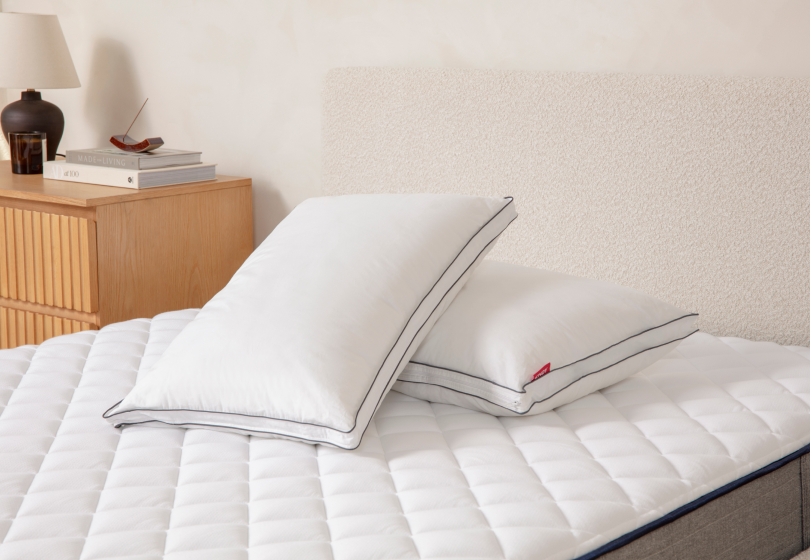
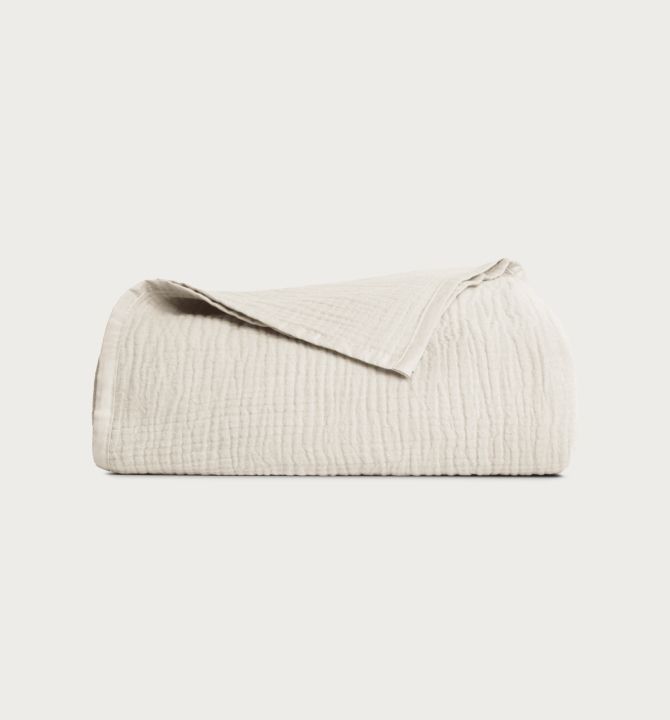
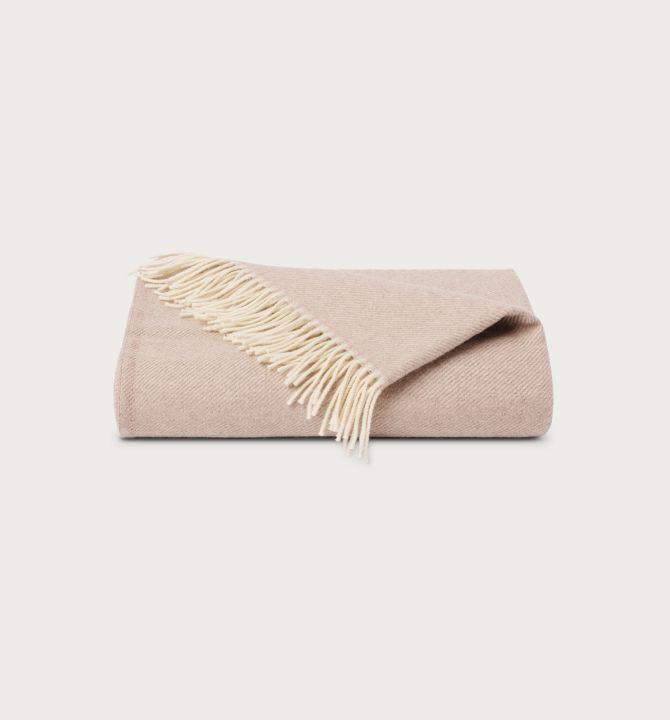
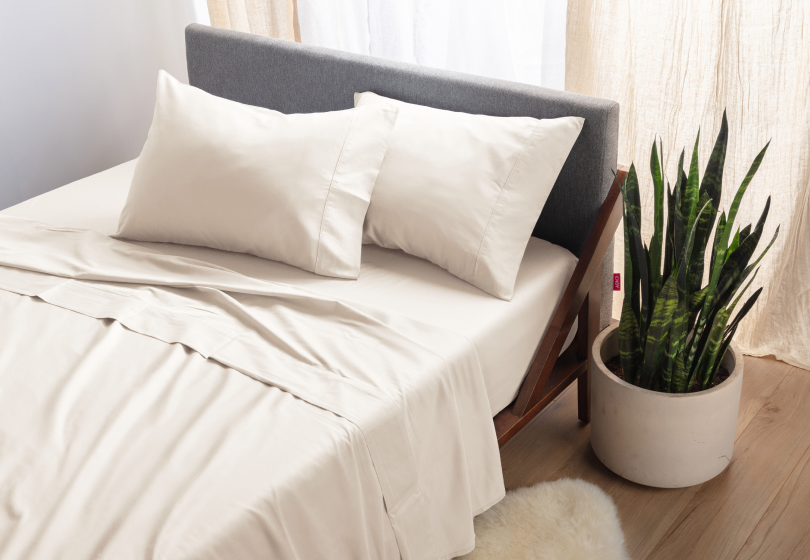
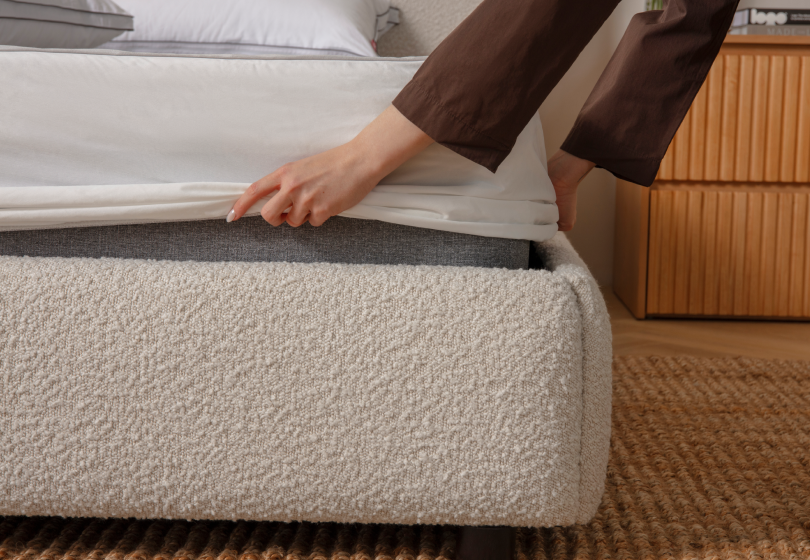
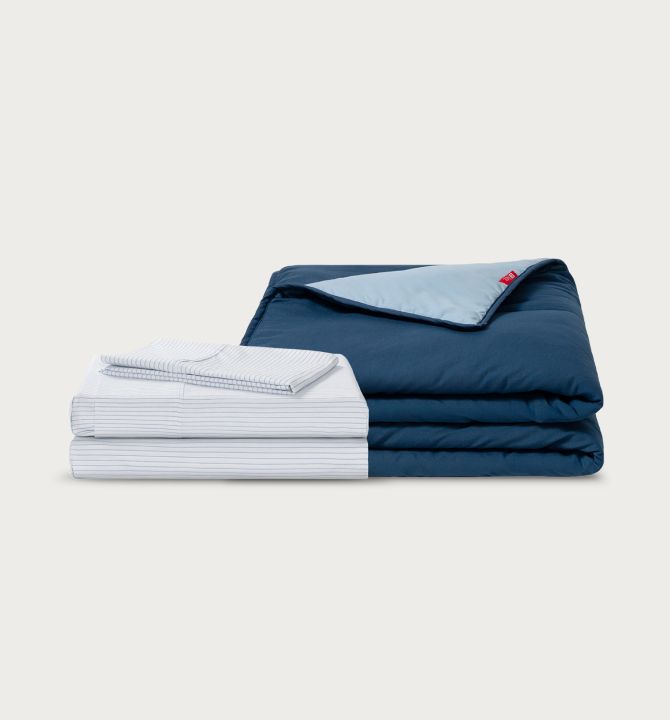
For Amihere, performance isn’t built on brief flashes of brilliance; it’s built on solid systems. There’s a precision to the way she moves through her days, guided by an internal clock that never seems to drift. Schedules aren’t just a preference; they’re a foundation. Laeticia talks about routine the way some athletes talk about instinct: learned early, refined over time, and relied on when everything else turns unpredictable. Travel, back-to-backs, and shifting roles are the variables she can’t control.I think for me, I’m a big schedule person. I like constants and obviously with our lifestyle, that’s impossible. I like sleeping on the same bed. I like the same. You know? I like having my eye mask. I like having the right blanket. And it’s really hard doing that when we’re always traveling.
Just being really, like a person with big priorities and a big routine because I know how it is to stay up at 2 a.m. and then trying to roll over and play a game the next day. It’s not the best for me or for anybody around me. So having your priorities straight is something that as an athlete, obviously you have to be very serious about.
Learning When to Pause

I think I still struggle with it, just trying to not always busy my schedule. Like just being okay with just resting or being okay with taking the day off and listening to my body. And I think that it’s something that needs to be promoted more because we always see the the glitz and glamor on social media.
You learn from experiences. You know, sometimes you would hope it wouldn’t take you negative experiences, like staying up all night, to learn but I’m at that point now. I’m learning that, you know, it helps me not only think clearly, but perform. Be a better person, be in a better mood, all those things.
Shareon social media

