What Are the Signs That Your Mattress Is Worn Out?
By Adelaide Prior
A worn-out mattress shows several clear warning signs: visible sagging or body impressions deeper than 1–1.5 inches, waking up with stiffness or back pain that eases once you’re up and moving, worsening allergies or sneezing in bed, audible squeaking or creaking sounds, and consistently sleeping better in hotels or at a friend’s house than in your own bed. Most mattresses should be replaced every 7–10 years or sooner if these signs appear. If your current one is checking more than a couple of boxes on this list, it’s probably time for a new mattress. This guide walks through each warning sign, what it means for your sleep quality and spinal health, and how to decide whether to replace or try a mattress topper first.
8 Signs Your Mattress Is Worn Out (And What to Do About It)
1. Visible Sagging or Body Impressions
This is the most obvious sign — and the one to take most seriously.Over time, foam and comfort layers develop permanent body impressions: shallow craters in the shape of your sleeping position that don’t spring back. When that happens, your mattress can no longer maintain neutral spinal alignment, and your pressure points (hips, shoulders, lower back) start bearing uneven load.Across the mattress industry, a sag deeper than 1 to 1.5 inches in the area where you sleep is widely considered the threshold for structural failure, and a signal it’s time for a new mattress. Many manufacturer warranties use this same measurement as their replacement criterion. At Endy, any sagging of 1 inch or greater is covered by our 15-year warranty.If you pull back your sheets and mattress protector and can see a dip where you sleep, your old mattress has structurally failed — no mattress pad or mattress topper will fix what’s underneath.
2. You Wake Up with Aches and Pains
Waking up stiff, sore, or with new aches in your lower back, hips, or neck? Your mattress may be to blame.Here’s a simple test: if your back or neck pain improves within 20–30 minutes of getting up and moving around, your sleeping surface — not an underlying medical condition — is the likely cause. Research has found that switching to a new mattress significantly reduced back pain and improved sleep quality in study participants.A bad mattress that’s lost its core integrity can no longer distribute weight evenly. This makes your body sink into unhealthy positions and leads to chronic aches and pains over time. For back and stomach sleepers especially, this kind of spinal misalignment adds up quickly.
3. Your Allergies Are Getting Worse at Bedtime
Sneezing more when you climb into bed? Waking up congested even outside of allergy season? Your old mattress might be the culprit.Dust mites are microscopic organisms that thrive in warm, humid environments — and mattresses are their favourite home. Research from Ohio State University found that older mattresses can harbour 100,000 to 10 million dust mites, the single highest concentration of any household item. Dust mites in old mattresses can also worsen allergies and trigger sleep disorders like sleep apnea in sensitive individuals.Beyond dust mites, foam breakdown in an old mattress can release other allergens that accumulate over time. A new mattress with a machine-washable cover and breathable, open-cell foam construction can dramatically reduce these allergens and create a cleaner sleep environment.
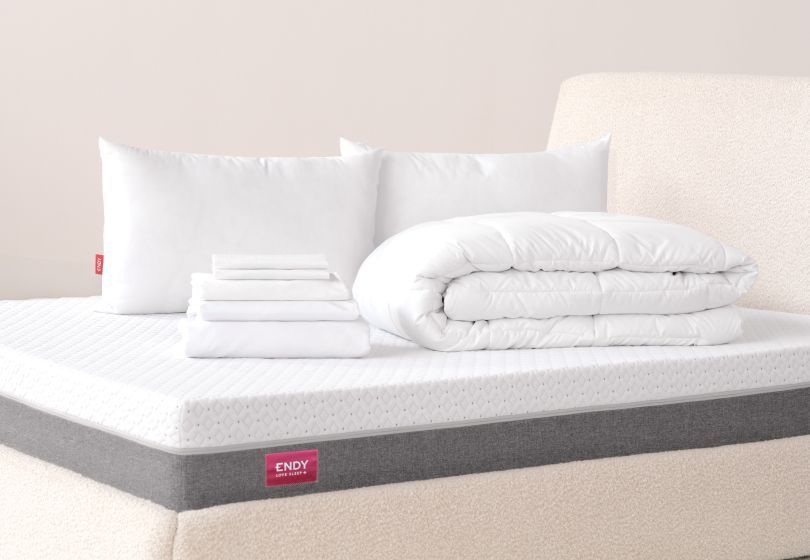
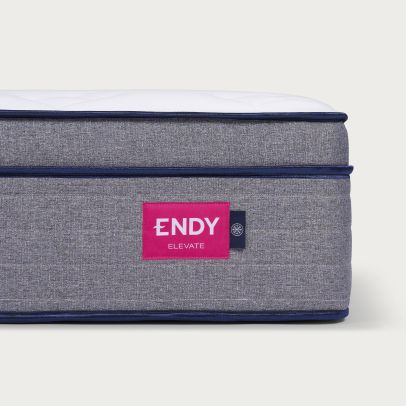
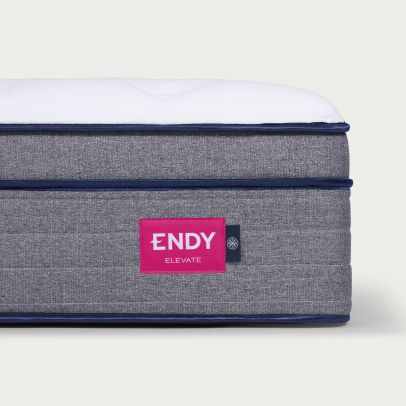
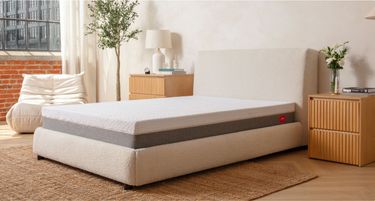
With high-density open-cell foam that resists sagging over time and a removable, machine-washable cover with 360° zipper, the Endy Mattress is built to last.Shop the Endy Mattress
4. You Hear Squeaking or Creaking Sounds
A mattress shouldn’t make noise. If yours does, something has broken down inside.For innerspring mattresses, squeaking typically means the coils have lost tension and are rubbing against each other — a sign the support core has structurally failed. For foam mattresses, unusual sounds often point to a deteriorating foundation or box spring rather than the mattress itself (so check your bed frame and base too). Either way, a noisy mattress is a clear sign of internal wear that affects support and sleep quality.
5. You Sleep Better Somewhere Else
This is what some sleep experts call the “Couch Test” — and it’s surprisingly telling.If you consistently get a better night’s sleep in a hotel bed, at a friend’s place, or even on a couch, your mattress is the common denominator. Sleeping better elsewhere is one of the strongest signals that your current one has stopped doing its job. Poor sleep quality that disappears the moment you’re sleeping on a different surface isn’t a coincidence, it’s a data point.
6. Your Mattress Is Over 7–10 Years Old
Even a mattress that looks fine on the surface degrades over time. Materials break down, support layers compress, and years of body weight and temperature changes takes a toll.According to the Sleep Foundation, most mattresses reach the end of their useful life between 7 and 10 years. Some even recommend replacing your mattress after 8 years for hygiene reasons. Even with your best efforts to keep things clean, dust mites, mold spores, and other allergens accumulate in ways a mattress protector simply can’t prevent.If your mattress is approaching or past this window, be honest about whether it’s still giving you the quality sleep you need — even if it hasn’t visibly sagged yet.
7. Visible Wear: Lumps, Fraying, or Damaged Fabric
Take a look at your mattress. Do you see lumps, uneven spots, or torn fabric? Can you feel springs through the surface?Physical deterioration on the outside of a mattress usually reflects deeper structural problems. Lumps or uneven firmness mean the comfort layers have shifted or broken down unevenly. Fraying fabric can expose the foam layers to moisture and allergens. These aren’t cosmetic issues — they affect how the mattress supports your body and can lead to discomfort and tossing and turning throughout the night.
8. Restless Sleep and More Tossing and Turning
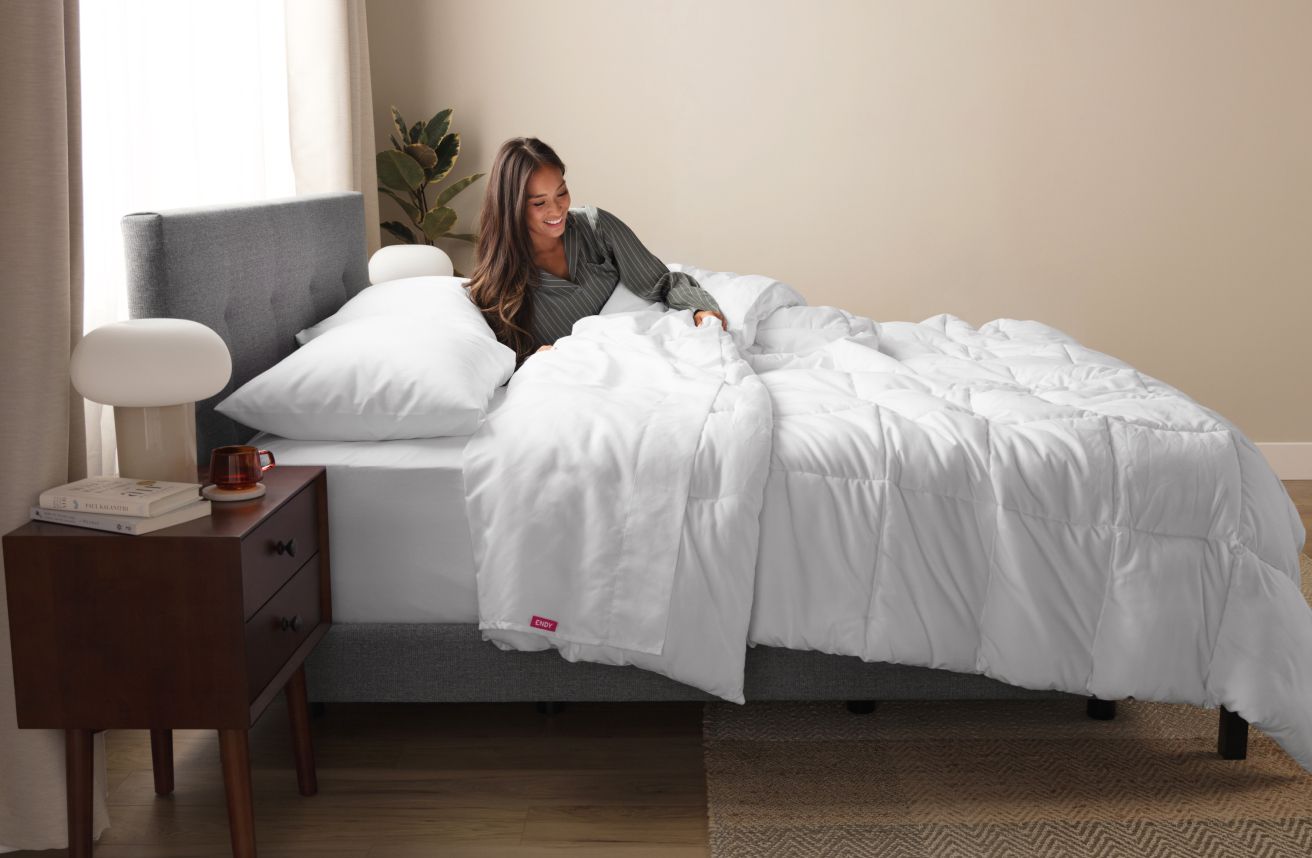
If you’re falling asleep fine but waking up repeatedly, or finding yourself tossing and turning more than you used to, it might be because of your mattress.A bad mattress that’s lost its pressure relief ability forces your body to constantly shift positions looking for comfort, which disrupts your sleep cycle without you fully waking up. The result is that you wake up feeling unrefreshed despite a full night in bed. Poor sleep quality is one of the most underrated signs that a mattress needs replacing, because people often blame stress or other factors before considering their bed.
How Long Should a Mattress Last? A Breakdown by Type
Not all mattresses age at the same rate. Here’s what to expect as a benchmark:
Memory foam mattresses: 7–10 years. Body impressions develop faster in low-density foams; higher-density memory foam holds up longer.
Innerspring mattresses: 6–8 years. Coils fatigue over time, leading to squeaking and visible sagging at pressure points.
Hybrid mattresses (coils + foam): 8–10 years. Pocketed coils resist sagging well; foam comfort layers may show wear first.
Latex mattresses: 10–15 years. Natural latex is the most durable option and resists body impressions better than foam.
All-foam mattresses: 8–10 years. Lifespan depends on foam density; rotating every 3–6 months extends life and distributes wear more evenly.
A quality mattress with proper care can reach the higher end of these ranges — but many factors, including body weight, sleep position, and whether you use a mattress protector, affect how quickly yours wears out.
Mattress Topper vs. New Mattress: How Do You Know Which You Need?
A mattress topper can be a smart, cost-effective fix — but only in the right situation.A topper works well if your mattress is still structurally sound but slightly too firm, or showing only minor surface softening. It adds a comfort layer on top without addressing what’s underneath.Here’s the problem: if your mattress is sagging deeper than 1 inch, has a broken support core, or is over 8 years old, a topper will simply conform to the damaged surface beneath it. You’ll still feel the dip. You’ll still wake up sore. It’s a temporary fix on a permanent problem.If you fall into one of these categories, you need a replacement, not a topper: sagging you can see and feel, springs you can hear, pain that persists even after adding a topper for 30+ days, or a mattress that’s past the 8–10 year mark. A mattress pad can protect a new mattress from wear — but it can’t rehabilitate an old one.
Ready for a New Mattress? Start Here.
If a few of these signs sound familiar, it might be time to give your sleep the upgrade it deserves.The Endy Mattress is a Canadian-made, all-foam mattress built with breathable open-cell foam, a temperature-neutral support core designed to resist sagging, and a machine-washable cover that helps keep dust mites and allergens in check. It’s available in Medium-Firm, Firm, and Plush so you can find the right feel for your sleep style.If you want added support and airflow, the Endy Hybrid combines 7" individually wrapped high-carbon steel pocket coils with pressure-relieving foam layers for zoned lumbar support, superior motion isolation, and enhanced breathability.Endy mattresses are engineered to last up to 15 years, which is reflected in our 15-year warranty. If your mattress starts to sag before that, the Endy team will replace it. No hoops, no extra cost to you.
Frequently Asked Questions
How do I know if my mattress is causing my back pain?The most reliable test: if your back or neck pain improves within 20–30 minutes of getting up and moving around, your mattress is the likely cause. Pain that appears only in the morning and clears up during the day is a strong indicator.How much mattress sagging is too much?Most manufacturer warranties use a threshold of 1 to 1.5 inches of visible indentation to define structural failure. If you can see a body impression of this depth, it’s time to replace your mattress.What is the average lifespan of a mattress?Most mattresses last 7–10 years, though this varies by type. Innerspring mattresses typically last 6–8 years; memory foam and hybrids last 8–10 years; and natural latex lasts up to 15 years. Using a proper base, keeping your mattress clean, and rotating your mattress every 3–6 months helps extend its life.Can a bad mattress cause nerve damage?A bad mattress can create sustained pressure on nerves — particularly in the hips, shoulders, and lower back — which may cause numbness, tingling, or radiating discomfort. If you’re experiencing persistent nerve-related symptoms, consult a healthcare provider to rule out underlying conditions.How often should you replace a mattress in Canada?Every 7–10 years is the general guideline, or sooner if any of the signs above appear. Some recommend 8 years as a hygiene benchmark, regardless of how the mattress looks or feels.This guide provides general information about mattress wear and replacement. If you’re experiencing persistent or severe back or neck pain, please consult a healthcare provider.