How Much Should You Spend on a Mattress? A Canadian Buying Guide
By M H Dodick
For most Canadians, a good queen size mattress usually costs between $800 and $1,800. That range gets you durable materials, a real sleep trial and a proper warranty, excluding any retail markup that inflates in-store pricing. Budget mattresses start closer to $500, while premium and luxury mattresses can run well past $2,000.Here we’ll explain mattress price tiers, what drives mattress cost and where Endy’s own foam and hybrid mattresses fit in that range, so you can buy a new mattress with confidence.
Mattress Price Tiers for a Queen Mattress in Canada
Mattress cost varies more than almost any other furniture item you’ll buy. A queen size mattress typically runs from about $500 to more than $4,000, with the difference often coming down to materials and construction. Here are four common price tiers.
Under $500: Low-Cost Mattresses
Expect basic all-foam construction with lower foam density and thinner comfort layers. These mattresses are OK for a guest room, but tend to sag in four-to-six years, so their shorter lifespan offsets any upfront savings.
$500 to $1,000: Entry Mattresses
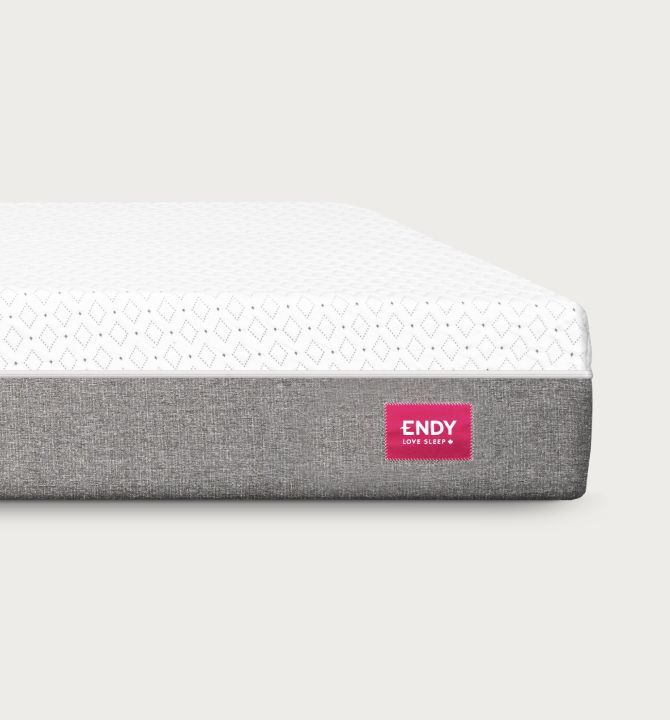
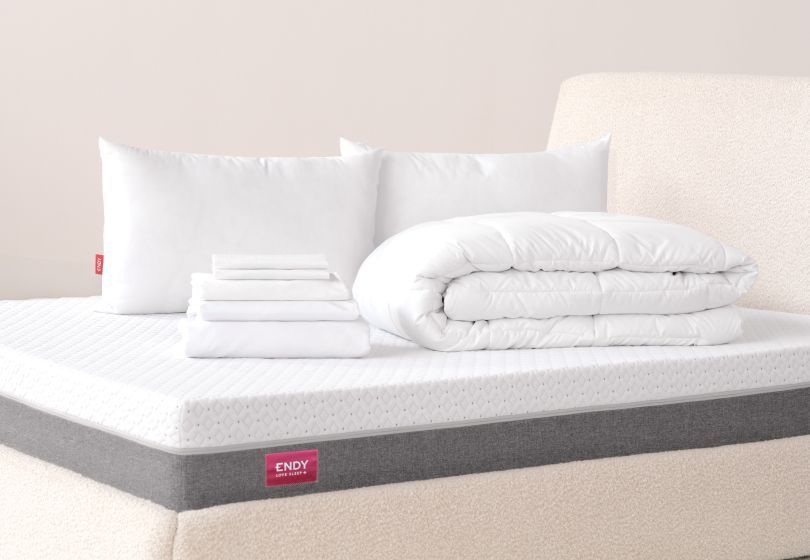
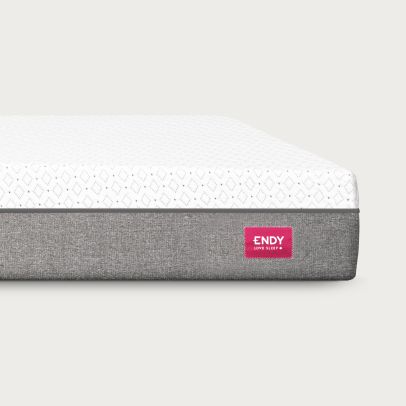
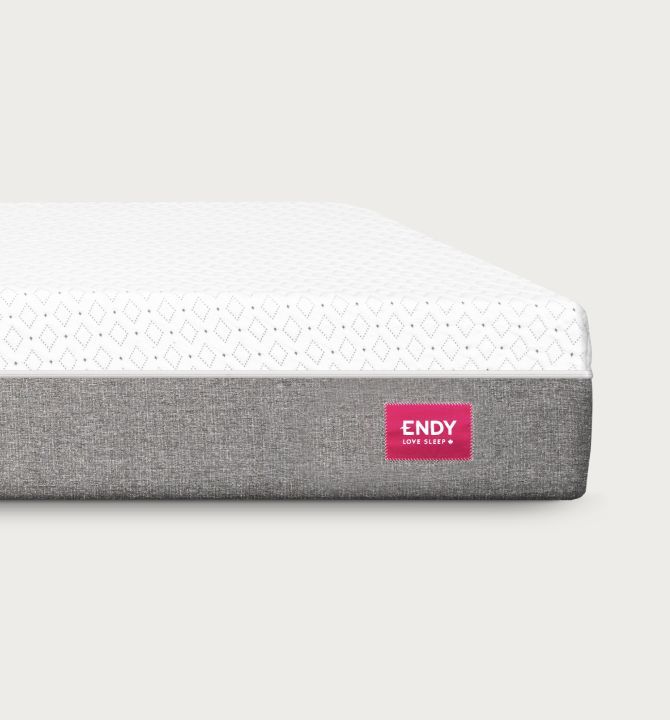
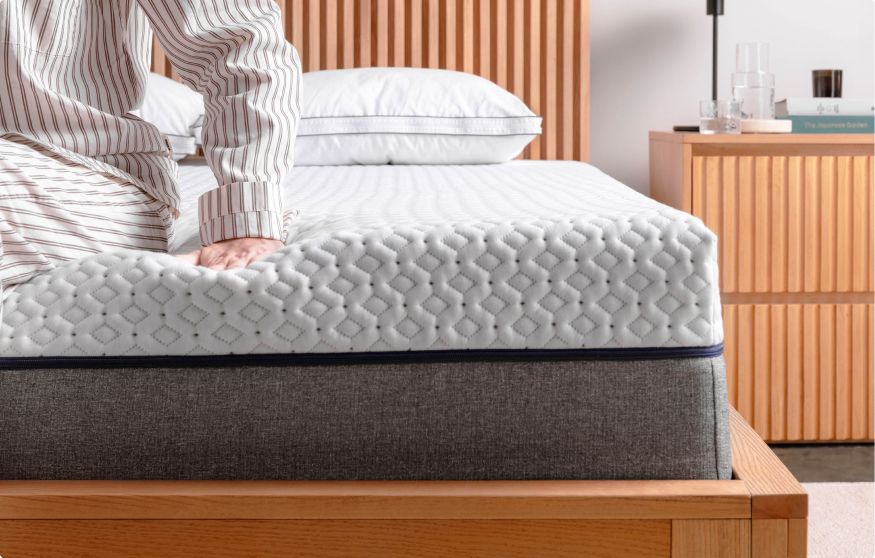
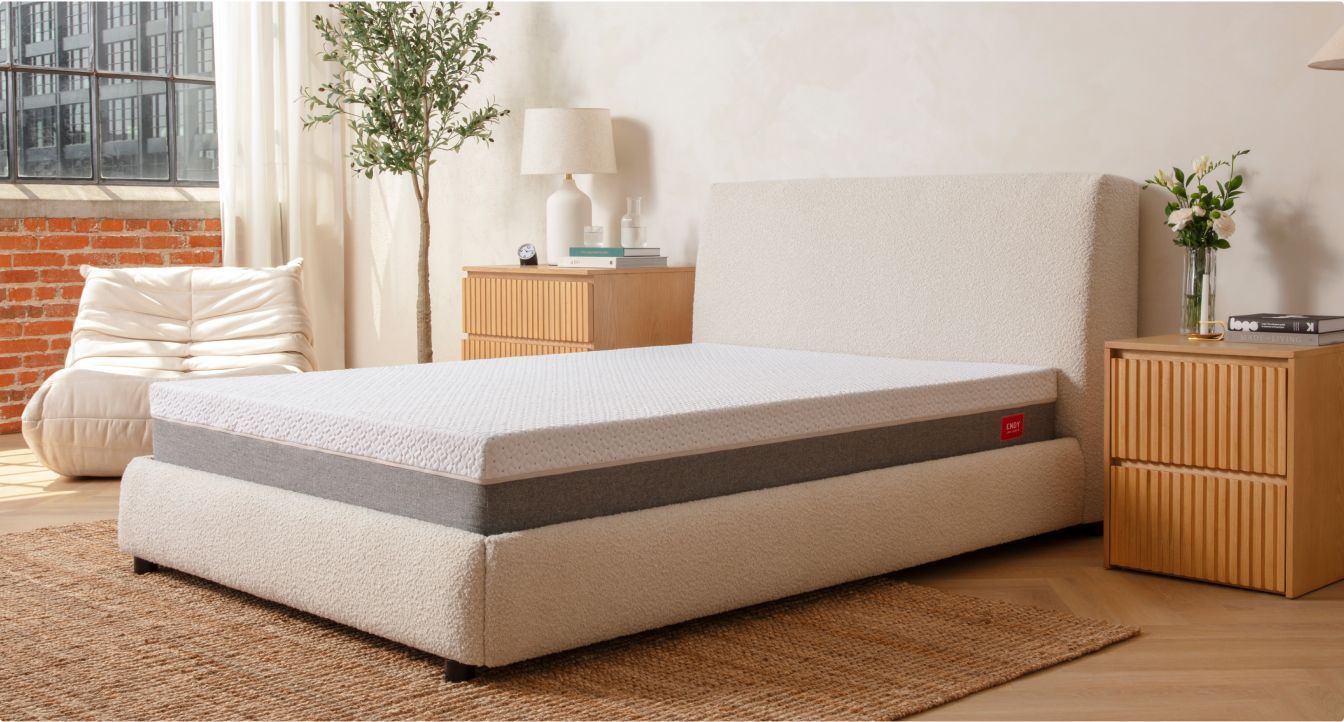
This is where most mattress shoppers land, and it’s where a solid, all-foam option like The Endy Mattress fits. A queen costs $895, is built with CertiPUR-US® certified foam and backed by a 365-night trial and a 15-year warranty with Endy VIP registration.
$1,000 to $1,800: Mid-Range Mattresses
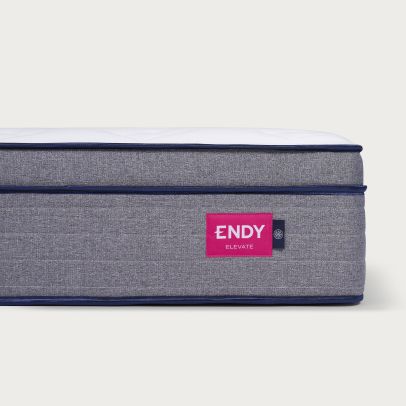
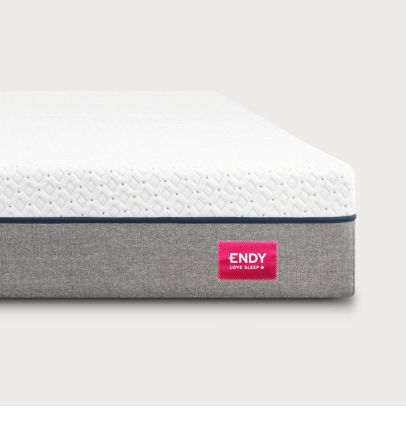
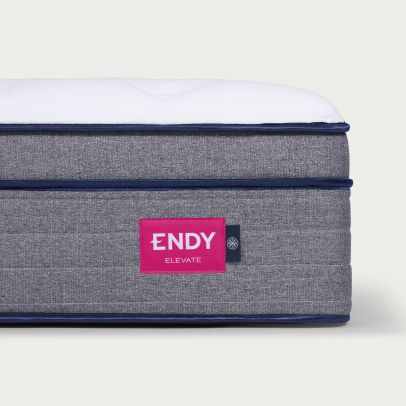
Mid-range mattresses provide the best balance of quality and price for most sleepers, and it’s the tier where hybrid mattresses start to show up. For a primary bed, especially if you want a hybrid, this is the often the recommended tier.The Endy Hybrid pairs pocketed coils with foam comfort layers at $1,295 for a medium-firm queen. Hybrid construction adds airflow and edge support that an all-foam alternative can’t match.
5 layers for advanced cooling, targeted support, and responsive all-night comfort, all at an affordable price point.Shop the Endy Hybrid
$1,800-Plus: Premium & Luxury Mattresses
Premium mattresses normally cost between $1,500 and $4,000, while luxury mattresses start around $4,000 and can exceed $6,000, depending on size. They feature premium natural materials, such as natural latex, higher coil counts and hand-finished quilting. For most sleepers, the quality gains beyond $1,800 to $2,000 are not necessarily apparent, so this is a “preference purchase” and only you can decide if it’s money well-spent.
What Affects the Price of a Mattress?
A handful of factors explain why one mattress price costs $500 while another is $6,000 for what seem like similar products.
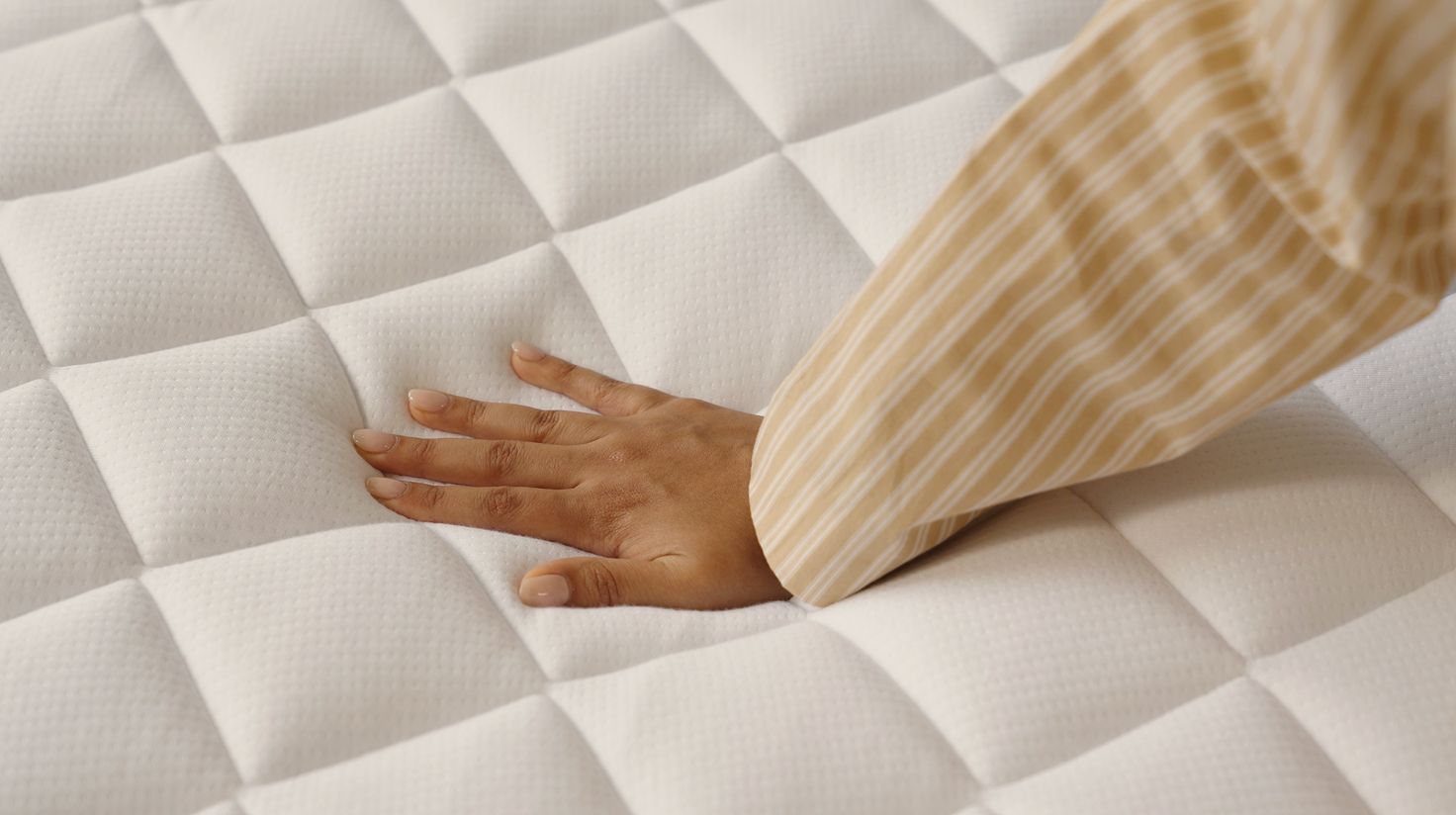
Materials and construction: Memory foam and latex cost more than basic polyfoam, and hybrid mattresses (foam plus coils) usually cost more than all-foam models. For mattresses with foam, foam density affects price, but also comfort and durability: higher-density foam resists body impressions and holds its shape longer. That’s why quality improves noticeably once the price exceeds $600 to $1,200.
Coils and gauge: Coil count and steel gauge matter for innerspring and hybrid mattresses. Heavier steel and more individually wrapped pocketed coils add cost but also improve motion isolation and edge support.
Certifications: Standards like CertiPUR-US® add a small premium but confirm the foam has been independently tested for content, emissions and durability. For the peace of mind if offers and the health benefits, this is not an area to cut corners on.
Size: Larger mattresses require more raw materials, so a king usually costs 20 to 40 per cent more than a queen in the same line.
Where you buy: In-store pricing often runs 40 to 60 per cent higher than a comparable mattress bought online, since direct-to-consumer brands avoid showroom costs common with in-store pricing.
Is a Higher Mattress Price Worth It?
It’s difficult to answer the question precisely because so many factors come into play. But if you’re wondering how much a quality mattress is worth for each night of restful sleep, consider what you’d pay daily over 10 years for a premium cup of coffee. That framing is useful for understanding why spending slightly more in the mid-range tier is often better value than replacing a sub-$500 mattress every three to four years.The Better Sleep Council also advises shoppers to weigh the cost-per-day value of a mattress and buy the best they can reasonably afford. Durability and good quality sleep tend to matter more over time than chasing the lowest sticker price.
Mattress Durability
A good mattress typically lasts 7 to 10 years, though lifespan depends heavily on materials, foam density and how it’s cared for. Higher-density foam and heavier coil systems tend to hold their shape longer than budget builds.Endy backs both The Endy Mattress and The Endy Hybrid with a 365-night trial and a standard 10-year warranty, and 15 years when you register as an Endy VIP, longer than many retail mattresses offer.
Frequently Asked Questions
Is it worth spending $2,000 on a mattress?It depends. Quality improves significantly after $600 and a hybrid around $1,200+ often includes better coil systems and cooling materials. Beyond $1,800 to $2,000, further gains tend to reflect materials preferences, such as natural latex, rather than measurable comfort or support.Is $3,000 excessive for a mattress?Not necessarily, but it’s firmly in luxury mattress territory. At this price, you’re typically paying for premium materials and brand cachet as much as raw performance. Unless you specifically want latex or a designer label, most sleepers get comparable comfort from a well-made mid-range mattress at a lower price.When is the best time to buy a mattress?Major sale windows, like Black Friday and Boxing Day, are when most Canadian mattress brands offer their deepest discounts during the year. If your current mattress is still usable, it’s worth waiting for one of these sales periods rather than buying at full average mattress price.How do I know it’s time to replace my mattress?The key question. Visible sagging, waking up with new aches, or a mattress older than 8 to 10 years are clear signals that it’s time for a new mattress. For a more detailed breakdown of signs to look out for, you can read our blog here.Pricing note: the ranges above reflect Endy’s pricing and general industry pricing at the time of publishing and are quoted in Canadian dollars excluding applicable taxes and any associated fees. Mattress prices and promotions change often, so check endy.com for current pricing before you buy.