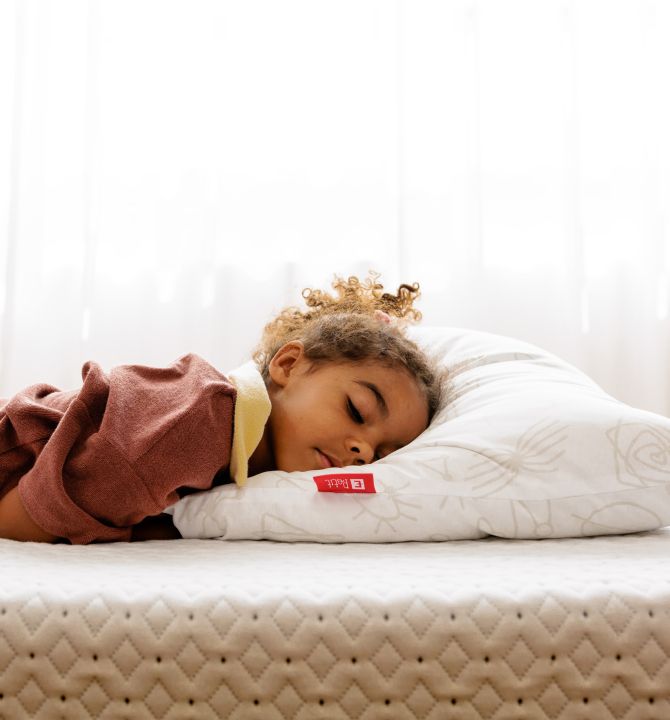
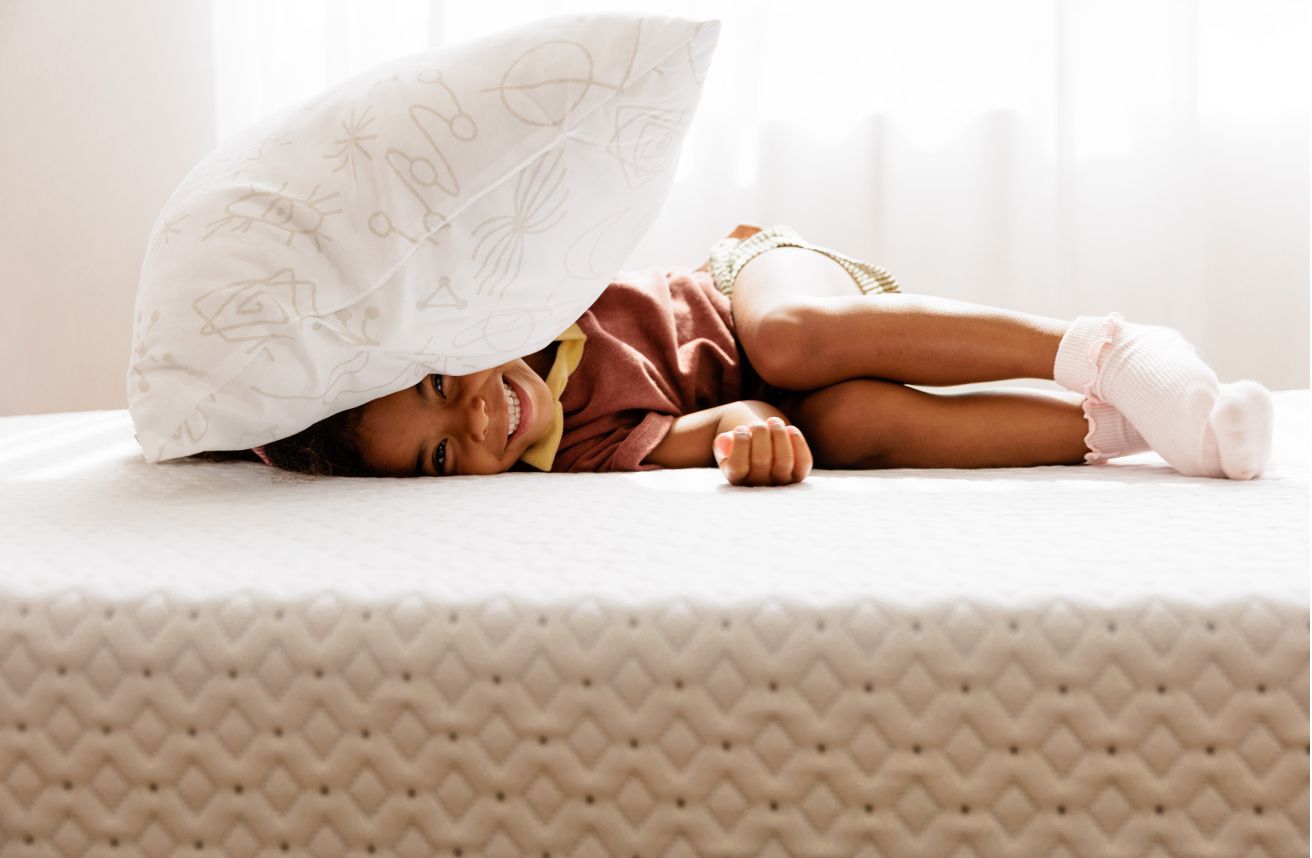
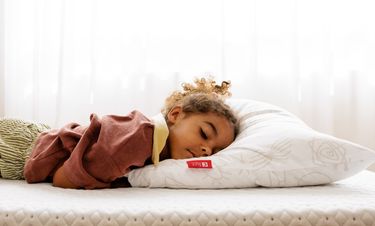
Most toddlers are ready for a pillow somewhere between 18 months and 3 years old, usually once they’ve moved to a toddler bed, have steady head and neck control and start propping their head on a blanket, stuffed animal or an arm. The American Academy of Pediatrics recommends no pillow before age 2 and no pillows or other soft bedding in a crib at any age. So, readiness is really about developmental signs, not a single sleep milestone or birthday. Here are seven signs your toddler needs a pillow, plus what to consider once your child is ready.
7 Signs Your Toddler Is Ready for a Pillow
Toddlers develop on their own schedules, but these are signs of “pillow readiness” that appear repeatedly according to paediatric guidance and real family experience.
They’ve moved to a toddler bed or big kid bed. This transition typically happens between 18 months and 3 years old and often aligns with pillow readiness, since a toddler bed or big kid bed gives them room to safely reposition if a pillow shifts while sleeping.
They show strong head, neck and shoulder control. This physical milestone is what lets toddlers safely turn away or push a pillow aside if it gets in their face.
They’re at least 18 to 24 months old, ideally age 2 or older. Age alone isn’t the deciding factor, but it’s what most paediatric sources recommend before you introduce a pillow to any child.
They prop their head on a blanket, stuffed animal or their own arm. This is one of the clearest behavioural cues your toddler is already seeking some extra support.
They’ve started sleeping on their side. Side sleepers usually benefit most from a pillow, since it helps keep the neck and spine in a straighter, more comfortable line while asleep.
They seem restless or wake up sore. Frequent overnight waking, a stiff neck in the morning or general fussiness at bedtime can be signs your toddler needs more support than a flat mattress provides.
They ask for a pillow or copy a sibling or parent. Expressing interest on its own is a valid readiness signal, especially when it coincides with a few other indicators.
Signs They’re Not Ready Yet
Not showing signs they’re ready for a pillow yet is also normal. It’s a good idea to postpone if your toddler:
Is still sleeping in a crib with the sides up.
Is younger than 18 months.
Hasn’t shown any interest in a pillow and sleeps soundly without one.
Has a diagnosed respiratory or allergy concern their paediatrician wants managed first.
There’s no rush. Toddlers sleep perfectly well flat on a mattress, and waiting a few extra months for stronger neck and shoulder control is perfectly fine. Keep a consistent bedtime routine and let your toddler settle in without a pillow for now.If you’re not sure if your child is ready, consult your paediatrician at their next check-up. They can examine your toddler’s overall development and sleep environment and help you decide. Once you start seeing signs your toddler needs a pillow, follow the safety basics below before you shop.
Is It Safe for a Toddler to Sleep With a Pillow?
Once your toddler is over the age of 2 and out of a crib, it is safe for your child to use a pillow. However, the American Academy of Pediatrics is clear: no pillow before age 2, and no pillows or other soft bedding in a crib at any age. Why? There are two distinct risks.The first is a suffocation risk, which is highest for babies and very young toddlers who lack the strength or co-ordination to move soft bedding away from their faces. Sudden infant death syndrome and other sleep-related deaths have been linked to pillows and loose bedding in the sleep environment, which is why you should keep your baby’s sleep space free of soft bedding at every age.The second is a climbing hazard: a pillow placed in a crib can give a toddler enough of a boost to climb over the rail, increasing the risk of a fall.Once your toddler has made the move to a toddler bed or big kid bed, the climbing risk mostly disappears, and their motor skills are usually developed enough to safely sleep with a small, firm pillow. This is generally the phase paediatric experts identify when you introduce a pillow for the first time. Pillows should still be firm rather than soft or fluffy, since firmness reduces suffocation risks and gives growing necks proper support.
What to Look for in a Toddler Pillow
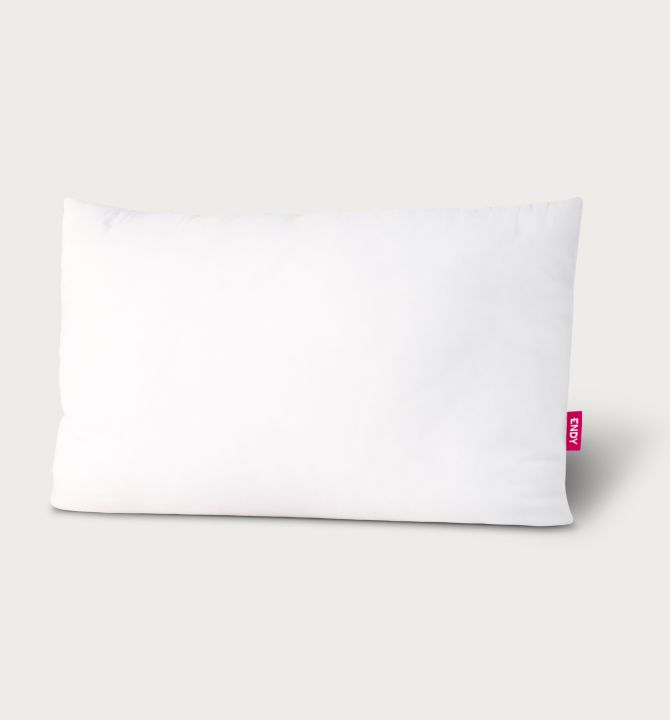
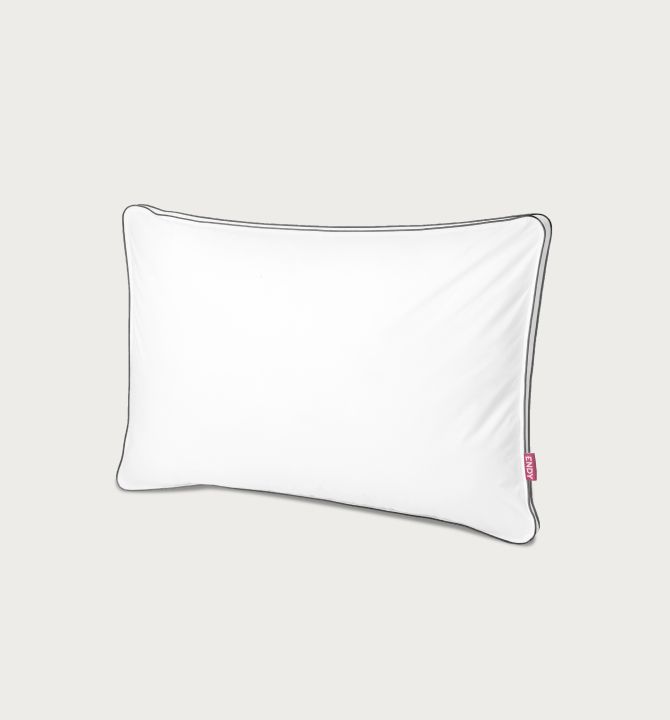
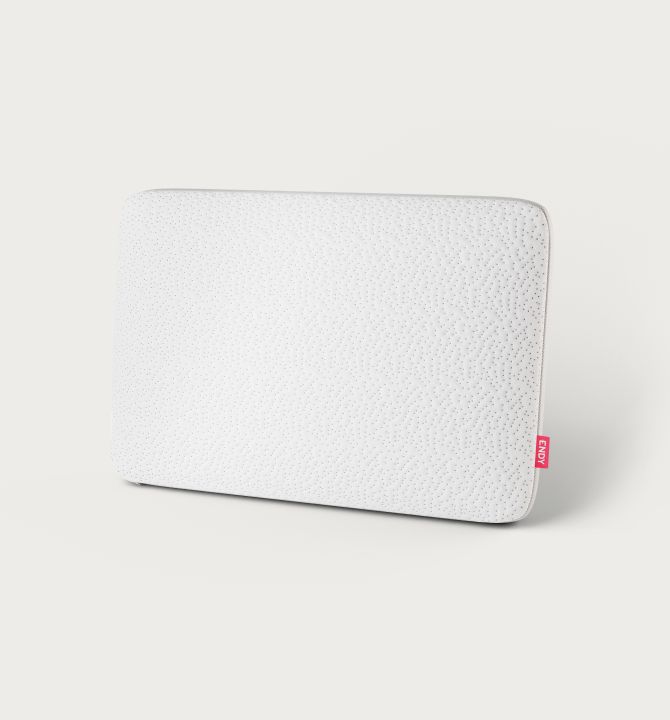
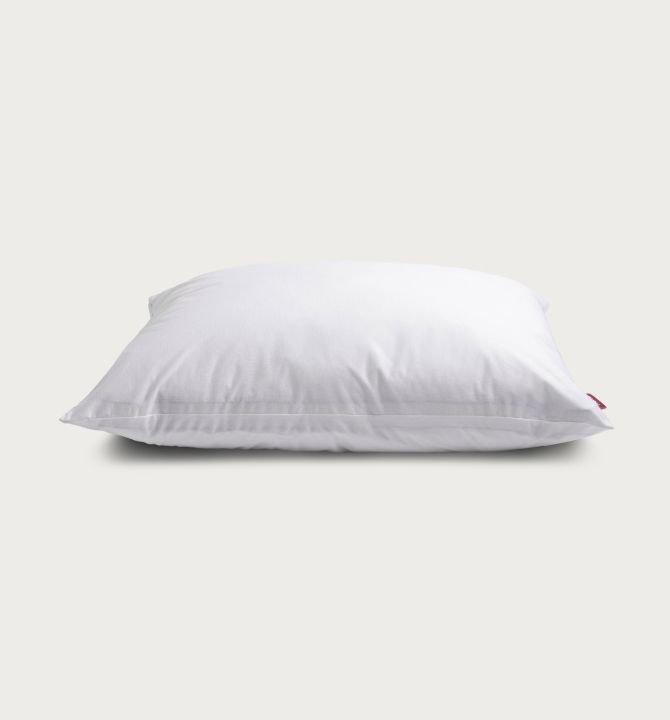
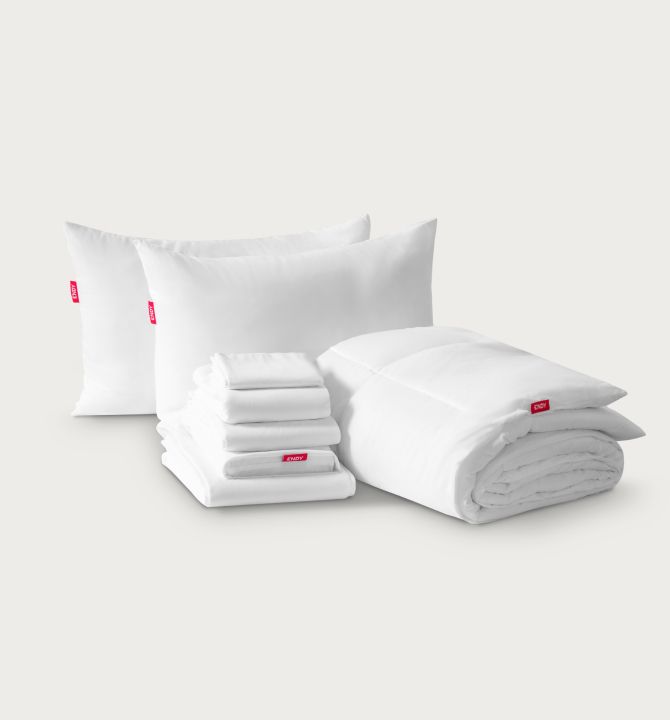
Once you’ve confirmed a few of the signs your toddler needs a pillow, it’s time to choose the right one. A proper toddler pillow supports sleep instead of hindering it, and here’s what actually matters:Size: Most toddler pillows measure about 30 x 41 cm to 36 x 51 cm (12 x 16 to 14 x 20 in), noticeably smaller than a standard adult pillow so it doesn’t overwhelm a small frame.Loft: Aim for a loft, or thickness, of about 5 to 8 cm (2 to 3 in). That’s just enough support to keep the neck without tipping the head too far forward or to the side.Materials: A supportive pillow for a child should be hypoallergenic, machine washable and free of loose fill, such as beads, pellets or seeds, that could become a choking hazard if a seam ever gives way. Some parents also look for organic cotton or other breathable, certified covers for extra peace of mind.The Endy Kids Pillow is made with everyday, kid-proof care in mind. It’s machine washable, filled with a soft, down-like hypoallergenic fibre, and OEKO-TEX® Standard 100 certified, meaning its materials are independently tested and cleared for harmful substances. It’s sized for children ages 5 to 12, with a medium-soft feel that supports proper head and neck alignment no matter which sleep style your child prefers. It also features a 60-night trial, so there’s ample time to confirm it’s the perfect pillow before you commit.
Their new favourite pillow, built to grow with them. Soft, cozy, and made for settling into sleep with ease.Shop the Endy Kids Pillow
And when it’s time to rethink the whole sleep setup, the Endy Kids Mattress offers the same certified, made-in-Canada comfort in a medium-firm feel designed for growing bodies ages 5 to 12.
Frequently Asked Questions
When can my toddler start using a pillow?Most toddlers can start using a pillow between 18 months and 3 years old; the American Academy of Pediatrics recommends waiting until at least age 2. Watch for signs your toddler needs a pillow before you introduce one to your child’s bed. The right moment usually matches your toddler’s move from a crib to a toddler bed. (For more on getting the “bed switch” timing right, see this guidance on transitioning from crib to toddler bed.)Is it safe to put a pillow in the crib?No. Pillows, loose blankets and other soft bedding should stay out of your toddler’s sleep environment and a crib at every age. A pillow in a crib is a suffocation risk for younger children and a potential step stool for a toddler trying to climb out.What if my toddler doesn’t like or refuses a pillow?That’s common, and it’s fine. Some toddlers push the pillow away and keep sleeping with their head flat on their mattress for weeks or months before they embrace it. Keep offering it as part of your toddler’s bedtime routine, without engaging in a battle, and let them come around on their own timeline. If bedtime resistance appears suddenly after months of good sleep habits, it may indicate sleep regression rather than a rejection of the pillow itself.What size and type of pillow is best for a toddler?Look for a small, firm, hypoallergenic pillow, generally around 30 x 41 cm to 36 x 51 cm (12 x 16 to 14 x 20 in) with a loft of 5 to 8 cm (2 to 3 in). Machine-washable kids pillows make cleanup easier after spills, sniffles or occasional bedtime snacks, and a firm fill supports proper alignment and better sleep than a soft, overstuffed one.Can I use a regular adult pillow for my toddler?It’s best to avoid it. Adult pillows are usually too large, too soft or too high for a toddler’s smaller frame, which can push the neck out of a neutral position instead of supporting it. A kid-sized pillow gives growing necks and shoulders proper support without added bulk.To summarize, keep safety front and centre. Then, watch for signs your toddler needs a pillow, and they’ll accept it as another small, cozy step toward a good night’s sleep in their big kid bed.
This article is for general informational purposes only and isn’t a substitute for professional medical advice. Always talk to your child’s paediatrician about sleep safety questions specific to your toddler.