When Should You Transition Your Child from a Toddler Bed to a Twin Bed?
By M H Dodick
Most children move from a toddler bed to a twin bed somewhere between ages 3 and 5, though some make the switch as early as 18 months and others wait until 5 or 6. However, age matters less than readiness. Check your child’s height, weight and behaviour in the toddler bed rather than a calendar on your wall to know when it’s time to make the switch.This guide breaks down the clearest signs that your child is ready to transition from a toddler bed to a twin bed; how to set up the bigger bed safely; what to look for in choosing a twin bed mattress; and why the Endy Petit Kids Mattress is a great pick for your child’s first big kid bed.
Toddler Bed vs. Twin Bed: What’s Actually Different?
A toddler bed and a twin bed aren’t the same thing. A toddler bed mattress measures about 71 x 132 cm (28 x 52 inches), the same as a crib sized mattress. A twin size mattress measures about 97 x 191 cm (38 x 75 inches), roughly 58 cm (23 inches) longer and 25 cm (10 inches) wider. That extra bed size gives your growing child a lot more room in the bigger bed to stretch out and roll over.Most toddler beds also come with guardrails built into the frame, while a twin bed frame typically skips safety rails, so if that’s something you still want, you’ll need to add your own.
What Are the Signs Your Child Is Ready for a Twin Bed?
Most kids transition to a twin bed sometime between ages 3-5, but your child’s age matters far less than when they meet a few signs of readiness:
Nearing the weight limit. Most toddler beds top out around 23 kg (50 lbs), per CPSC guidance on toddler bed weight limits, so plan ahead once your child is nearing the weight limit.
Outgrowing the height.American Academy of Pediatrics safe sleep guidelines suggest considering the switch once a child reaches about 89 cm (35 inches) tall, or once the crib rail (or guardrail) sits around chest height.
Legs or feet hang off the mattress, or if your child rolls out of their toddler bed during sleep.
Frequently climbing out of bed or trying to escape at night.
Your child asks directly for a “big kid bed.”
A younger sibling needs the toddler bed.
Growing independence, like dressing themselves or starting potty training.
For context, the average three-year-old weighs about 14.5 kg (32 lbs) and stands about 95 cm (37.5 inches) tall, and the average four-year-old weighs about 16 kg (36 lbs) and stands about 102 cm (40 inches). Treat those numbers as a general reference, not a cutoff: children grow on their own timeline.
How Do You Make the Switch to a Twin Bed Safely?
The biggest safety risk parents report after transitioning from a toddler to twin bed is falls. To address that, here are a few safety precautions to consider:
Add a bed rail. A bed rail is recommended for kids under 5, especially active sleepers who move around a lot at night.
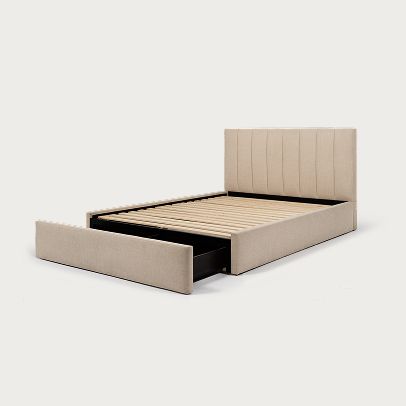
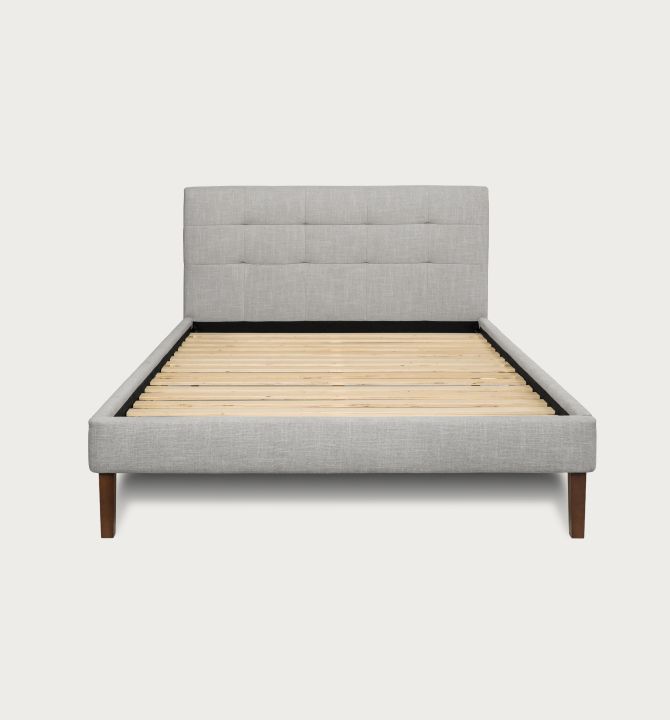
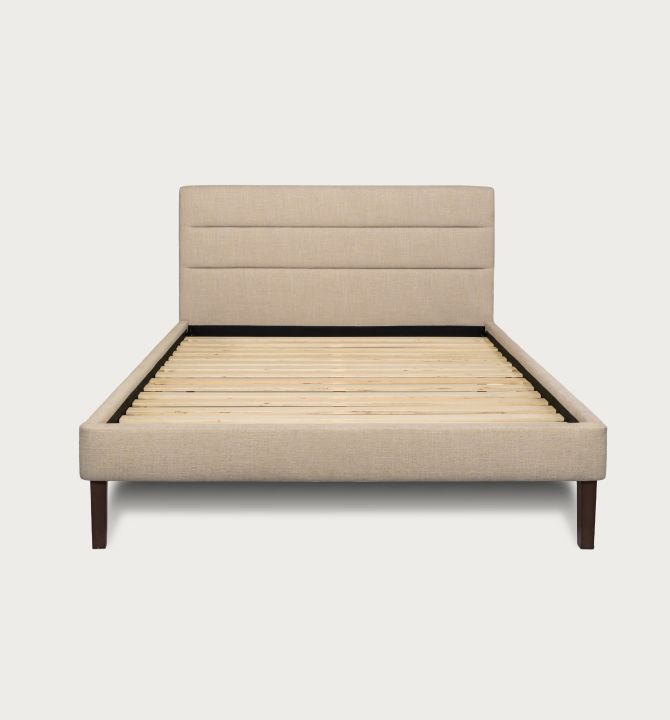
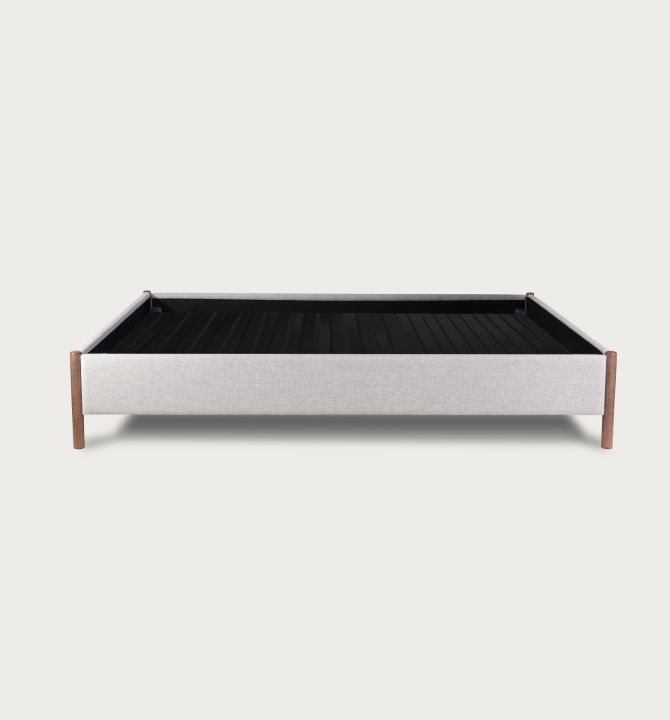
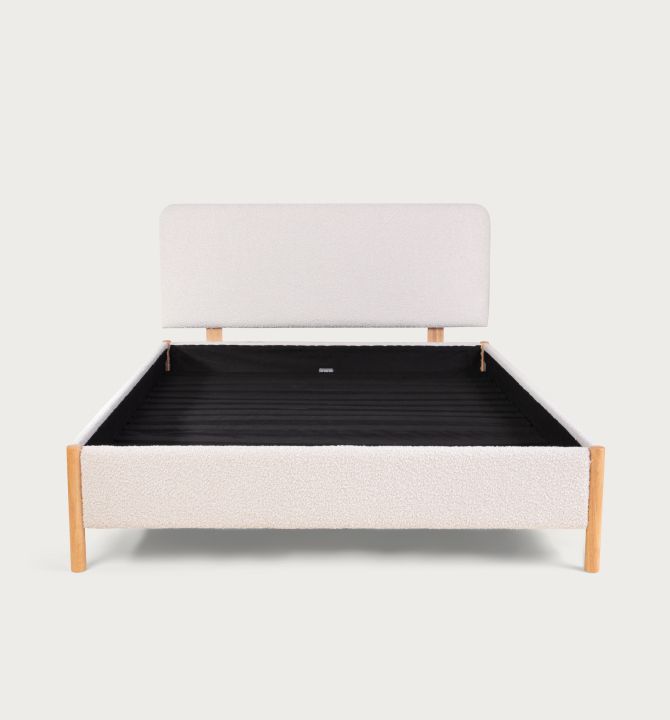
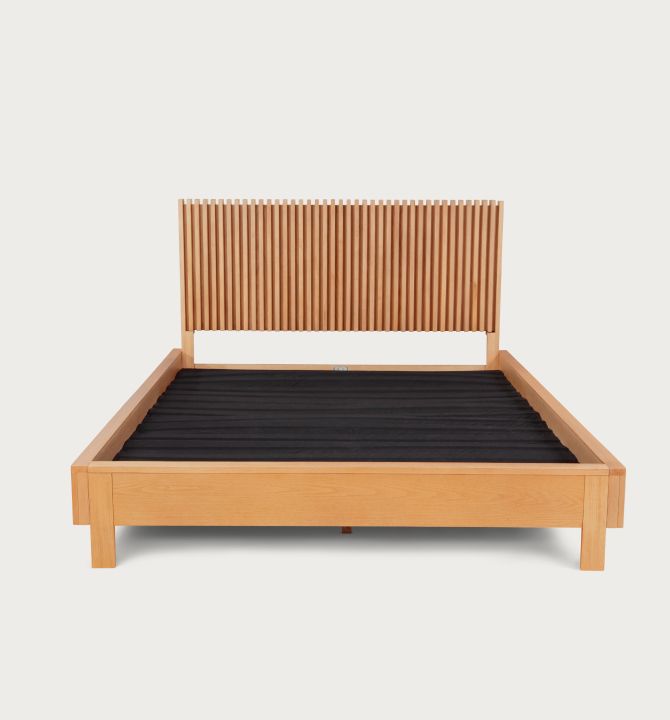
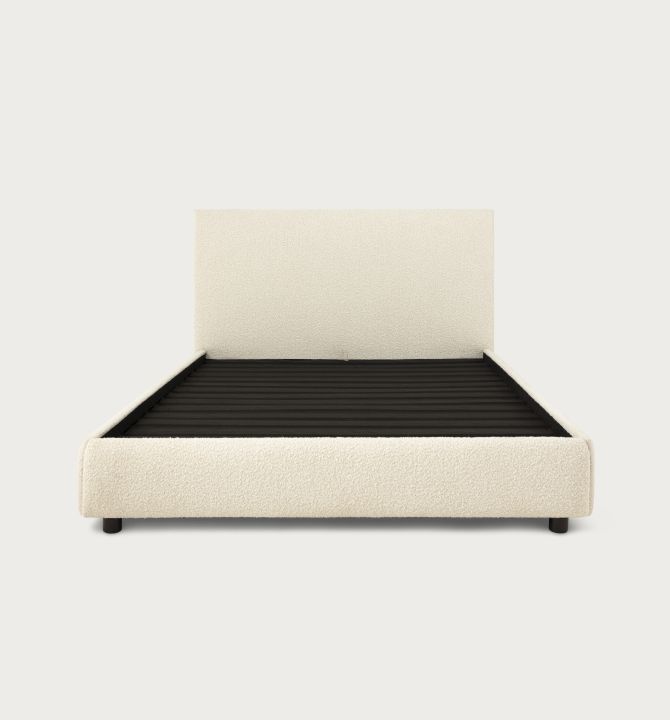
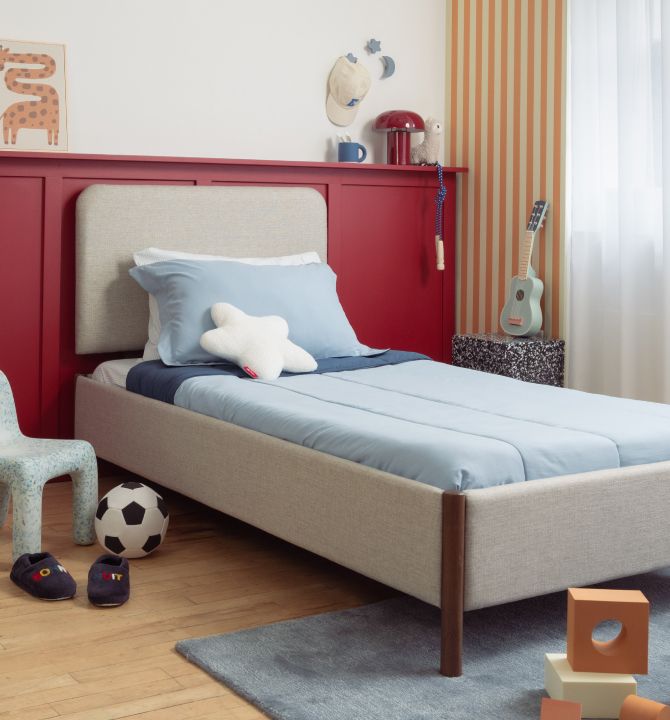
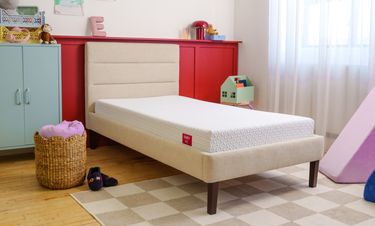
Start low. A low-profile twin bed frame means they don’t have as far to fall if they roll off the bed, which can make the transition easier for nervous sleepers.
Anchor it. Push the frame against a wall on at least one side for extra stability.
Clear the path. Keep the sleep environment and walking path clutter-free for nighttime bathroom trips (handy during potty training).
Hold off on bunk beds.CPSC guidance also recommends waiting until at least age 6 before introducing a bunk or loft bed to your child’s room.
Some families skip the crib-to-toddler bed stage entirely and move straight to a twin bed, and the same setup rules apply.There’s no single right way to handle the transition from a toddler bed. It’s about what works for your family, so talk to your pediatrician if you’re unsure whether kids are ready.
What Should You Look for in Your Child’s First Big Kid Mattress?
Once you’ve settled on your child’s twin bed frame, the mattress matters as much as the frame underneath. Look for a few baseline safety features, such as:
Consistent support: your child needs a mattress that supports and adapts to their body as it grows. Look for high-durability foam to make sure that the mattress lasts.
Breathable materials: when your child sleeps cool, they sleep better. Look for open-cell foam for maximum breathability and comfort.
Certified foam (such as CertiPUR-US® certification): this is added peace of mind that the foam used in the mattress has been independently tested for content, emissions and durability.
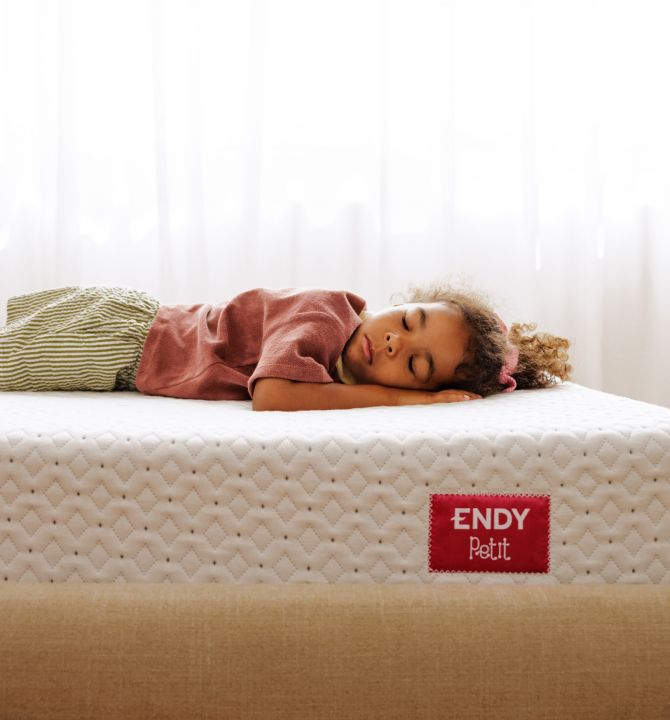
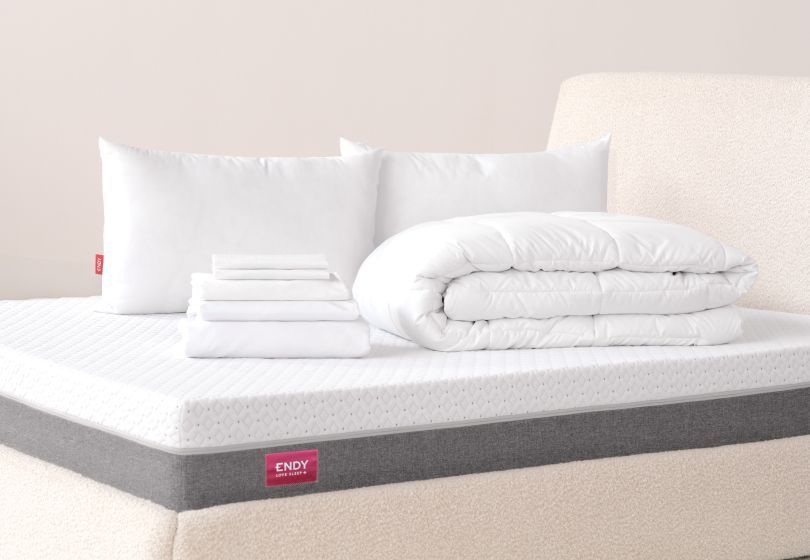
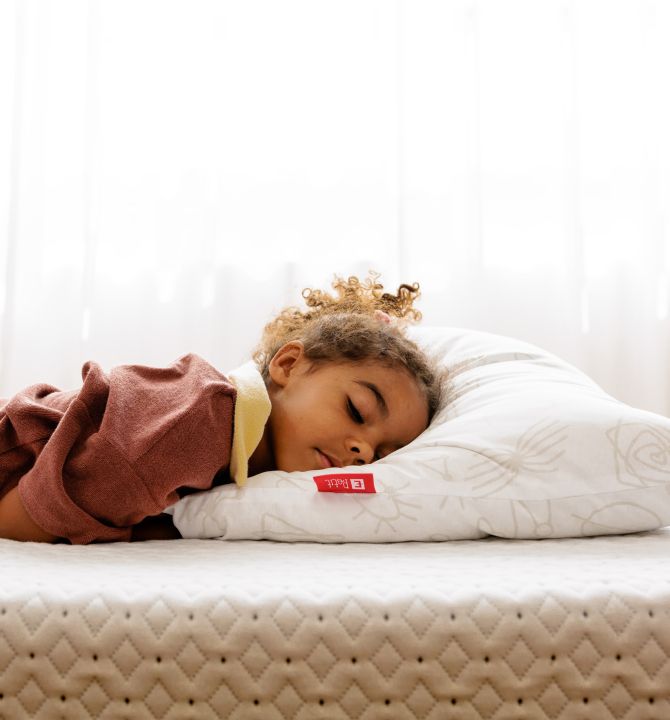
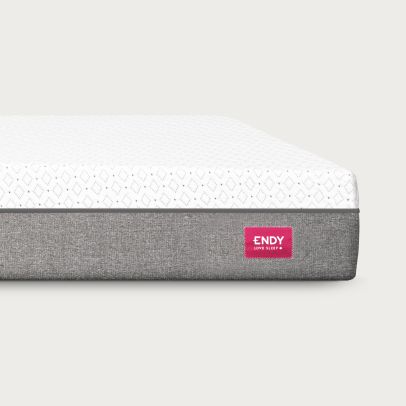
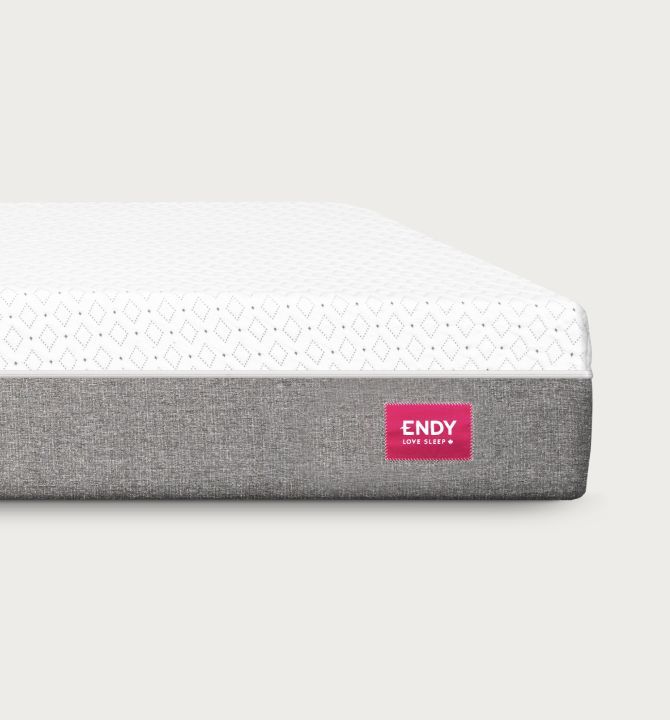
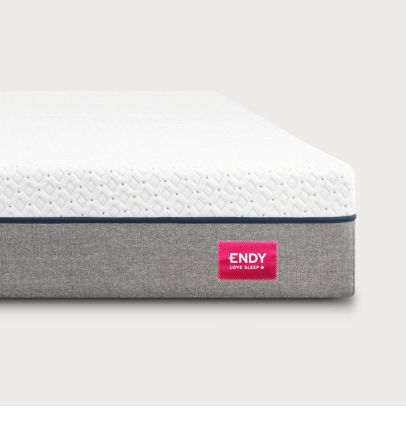
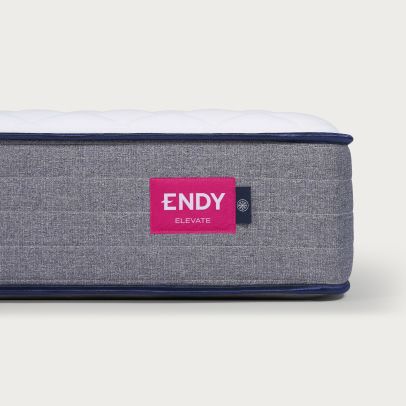
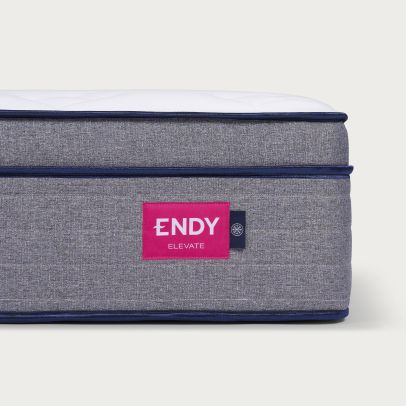
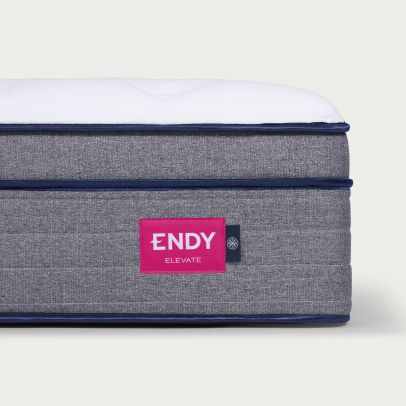
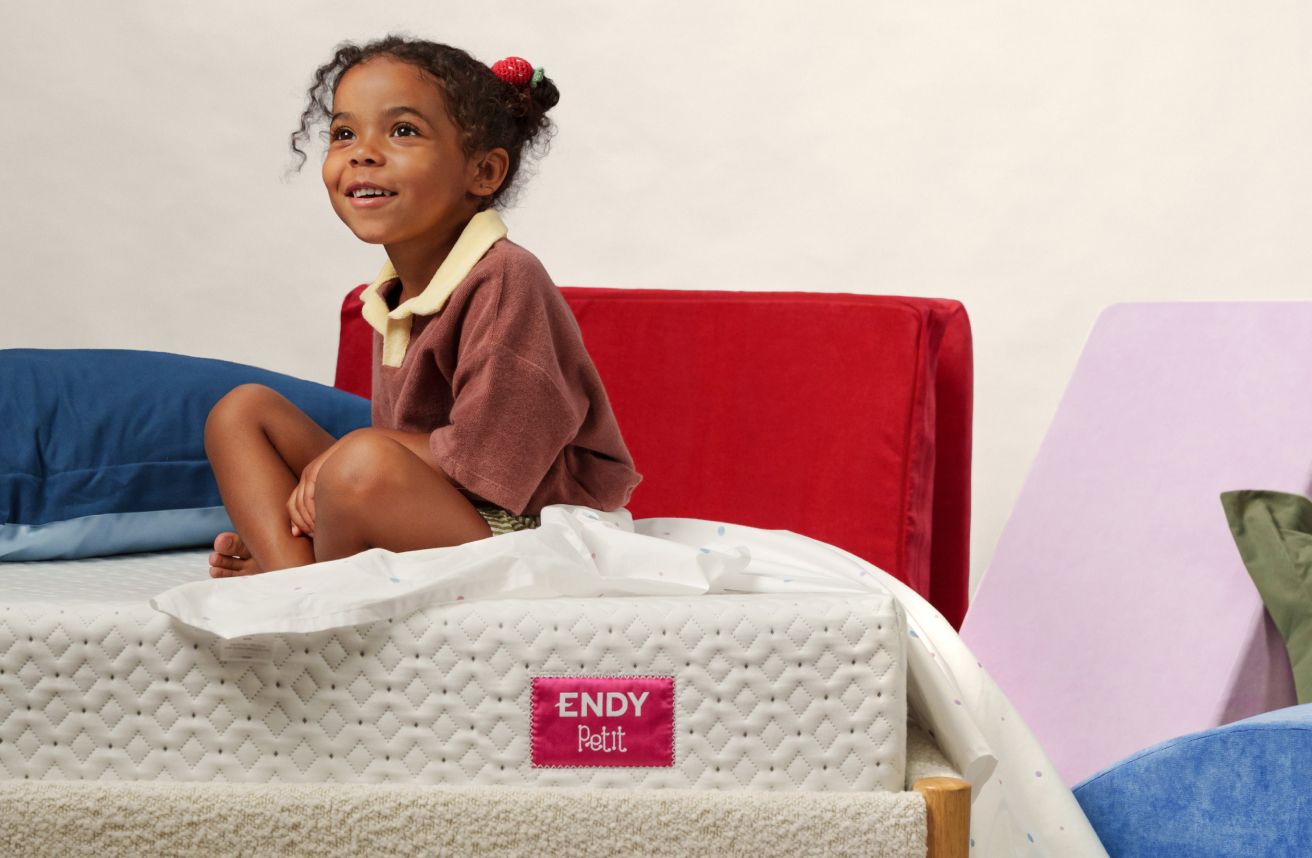
Endy’s Petit Kids Mattress has 18 cm (7 inches) of CertiPUR-US® certified foam with a medium-firm feel, designed to give a growing body optimal support. It comes in twin and full sizes, and features a 365-night trial and 15-year warranty.One important note: the Endy Petit Mattress is certified for children ages 5 to 12. If your child is transitioning at the younger end of the typical 3-to-5 age range, this may not be the right fit yet, so always check the certified age range on any kids’ mattress before you buy.
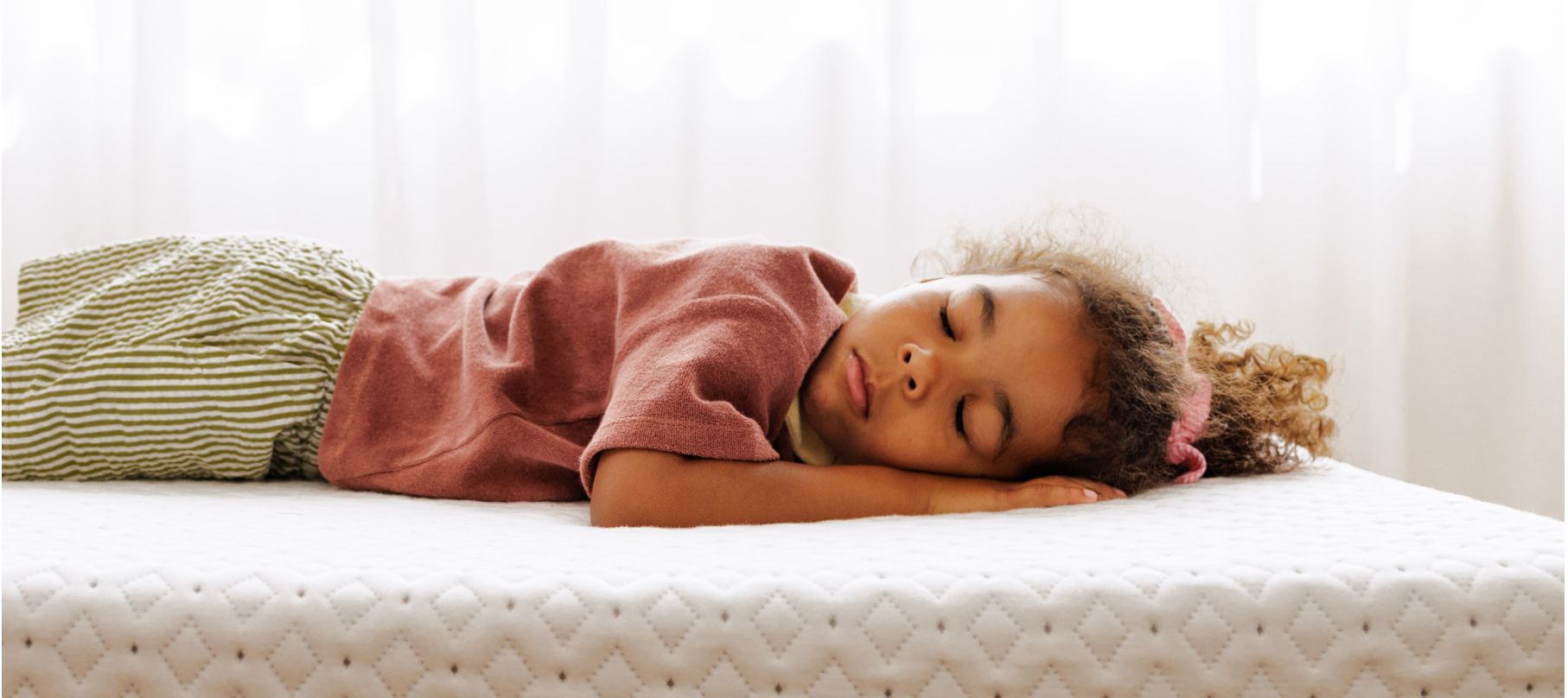
A medium-firm kids’ mattress that delivers the comfort and support growing bodies need, with the lasting quality parents can trust.Shop the Endy Petit Mattress
Frequently Asked Questions
Can I skip the toddler bed and go straight from a crib to a twin bed?Yes, it is an option. Many parents skip straight from a crib mattress to a big kid bed, as long as the room is set up safely for the bigger size, following the same guardrail and low-frame guidance above.Is it normal for my child to have trouble sleeping after the switch?Yes, an adjustment period is common when going from a toddler bed to twin, and kids typically settle within two to three weeks. Following a consistent bedtime routine during that stretch helps a lot.What size mattress does a twin bed use?A twin bed uses a twin size mattress measuring about 97 x 191 cm (38 x 75 inches), compared with about 71 x 132 cm (28 x 52 inches) for a toddler bed.Do I need a bed rail on a twin bed for my child?It’s recommended for kids under age 5, especially active sleepers, since a standard twin bed doesn’t come with one built in.What’s the difference between a toddler mattress and a twin mattress?Mainly sizing. A toddler bed uses a smaller mattress built for its frame, while a twin mattress is sized for the bigger frame underneath it. Many kids’ mattresses, including the Endy Petit, use a medium-firm feel designed to suit growing bodies across both sizes.
This guide offers general information and isn’t a substitute for pediatric advice. Every child’s safety needs are different, so check with your doctor if you’re unsure whether your child is ready for this transition.