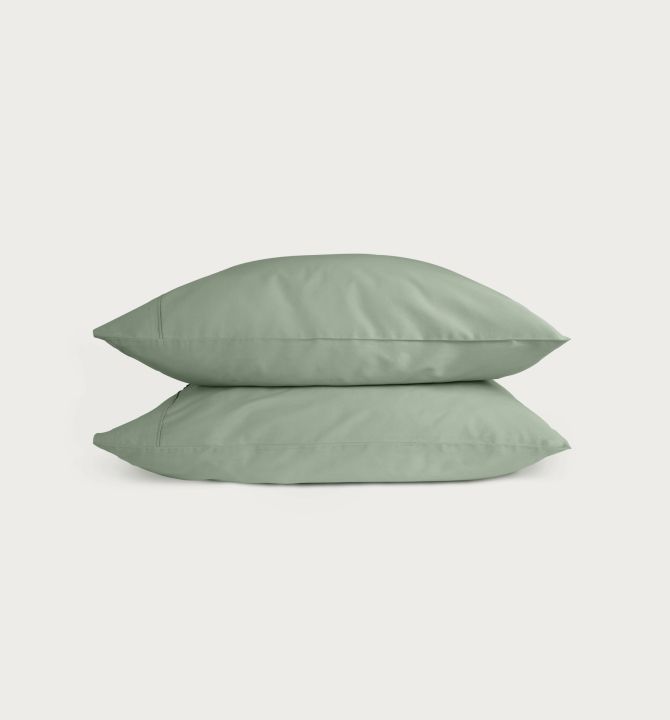
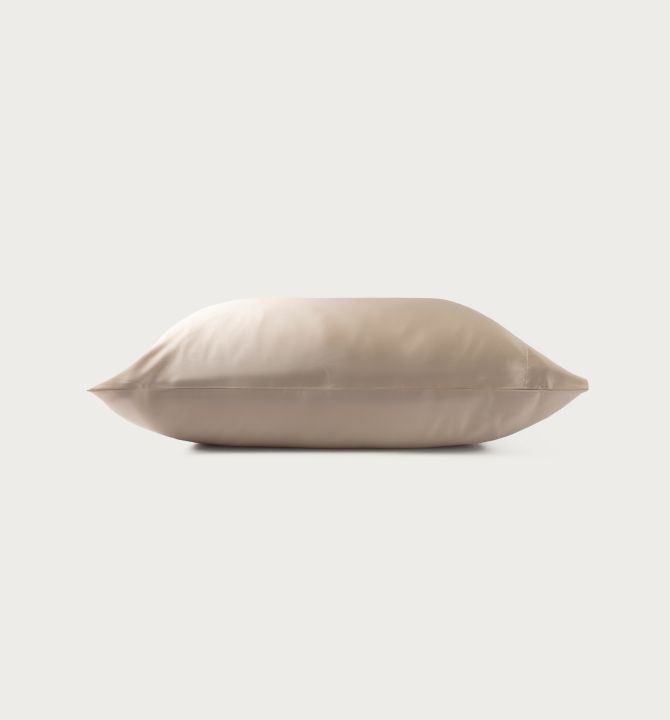
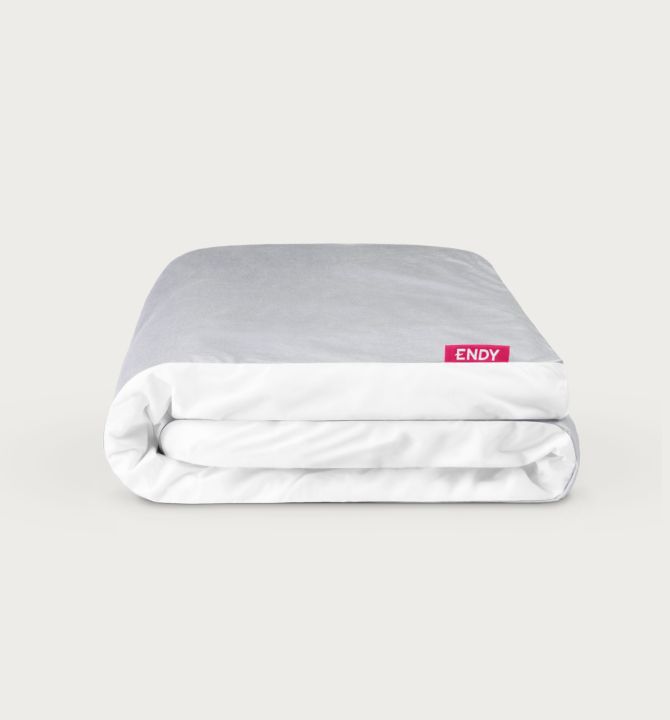
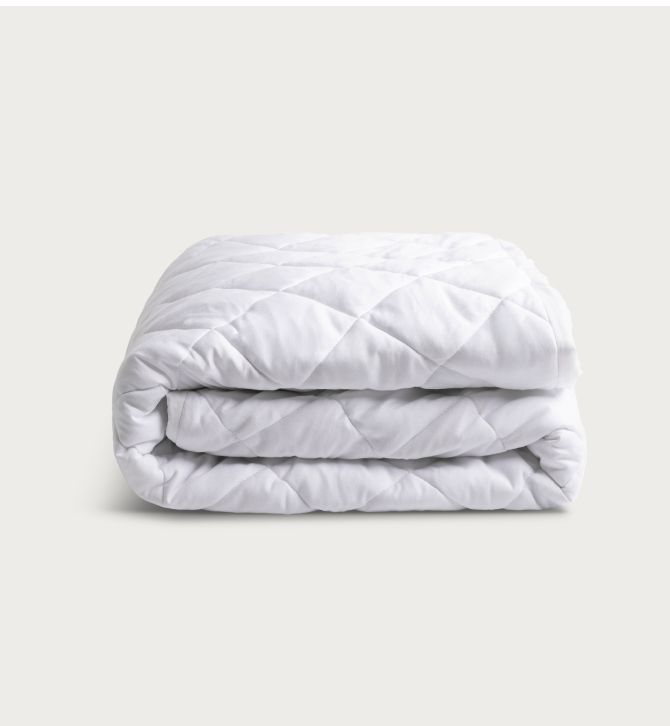
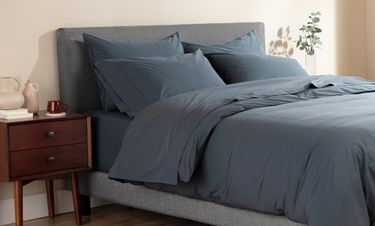
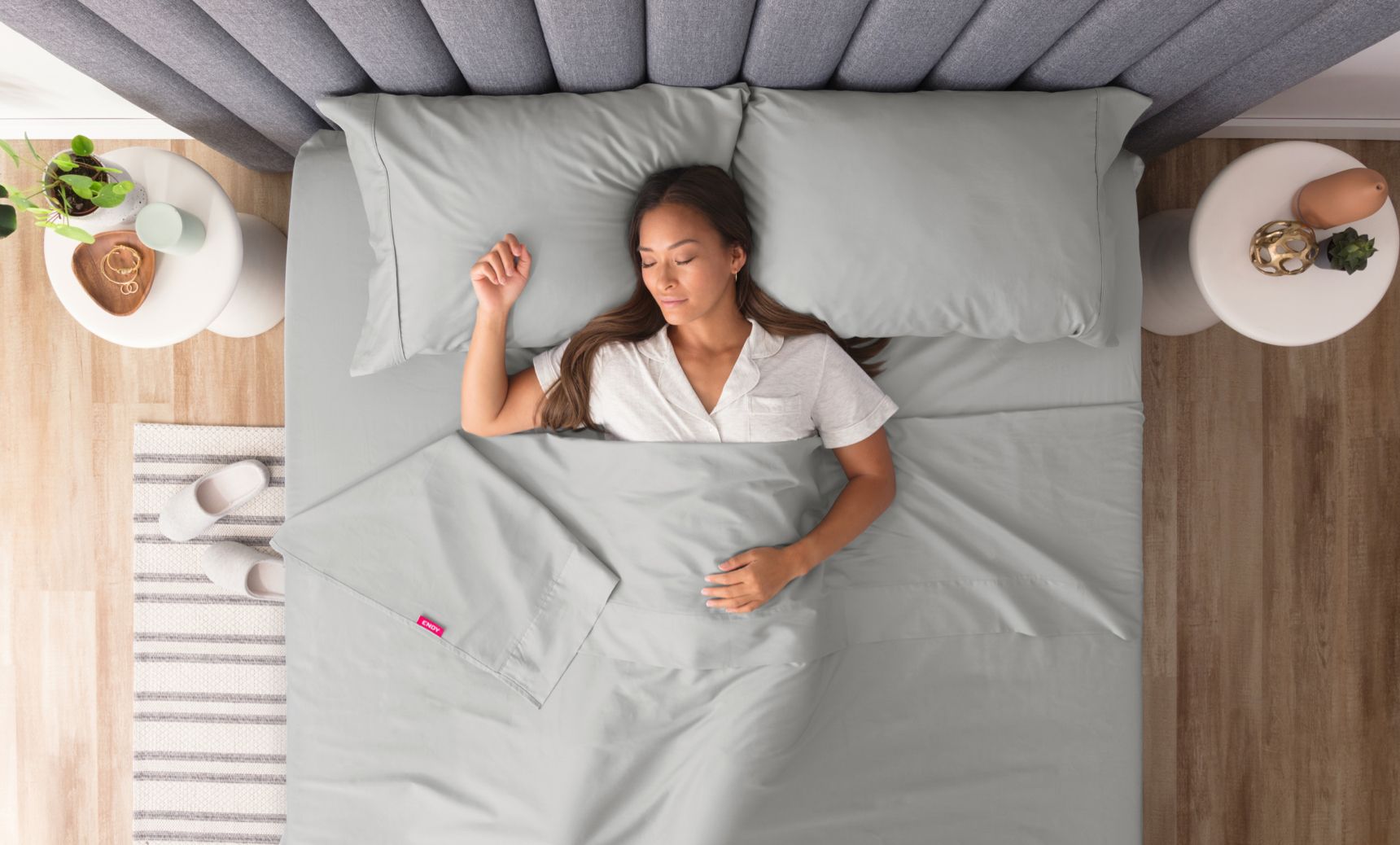
The best thread count for cooling sheets is between 200 and 400; below that range, sheets can feel thin, while above 500 to 600, a denser weave starts trapping body heat instead of letting it escape. The 200–400 range is the best place to start, but thread count alone won’t tell you how cool a sheet will feel. Weave and fibre matter as much as the number on the label. Percale, the crisper of the two common cotton weaves, usually sleeps coolest at 200 to 300 thread count, while sateen is smoother and denser and typically runs 300 to 600.This guide breaks down how thread count, weave, and material work together, plus why single-ply yarns often breathe better than multi-ply ones. You’ll also find shopping tips and cooling sheet picks such as Endy Percale Organic Cotton Sheets, so you can compare options and avoid paying more for a higher thread count that may actually sleep warmer.
Thread Count Isn’t Everything: Weave and Material Matter More
Thread count measures how many threads, vertical and horizontal combined, are woven into one square inch of fabric. It’s a useful data point, but by itself doesn’t determine whether a sheet sleeps hot or cool. Two sheets with the same thread count can feel completely different once you’re under them because weave and fibre affect how easily air moves through the fabric.
Percale vs. Sateen: Which Weave Sleeps Cooler?
Percale uses a simple one-thread-over, one-thread-under weave. That keeps the fabric matte, lightweight and open; this construction creates tiny gaps for airflow, and in this weave lower thread counts generally breathe better than ultra-high counts, which can feel tighter. Sateen uses more threads over than under, creating a silky-smooth feel with a slight sheen, but the tighter structure reduces airflow and limits the cooling effect compared with percale. Neither weave is better outright; it’s all about whether you’d rather feel crisp and cool or soft and warm.
What Are the Best Materials for Cooling Sheets?
Fibre affects cooling as much as weave. Long-staple cotton, including Egyptian cotton and Pima cotton, is combed into finer, stronger threads that breathe well without an inflated thread count.Bamboo sheets, made from bamboo lyocell, use bamboo fibres that are naturally breathable and help pull moisture away from the skin, which supports thermoregulation in hot or humid conditions, and a 400 thread count bamboo sheet can still deliver impressive softness compared with higher-thread-count cotton. TENCEL™ Lyocell shares that moisture-wicking quality, is made from wood pulp, and is one of the popular sheet fabrics for cooling.Linen sheets are in a class of their own: a naturally low thread count, usually just 80 to 120, yet extremely breathable because of the fibre’s structure, and that lower count reflects a more relaxed feel and breathable fabric rather than lower quality.
Single-Ply vs. Multi-Ply: Why a Higher Number Isn’t Always Better
Ply refers to how many strands are twisted together to make one thread. Single-ply is the standard for proper cooling sheets, since a finer thread lets air move through the weave.Multi-ply yarns, twisted together and then counted as separate threads, can inflate an advertised thread count without adding real quality. Inflated counts are a marketing tactic, so shoppers should check how the threads are counted. A well-made 300 or 400 thread count percale sheet in single-ply, long-staple cotton usually feels softer and sleeps cooler than an inflated multi-ply 1,000 thread count sheet, because higher numbers aren’t necessarily better quality.
A Cooling Sheet That Fits the Range: Endy Percale Organic Cotton Sheets
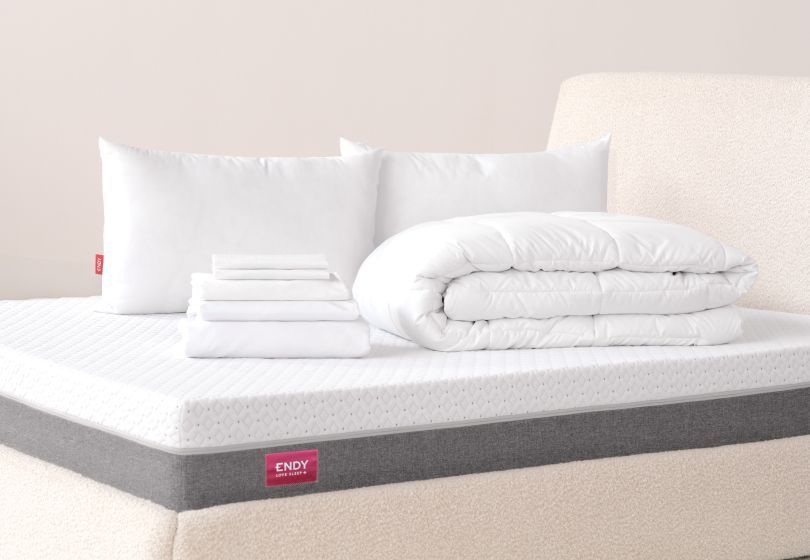
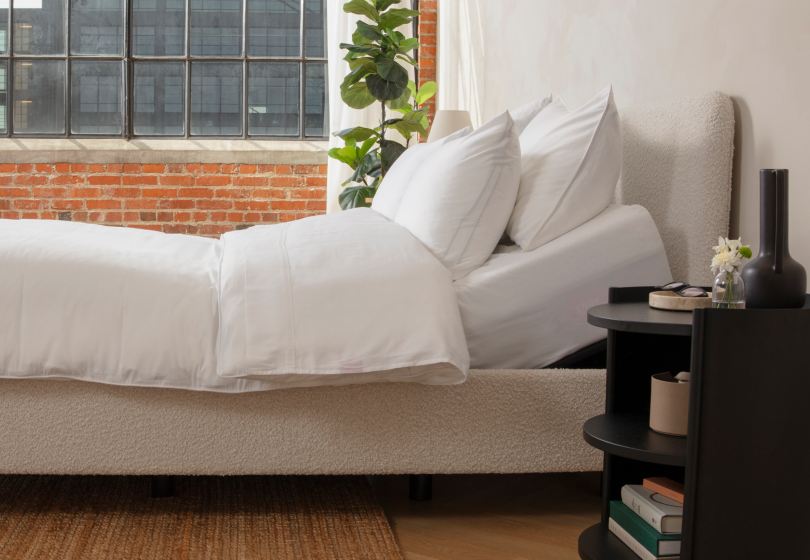
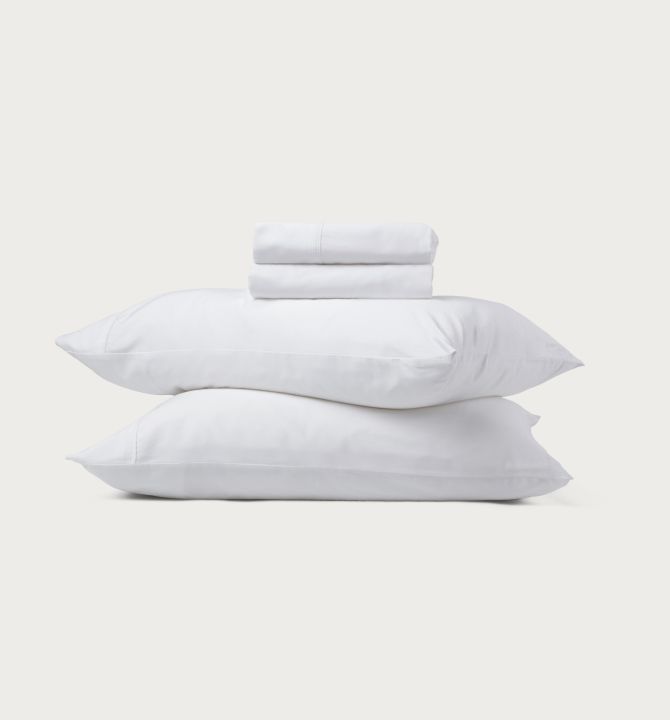
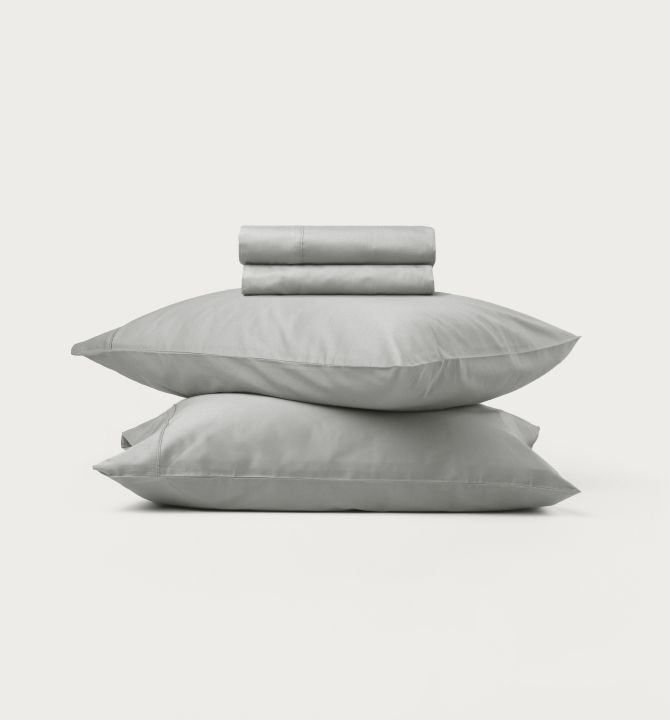
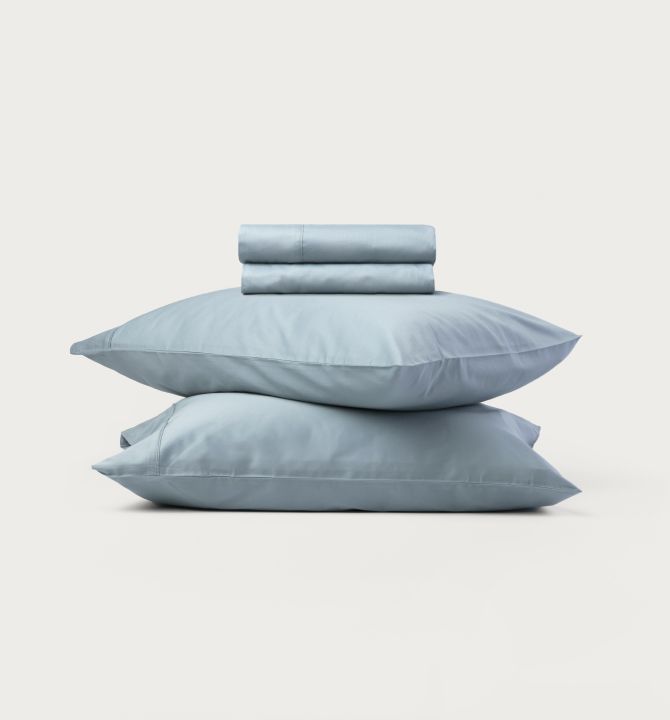
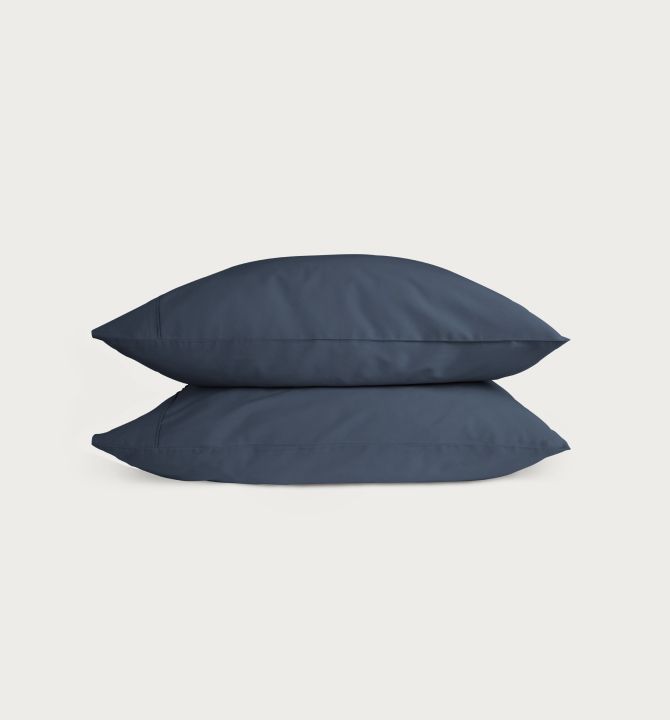
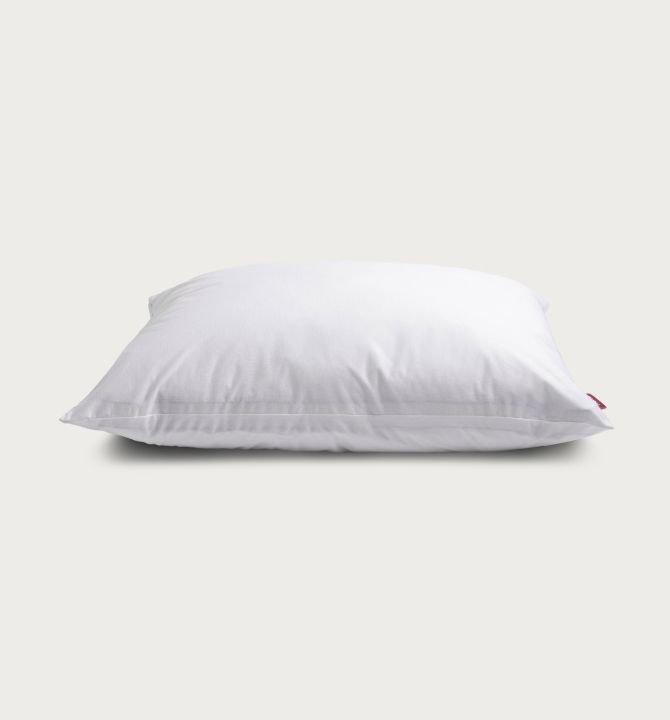
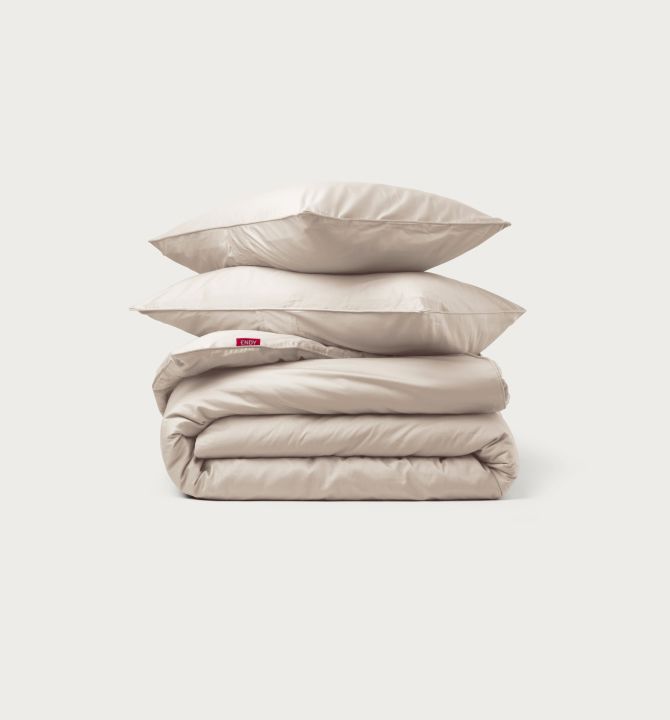
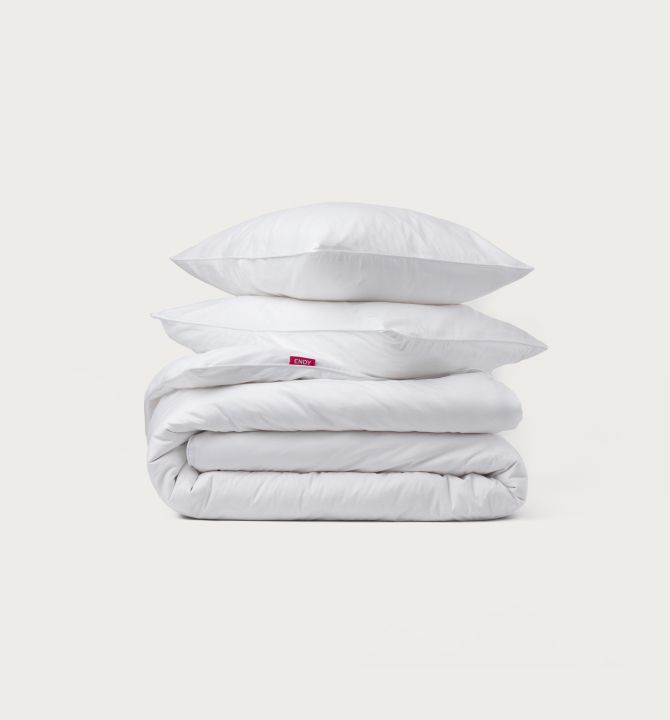
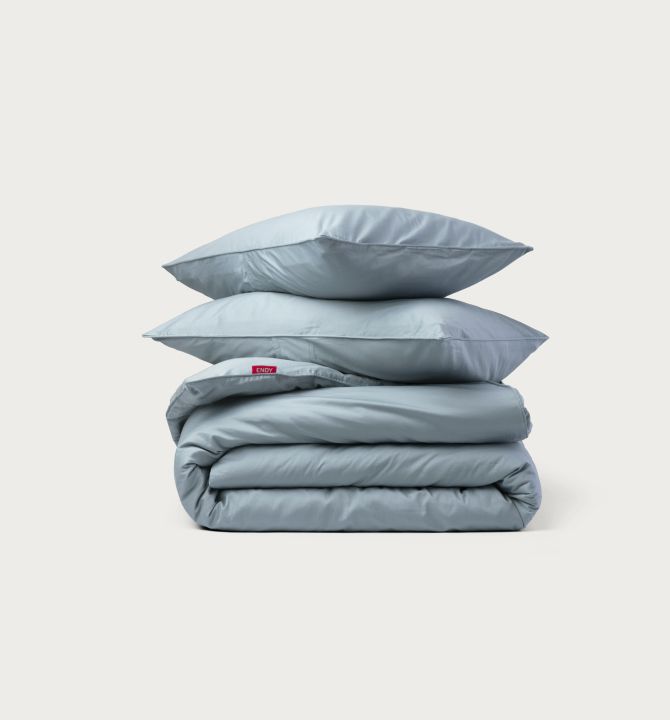
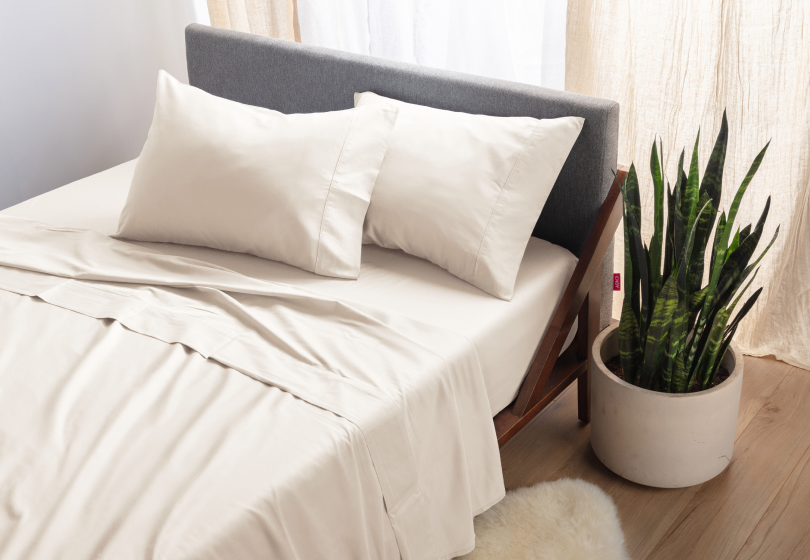
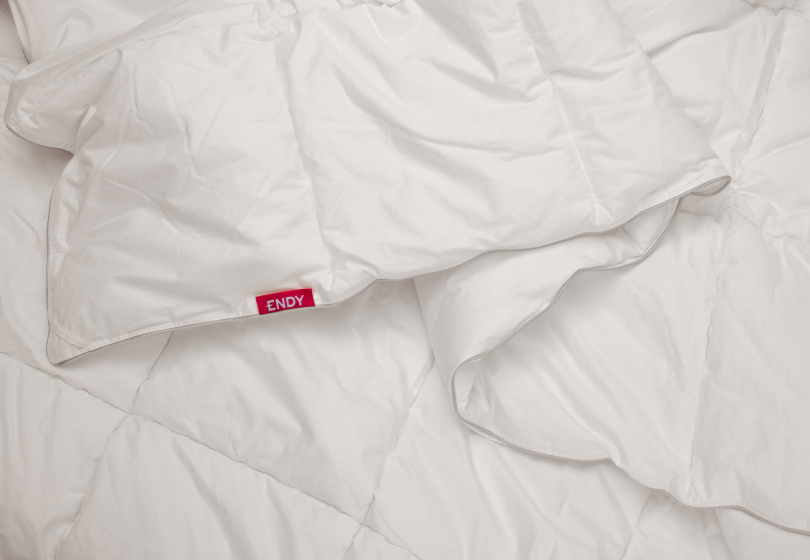
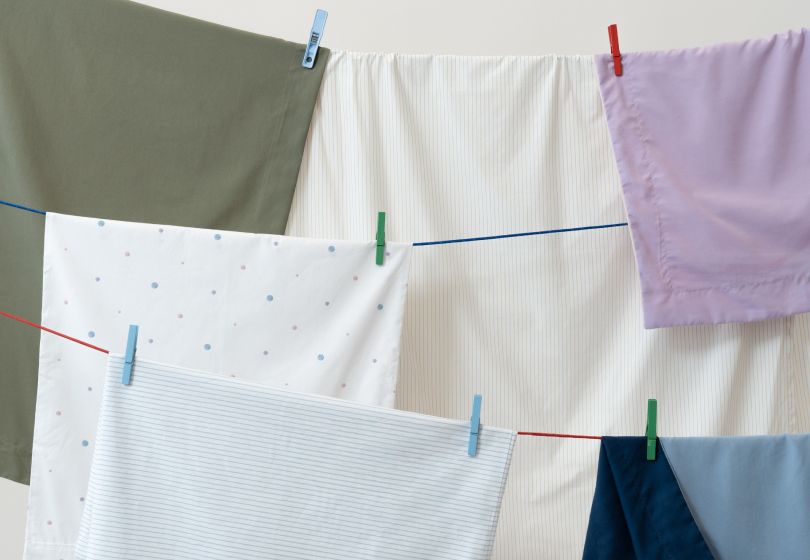
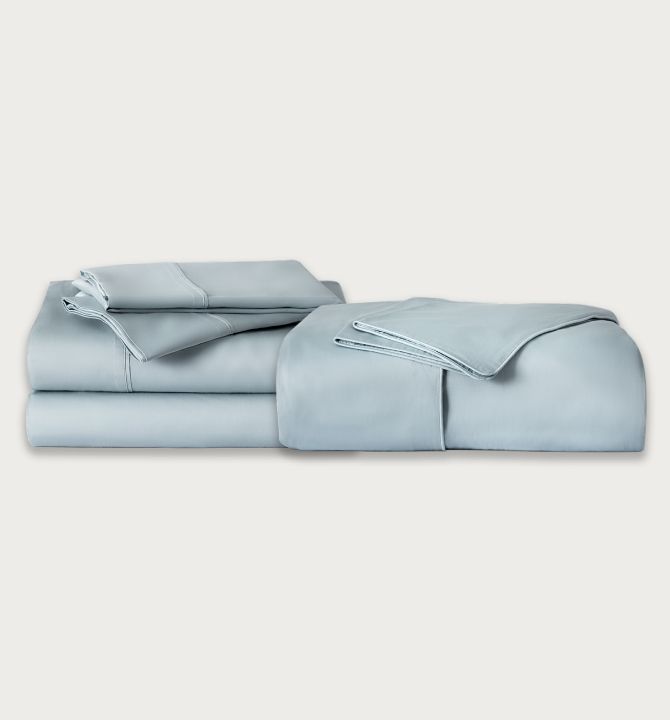
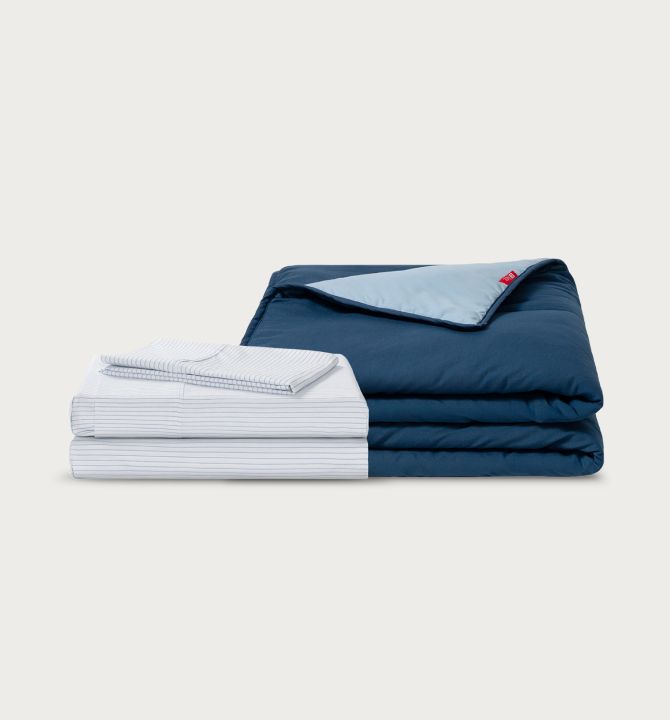
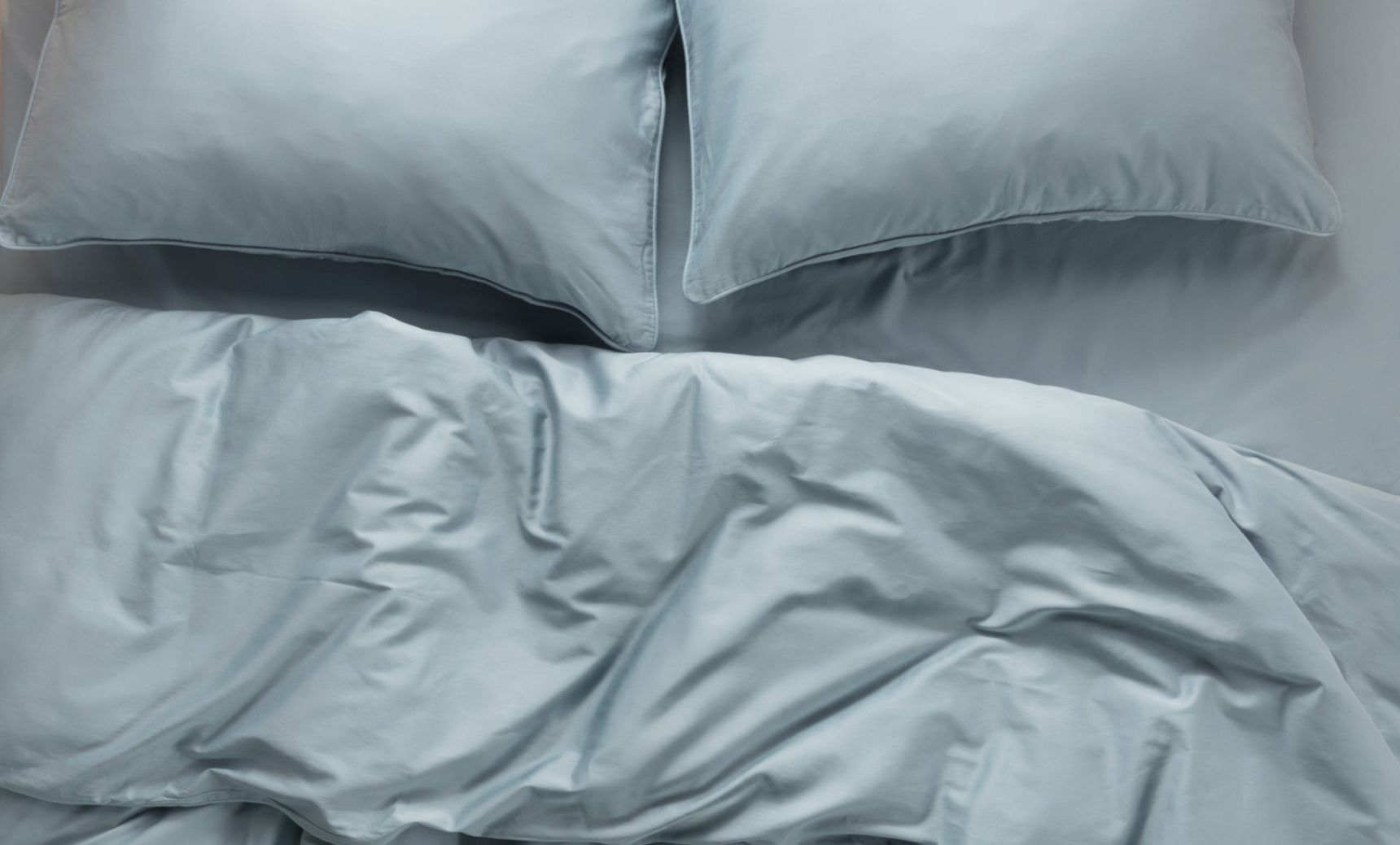
Looking for a practical option to keep you sleeping cool? Endy’s Percale Organic Cotton Sheets match the recommended range: a crisp percale weave, 100% organic cotton, and OEKO-TEX® Standard 100 certified fabric, which means the fabric has been independently tested against harmful substances.
Endy’s organic percale cotton sheets deliver night after night of crisp, cool comfort.Shop Endy Percale Sheets
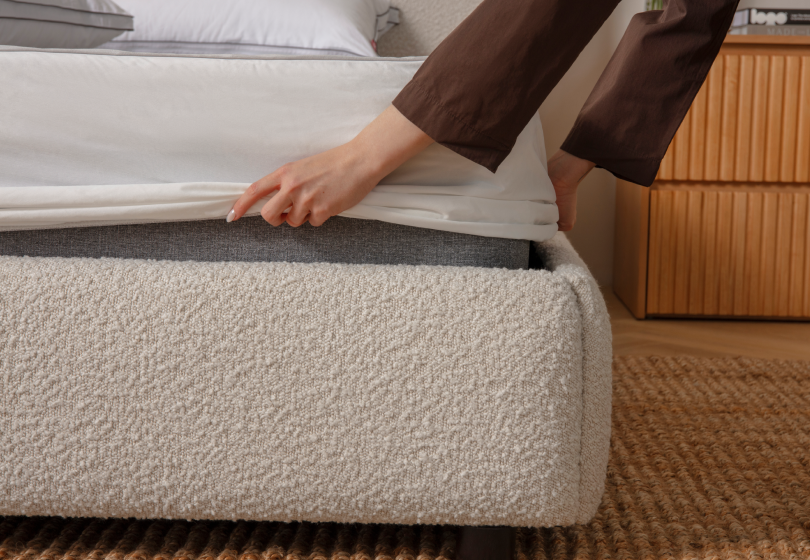
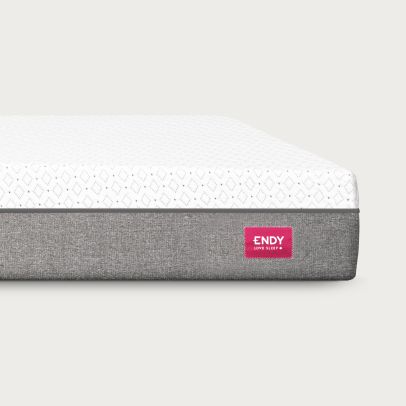
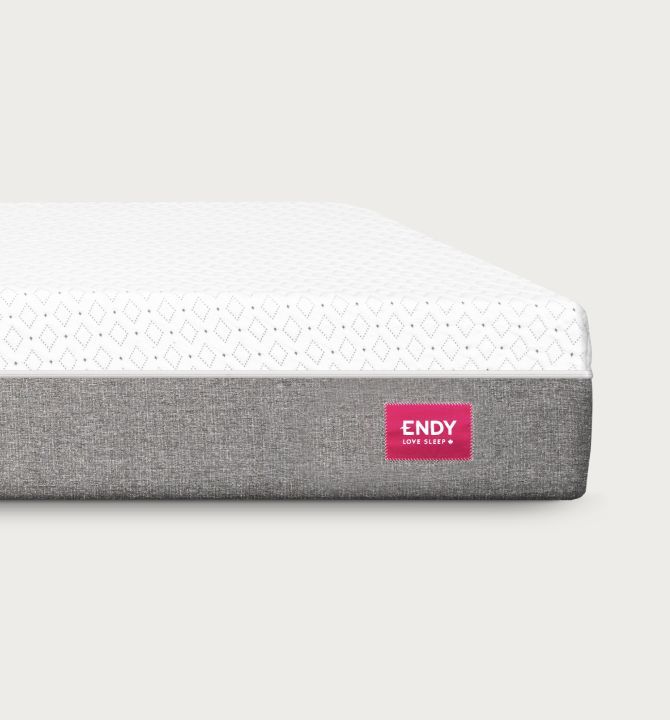
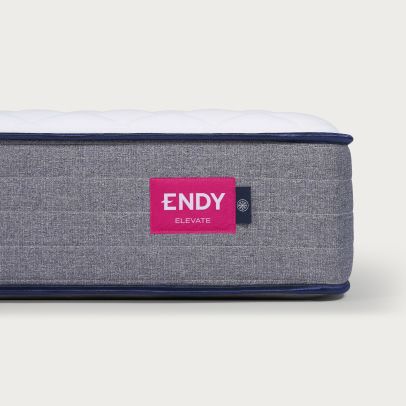
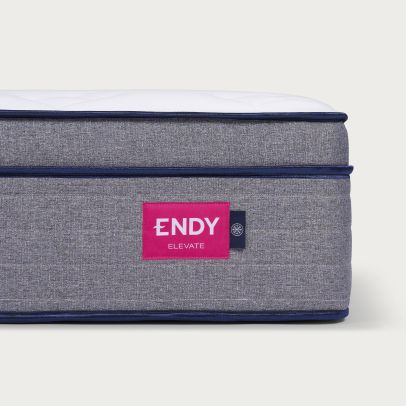
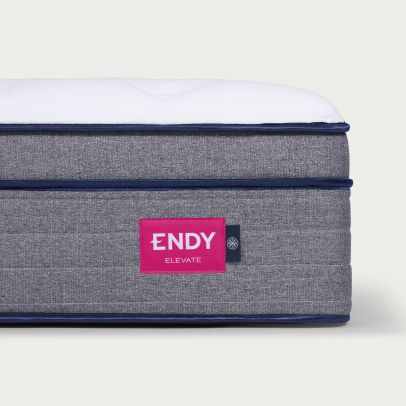
Percale cotton sheets can help with staying cool and may reduce perceived sleeping temperature by several degrees when combined with a breathable mattress setup. Percale is Endy’s most breathable weave, built for hot sleepers who want a matte, crisp finish over a warmer sateen feel. Since sheets pair with what’s underneath them, the Endy Hybrid mattress features coils that help with airflow and temperature-neutral foam, so the sheets and mattress work together as a complete cooling sleep system to limit overheating.
How Do You Shop for Cooling Sheets?
Here’s some guidance to help you buy cooling sheets with confidence. It’s easier to find affordable options when you focus on better material and sheet quality instead of inflated numbers. Here are a few things to keep in mind:
Confirm the thread count and the ply: a label that skips ply construction should be double-checked.
Choose your weave: percale for a crisp, breathable feel, or sateen if you run cold and prefer a smoother drape.
Look for a named fibre, since long-staple cotton, bamboo lyocell and linen are all better indicators of quality than the thread count number alone.
Check for OEKO-TEX® Standard 100 certification, which confirms a fabric has been independently tested for harmful substances.
Check what’s included in the set before you compare price, so you can find the best value for your budget and avoid wasting money.
It’s good practice to replace a well-made cotton sheet set every two to three years. Wash cooling sheets in cold or cool water, and avoid hot water and bleach. Follow gentle drying instructions for best results to help protect the fabric.
FAQ: Best Thread Count for Cooling Sheets
Is a higher thread count always cooler?No. Above a thread count of 500 to 600, the weave can trap heat instead of releasing it.What thread count do five-star hotels use?Most hotel-quality cotton sheets fall in the 200 to 400 range, in a single-ply weave, rather than the very high numbers cited in promotions.Are 1,000 thread count sheets worth it?Usually not. That high a number is almost always achieved with multi-ply yarns, which sleep warmer than a single-ply 300 or 400 thread count sheet.Are 100% cotton sheets the best for cooling?Long-staple cotton in a percale weave is one of the most reliable options, though bamboo and linen can perform just as well for moisture-wicking.What thread count are Endy Percale Organic Cotton Sheets?The Endy Percale Organic Cotton Sheets have a 300 thread count, in a single-ply, 100% organic cotton percale weave.What other factors should I consider to sleep cooler?Don’t forget that room temperature can affect how warm you feel. Sleep-health sources commonly cite about 15.5°C to 19.5°C (60°F to 67°F) as the ideal comfort range for most sleepers. If ongoing night sweats or a temperature-regulation issues doesn’t improve with bedding changes, consult your doctor.