Is TENCEL Breathable? The Hot Sleeper’s Guide to Sheet Materials
By Adelaide Prior
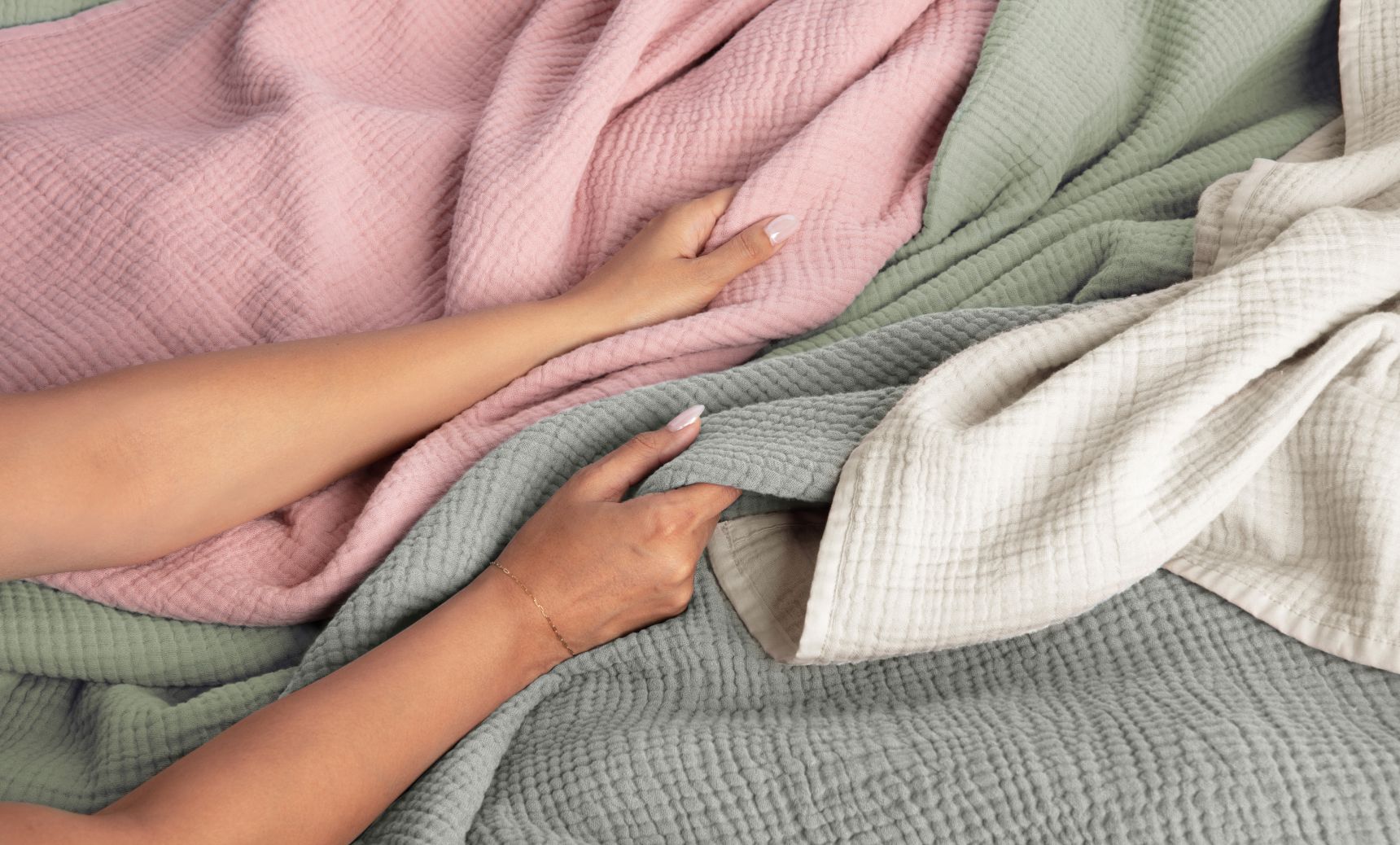
TENCEL is one of the most breathable sheet fabrics you can buy. Made from eucalyptus wood pulp through a closed-loop lyocell process, TENCEL fibers absorb and release moisture faster than standard cotton, which is why it’s such a common recommendation for hot sleepers and anyone dealing with night sweats. In this cool sheets material guide, we’ll break down the science behind TENCEL’s cooling properties.
Why Does TENCEL Sleep Cooler Than Cotton?
If you’ve ever woken up sticky at 3 a.m., you already know not all fabrics are created equal. Some trap heat. Some trap moisture. TENCEL barely does either, and that’s why it’s so highly recommended for hot sleepers.TENCEL fabric is built around a microscopic fiber structure that pulls moisture away from your skin instead of letting it sit there. That moisture-wicking property is what makes tencel sheets feel cool and dry in hot weather, while cotton sheets can feel damp once you start sweating.
What Is TENCEL Fabric?
TENCEL is a branded form of lyocell fabric, trademarked by the Austrian company Lenzing. It has a smooth texture and is a semi synthetic fiber — not fully natural like cotton, but not a synthetic fiber like polyester either.
How Is TENCEL Made?
TENCEL is made from wood pulp sourced from eucalyptus trees grown in responsibly managed forests. Lenzing states over 99% of that wood comes from FSC-certified, sustainably managed forests.The pulp goes through a closed loop production process that dissolves it, spins it into fiber, then recovers and reuses the solvent instead of discharging it as waste — Lenzing reports roughly 99% solvent recovery. That eco-friendly production process is a big reason TENCEL keeps showing up in conversations about sustainable fashion, sustainable alternatives, and eco conscious consumers who still want a soft, high end fabric.
TENCEL vs. Lyocell vs. Modal: What’s the Difference?
TENCEL isn’t a different fiber from lyocell — it’s Lenzing’s brand name for it. Generic lyocell fabric is made the same way, just without the trademark or quality control.Modal is lyocell’s close cousin, made from beechwood instead of eucalyptus, and it shows up more in tencel clothing and t-shirts than bed sheets. Rayon is an older, related semi synthetic fiber made with a less eco friendly production process and more toxic chemicals.
Is TENCEL or Cotton More Breathable?
Both TENCEL and cotton are natural fibers trusted in warm climates, but they perform differently. TENCEL fabric is naturally breathable thanks to its fiber structure, and it reportedly absorbs moisture up to 50% faster than cotton — moving sweat away from your body instead of letting it linger.TENCEL is also about twice as soft as cotton out of the package and tends to stay soft longer, while cotton sheets can feel rougher with age. Cotton still breathes well, especially when in a percale weave, but when it comes to pure moisture management, TENCEL offers better performance.Per Sleep Foundation, what TENCEL fabric is and how it compares to cotton largely comes down to this moisture-handling difference, not just softness.
Percale cotton and TENCEL are usually ranked as the top two cooling options among natural fabrics, with bamboo lyocell close behind. The trade-off: TENCEL and bamboo need cooler wash temps and low-heat drying, while percale cotton is comparatively low-maintenance.
Does Endy Sell TENCEL Sheets?
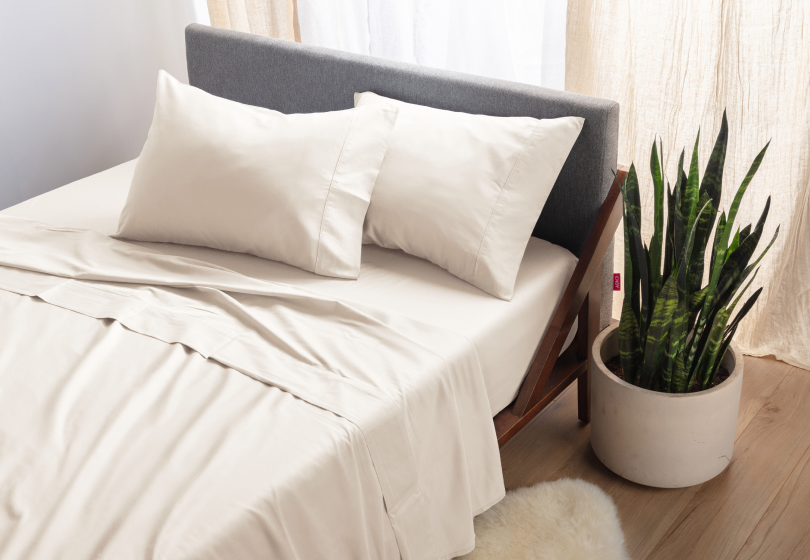
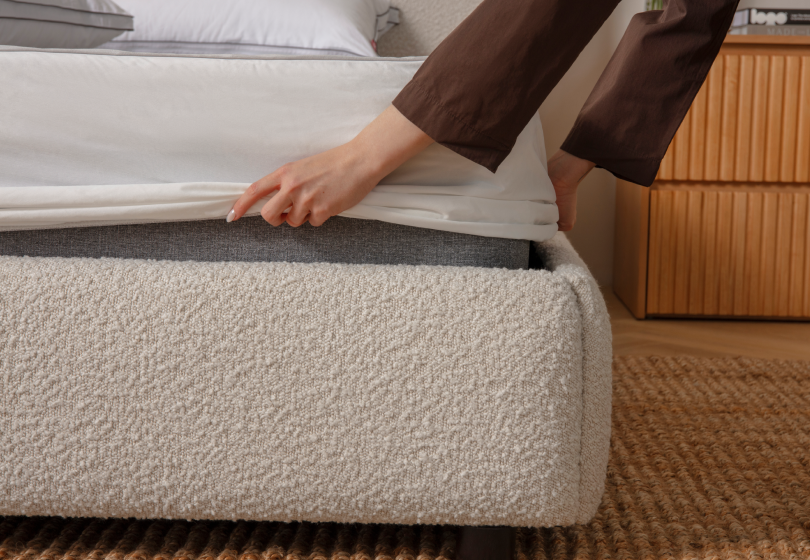
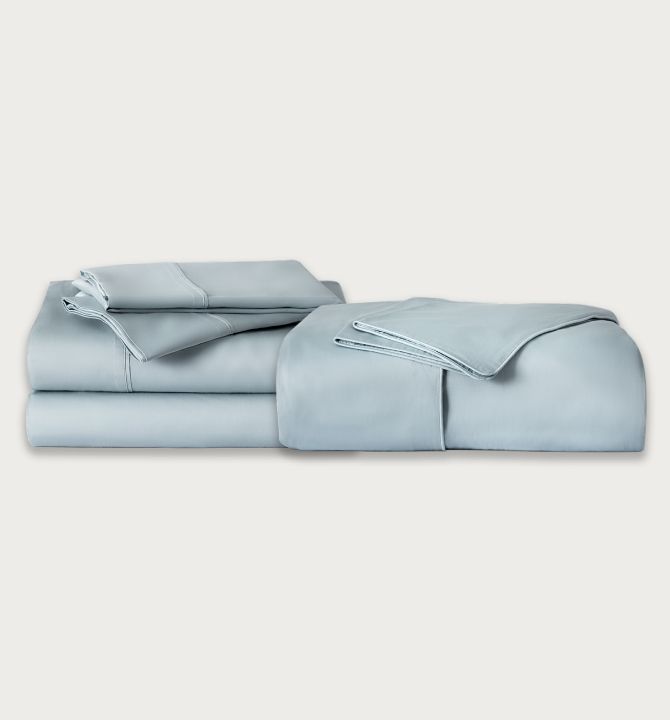
No, Endy’s sheet line is 100% organic cotton, not TENCEL. Our Organic Cotton Sheets are available in both sateen and percale, and percale cotton is a great choice for hot sleepers.Percale’s tight, one-over-one-under weave is one of the most breathable cotton constructions available. Our percale sheets are made with a 300 thread count built for airflow over density. If you want TENCEL fiber specifically, look for a product labeled lyocell. If you want a breathable, low-maintenance natural fabric that’s OEKO-TEX certified for textiles free of harmful substances, Endy’s percale sheets are worth a look.
How Do You Care for TENCEL Sheets?
Wash TENCEL sheets in cold water, around 30°C or below, and dry on low heat or line dry when you can. You should also skip the fabric softener — it coats the fibers and blunts the moisture wicking properties you paid for.Endy’s organic cotton percale sheets have simpler care instructions: machine wash in cold water, tumble dry low, iron as needed and skip the bleach.
Frequently Asked Questions
Is TENCEL good for hot weather? Yes. TENCEL’s fiber structure gives it a naturally breathable, cooling effect that makes it a smart choice for hot weather and warm climates.Does TENCEL make you sweaty? Not typically. TENCEL wicks moisture away from the skin and helps prevent heat and moisture buildup, which is why hot sleepers and people with sensitive skin tend to prefer it over synthetic fabrics.What are the disadvantages of TENCEL? It usually costs more than basic cotton, shrinks about 3–5% on the first wash, and needs cooler wash temps and lower heat than many other materials.Does TENCEL shrink? Yes, typically 3–5% on the first wash, with minimal shrinkage after — one more reason to follow the care instructions above.*A note on night sweats: breathable bedding may help with everyday overheating, but persistent or severe night sweats — including those linked to menopause, medication, or an underlying condition — are worth discussing with a doctor rather than solving with sheets alone.