8 Signs You Should Replace Your Bed Frame, and Why a Supportive Base Matters
By M H Dodick
Your frame is your mattress’s foundation. If it can’t hold your mattress flat and stable, your mattress can’t give you the support it was built for, and it may wear out sooner. That’s why you should replace your bed frame when it creaks or wobbles even after you tighten the hardware, when the slats or centre support bow or crack, or when your mattress starts to dip even though it isn’t old.For Canadian mattress shoppers comparing support systems, this guide explains the replacement signs to watch for, why base support affects sleep quality and mattress performance, how long frames tend to last, how Canada’s climate can affect them, when a repair is enough, and what to look for if you need a new frame.Key takeaway: Condition matters more than age. Give your frame a quick once-over every time you rotate your mattress.
8 Warning Signs It’s Time to Replace Your Bed Frame
1. Does your bed still creak after you tighten it?
Persistent creaking means the joints are loosening faster than tightening can fix them. Sleeping on an all-foam mattress? Foam doesn’t squeak, so the frame is the likely source. A noisy frame is a recipe for poor sleep: the Sleep Foundation’s notes that bed noises can keep you from deep sleep.
2. Is your frame wobbling or shifting?
A frame that sways when you roll over has lost stability at its joints. Look for stripped screw holes, bolts that won’t stay tight and legs that don’t sit level. Wobble stresses every connection.
3. Are the slats, side rails or centre beam sagging?
Bowed slats, rails or a centre beam mean the frame isn’t carrying weight properly. If you notice sagging in the middle, or the centre legs no longer touch the floor, your mattress is losing support where it needs it most.
4. Can you see cracks, splits, bent metal or rust?
Damage at load-bearing points (joints, rails, welds and slat brackets) undermines the frame’s structural integrity. Failure is a potential risk. If any load-bearing part of your frame is cracked, you should replace it.
5. Is your mattress dipping before its time?
Visible sagging in a fairly new mattress often starts underneath. A sinking centre or wide slat gaps let the mattress dip, causing uneven wear and signs of wear that point to a mattress problem. Before you blame your mattress, check the frame first.
6. Is your sleeping quality worse on a mattress that should still be fine?
Waking up stiff on a mattress that’s still in good shape? Look underneath. A dipping base can change how your mattress cushions pressure points like your hips and shoulders, making it harder to keep your spine aligned.In research on how replacing an older sleep system affects sleep quality, people whose beds were on average 9.5 years old reported better sleep quality and less discomfort after 28 days of sleeping on new bedding systems. That study tested complete bedding systems, not frames alone, but indicates that poor sleep can have a structural cause.
7. Does your frame still fit your mattress?
Upgraded your mattress size or type? Check slat spacing, centre legs and weight capacity against its requirements. Older frames often have slats too far apart for a foam or hybrid mattress.
8. Is it older and showing more than one sign of “weakness”?
Every frame sustains wear and tear, so age alone isn’t the issue. But an older frame showing two or more of these warning signs is reaching the end of its useful life.
Why Does a Supportive Base Matter?
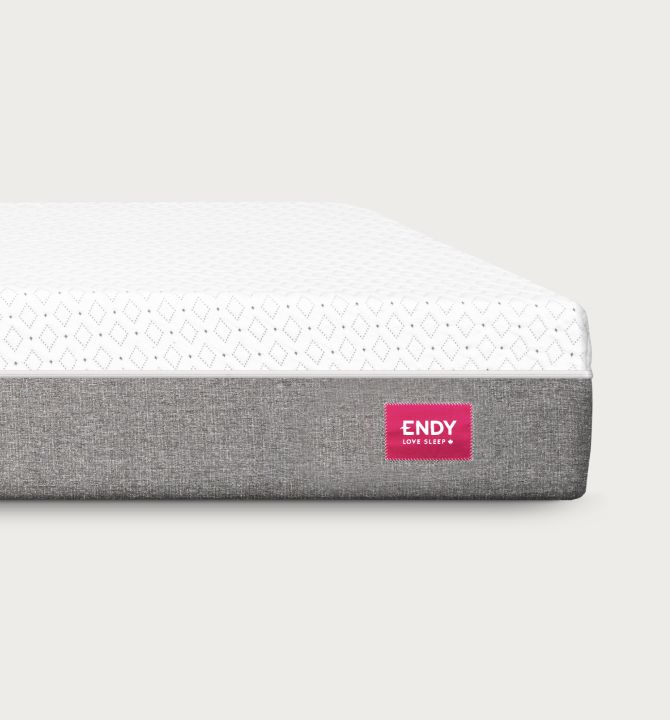
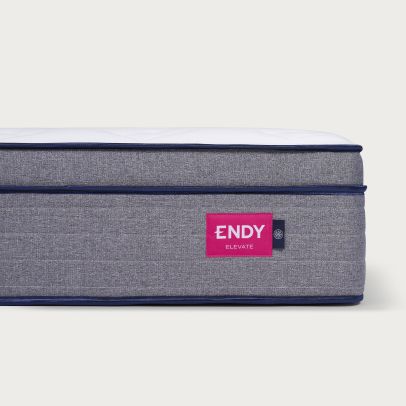
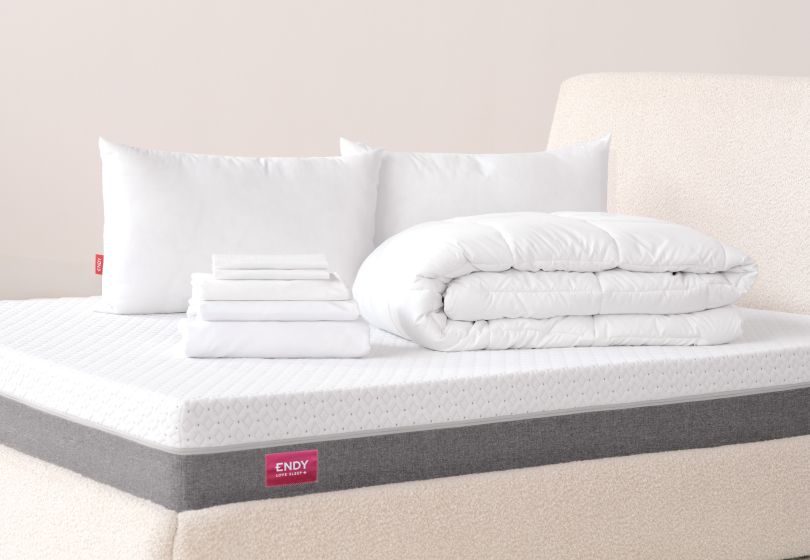
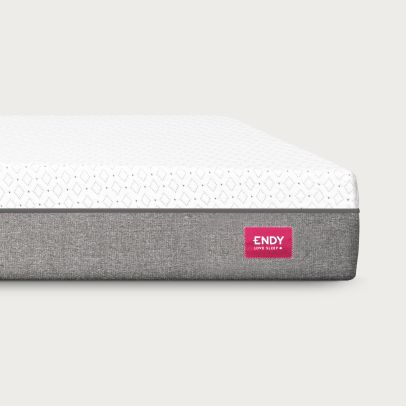
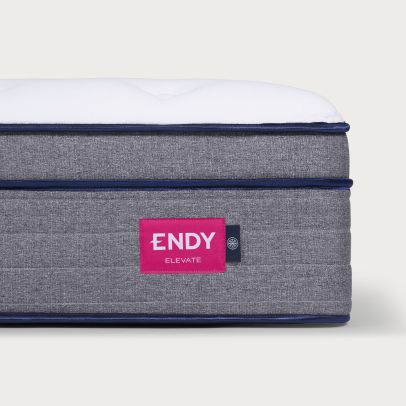
Quality sleep is “bottom up”: your mattress is only as supportive as what’s underneath it. The Sleep Foundation’s guide to bed frame types and how to choose one explains that a good frame spreads your weight evenly, helping prevent sagging and extending your mattress’s lifespan. Open slats also let air circulate, reducing the risk of mould and mildew.When the base bows, your mattress has to compensate. It can feel soft in the middle, lose pressure relief at your hips and shoulders and show early signs of wear. The Endy® Mattress pairs pressure relief with high-density support foam built to last, but it still needs a flat, supportive surface to do its job.
How far apart should slats be?
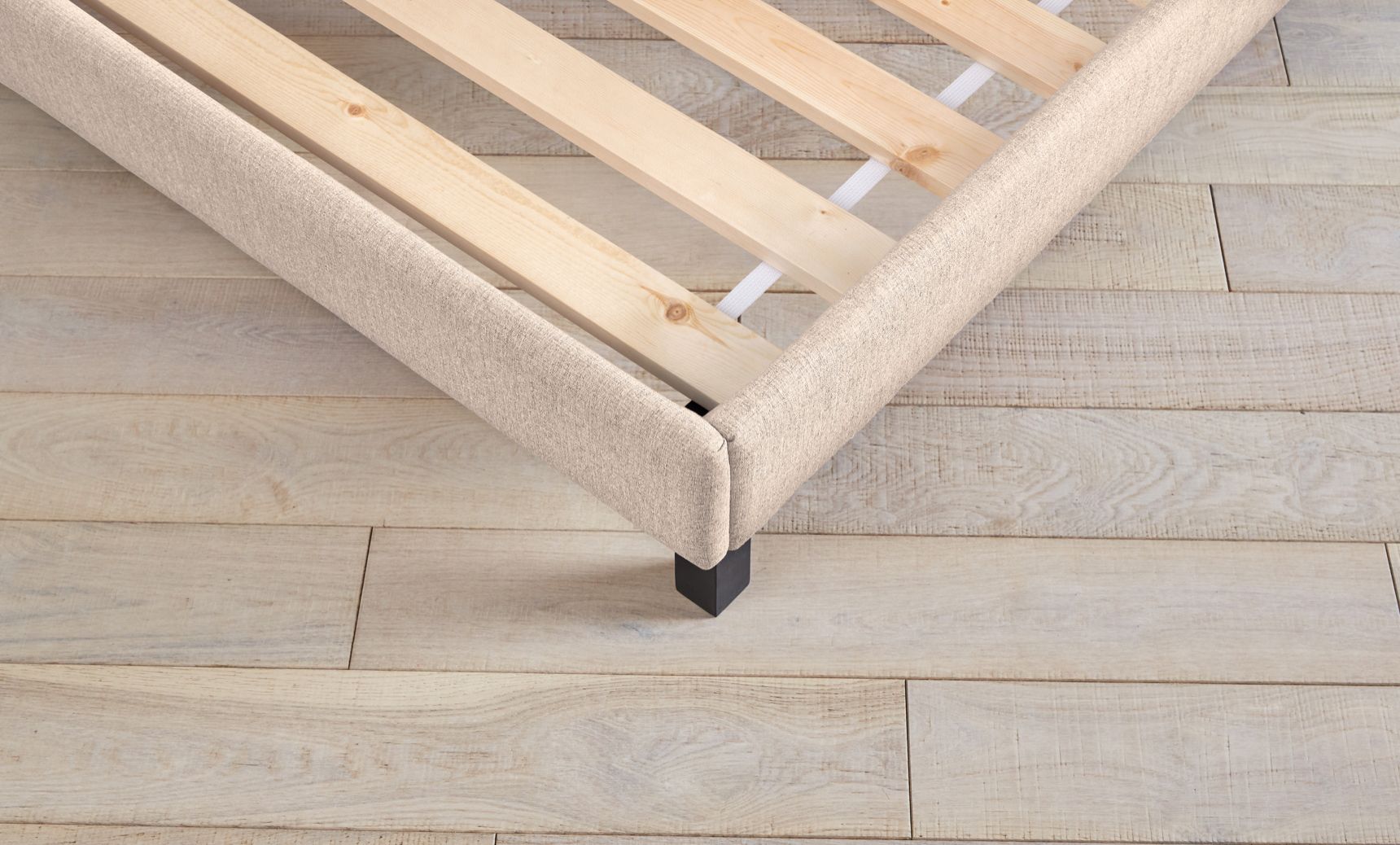
For Endy mattresses, slates should be no more than 3 in. apart. As specified under “Not Covered” in Endy’s mattress warranty, damage from an inappropriate foundation is excluded. The mattress needs a raised frame that supports its entire bottom surface, with “no gaps larger than 3 inches.”Queen and king frames need a centre rail with legs that reach the floor. Without one, the middle of the mattress, where two sleepers’ weight meets, has nothing holding it up.
Can your frame handle the load?
The weight capacity should cover your mattress plus everyone sleeping on it, with room to spare. A frame that shifts whenever someone rolls over adds noise and motion that interrupt restful sleep.
How Long Does a Bed Frame Last?
Most bed frames last about seven to 15 years depending on material and build quality, but, as we said: condition matters more than age. How long your bed frame will last comes down to a number of factors, so treat these ranges as estimates.
Frame typeTypical lifespan (estimate)What wears out firstSolid woodSeven to 15 years; well-built pieces can last 20+Joints and hardware loosen; slats can bow or splitEngineered woodFive to eight yearsScrew holes strip; panels can swell if they get dampMetal frameAbout 15 yearsBolts loosen; welds can crack; rust at jointsUpholstered frameVaries with the frame insideInner frame joints, slats and fabricPlatform bedDepends on the materialSlats and centre supportAdjustable baseVaries; the warranty length is often a good indicatorMoving parts and motor
Does Canada’s Climate Affect Your Frame?
It can. Wood swells in humid air and shrinks in dry air. Dry heat in winters and muggy summers can gradually loosen joints in a wooden frame, and older wooden frames can also harbor dust mites, bed bugs, or mold if the area under the bed stays damp or dusty.Health Canada recommends keeping indoor relative humidity between 30 and 50 per cent and keeping beds away from outside walls for airflow. Keeping the frame stable, ventilated, and dry helps prevent moisture retention that leads to mold. Notice a musty smell under the bed or keep waking up with a bothersome nose? Check for damp or mould and other allergens. Health Canada links damp, mouldy homes to eye, nose and throat irritation.Quick tip: re-tighten your hardware as seasons change and after every move, since disassembling a frame stresses every joint.
Should You Repair or Replace Your Bed Frame?
How can you check your frame in 10 minutes?
Strip the bed and lift the mattress off.
Check every bolt, screw and bracket, and tighten anything loose.
Look along the slats, side rails and centre beam for bowing or cracks.
Confirm the centre legs touch the floor.
Look for rust, mould or moisture damage.
Reassemble, then press down at several points to test stability with your hand, and watch whether the mattress can recover its shape within about 30 seconds once pressure is removed.
Pro tip: If your mattress dips, inspect the frame on its own before blaming the mattress.Repair may be enough if:• A single bolt or screw is loose.• One slat is cracked and easy to swap out.• The rest of the frame is straight, solid and level.Replace it if:• A load-bearing part (rail, leg, weld or centre beam) is cracked or bent.• You’ve got trouble in more than one spot.• Joints keep failing after you repair them.• You can’t get the frame level again.What Should You Look for in a Replacement Frame?Look for slats no more than 3 in. apart, a centre support on larger frame sizes, enough weight capacity, sturdy materials, useful under-bed clearance and a quiet, stable build.
Which Endy Bed Frame is Right For You?
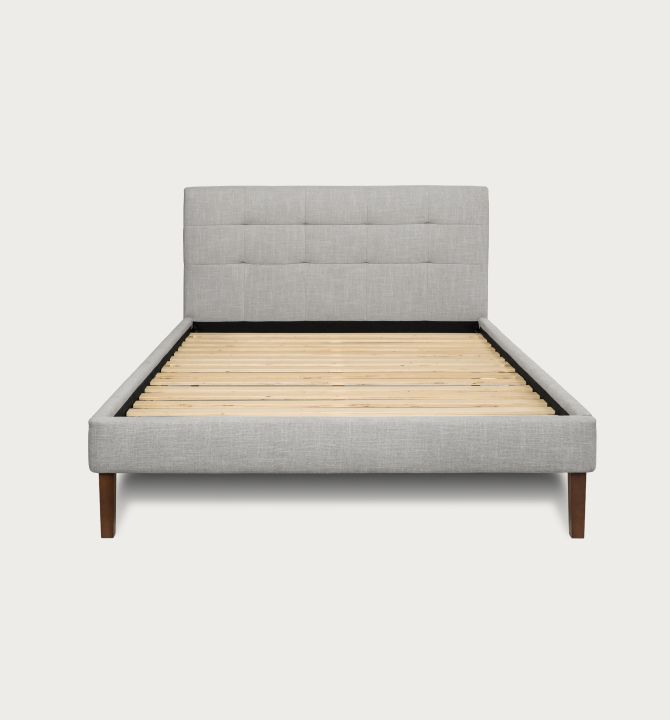
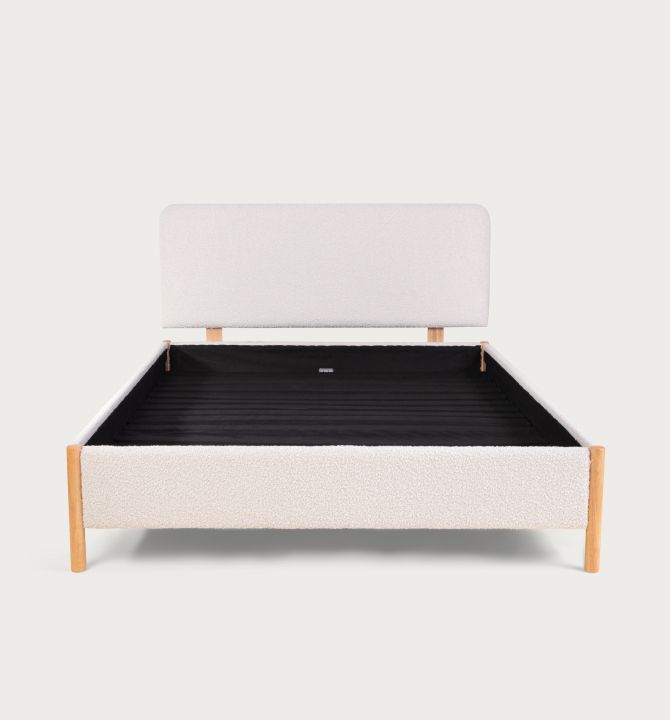
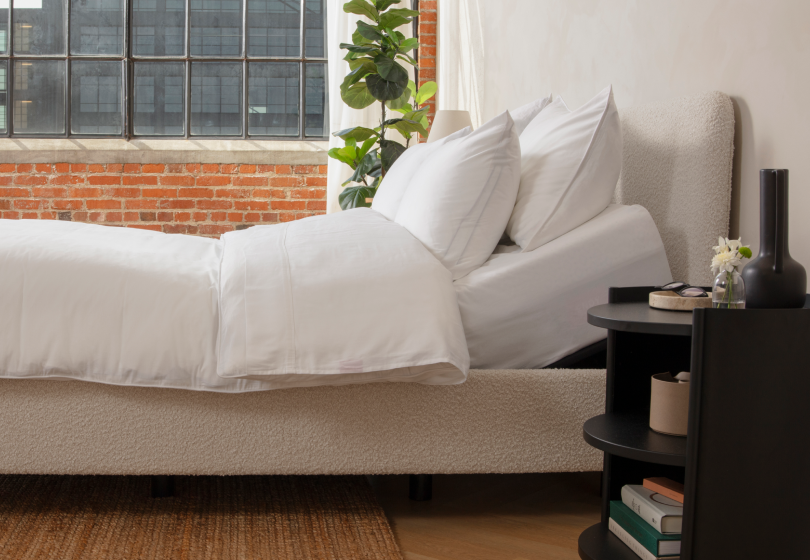
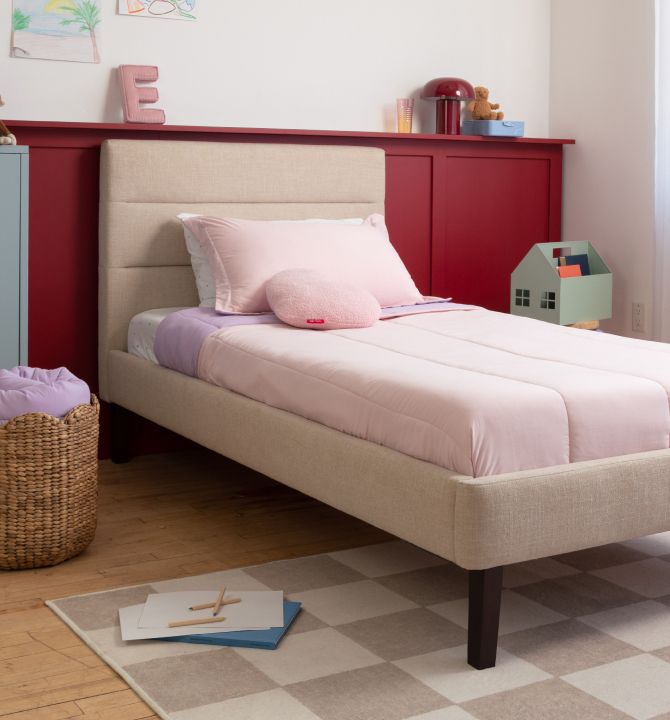
Endy Tufted Upholstered Bed Frame
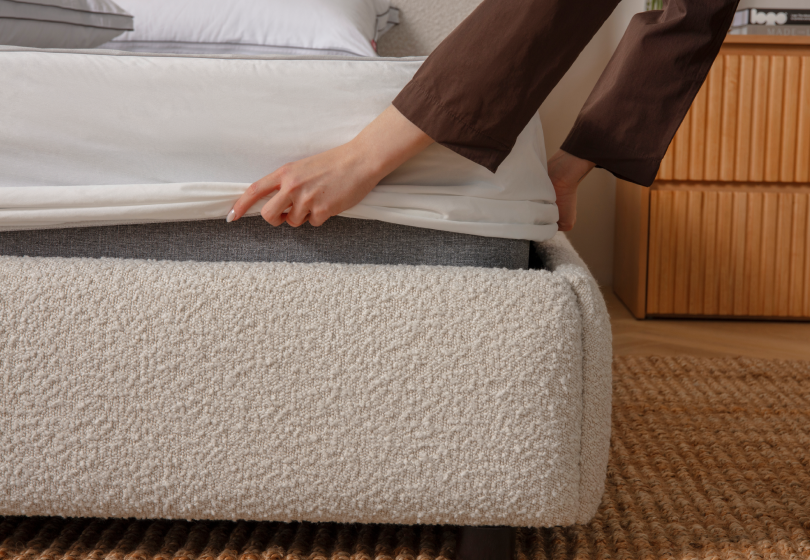
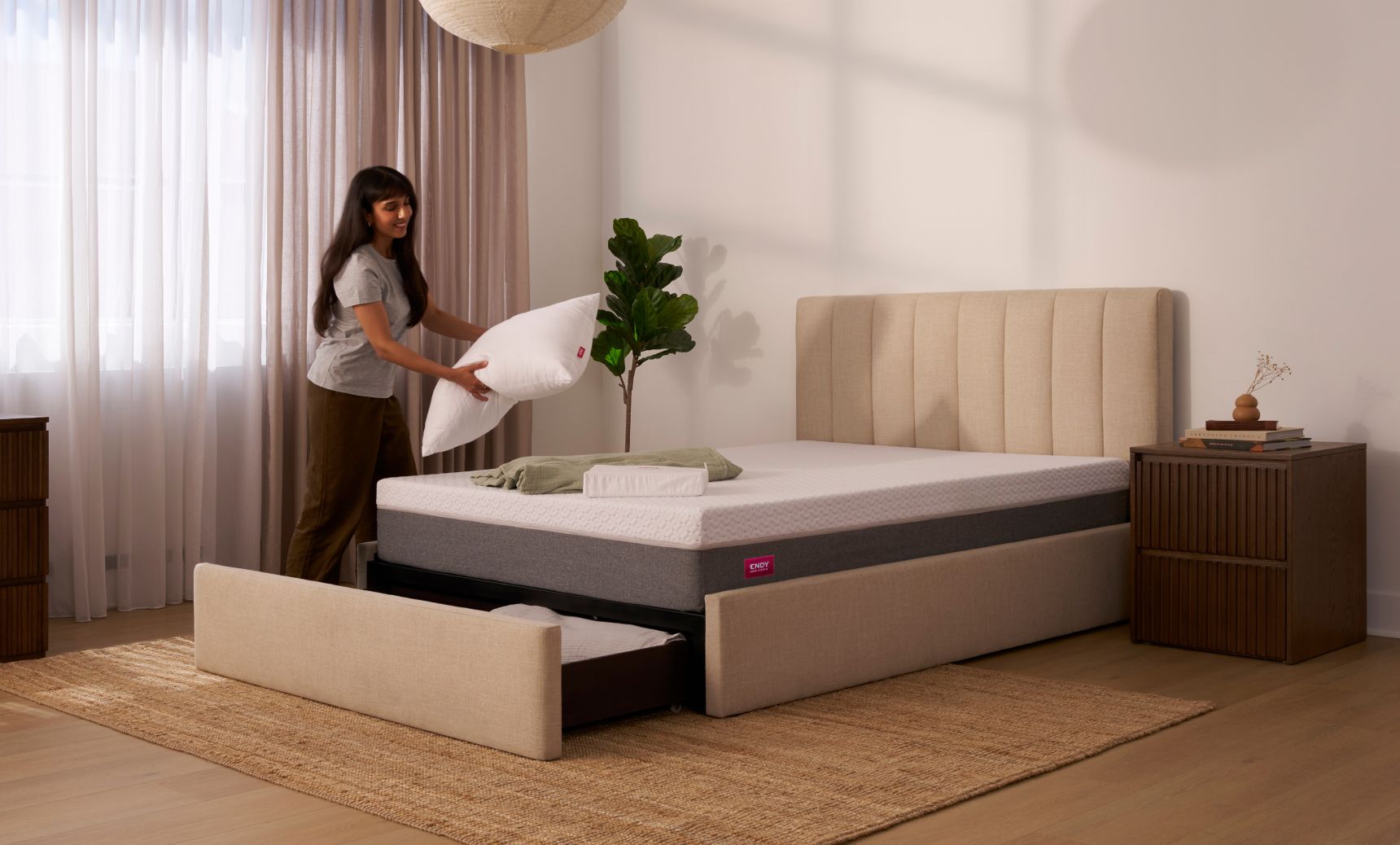
Love a plush headboard? The Tufted Upholstered Bed Frame has a built-in slat system, an engineered hardwood and plywood base, 8.5 in. of under-bed clearance and tool-free assembly in under 10 minutes. The headboard foam is CertiPUR-US® certified and the fabric is OEKO-TEX® STANDARD 100 certified. It includes a 30-night trial and one-year limited warranty.
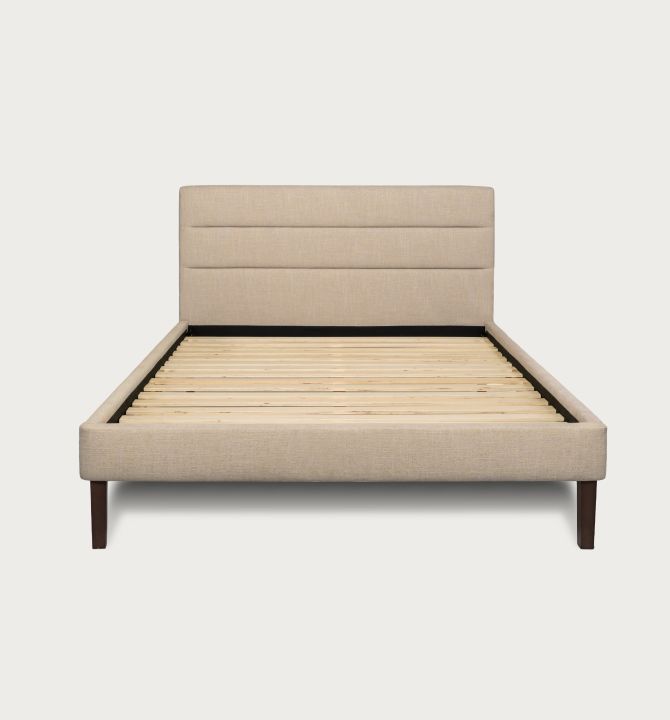
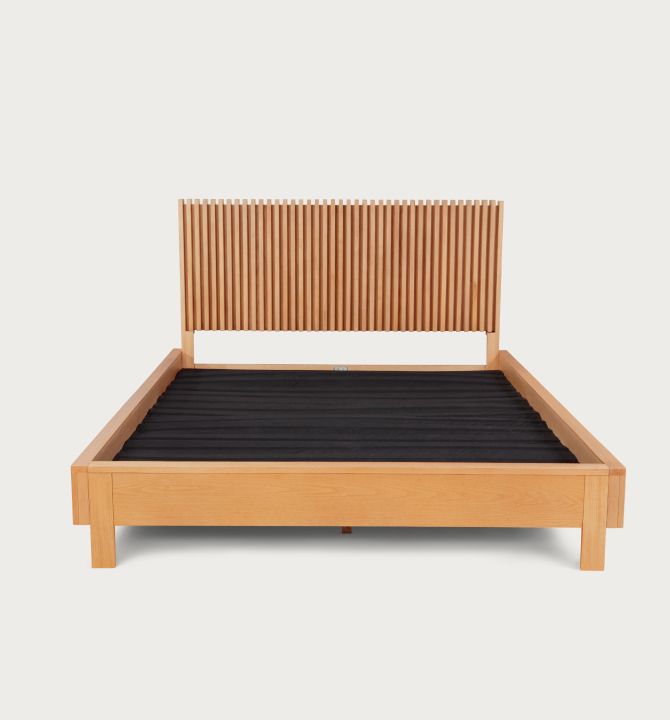
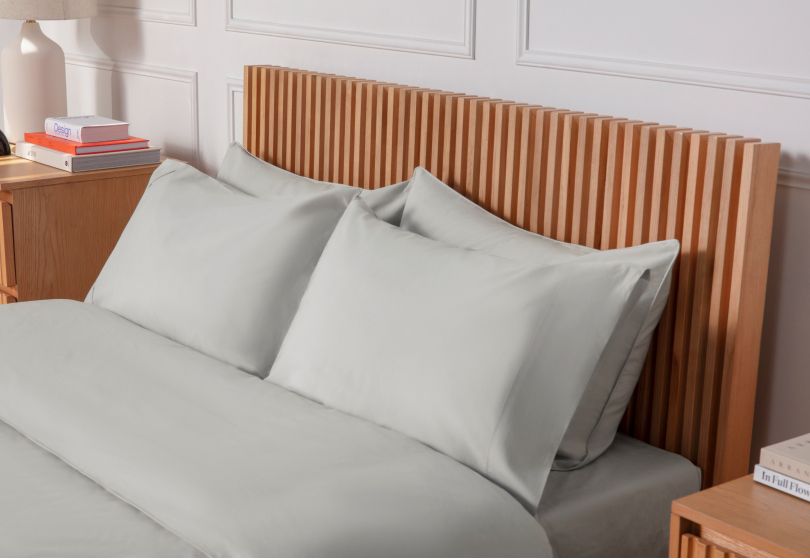
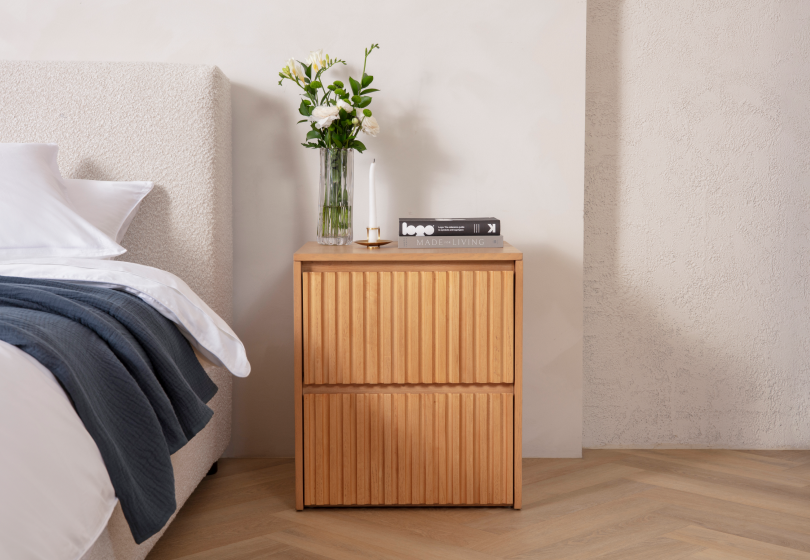
Endy Wooden Bed Frame
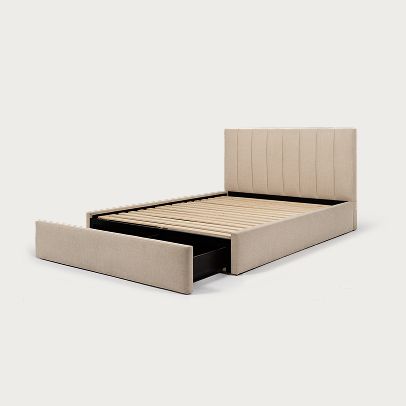
Prefer natural wood? The Wooden Bed Frame has a solid poplar frame and fluted headboard with an oak veneer finish, 5.25 in. of under-bed clearance, plus reinforced slats designed for support and airflow. It includes a 30-night trial and one-year limited warranty.
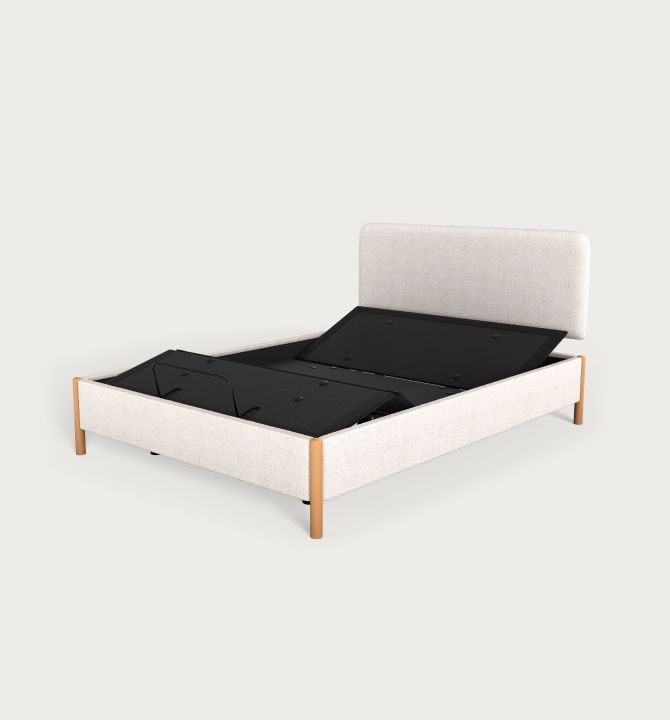
Endy Adjustable Bed Frame
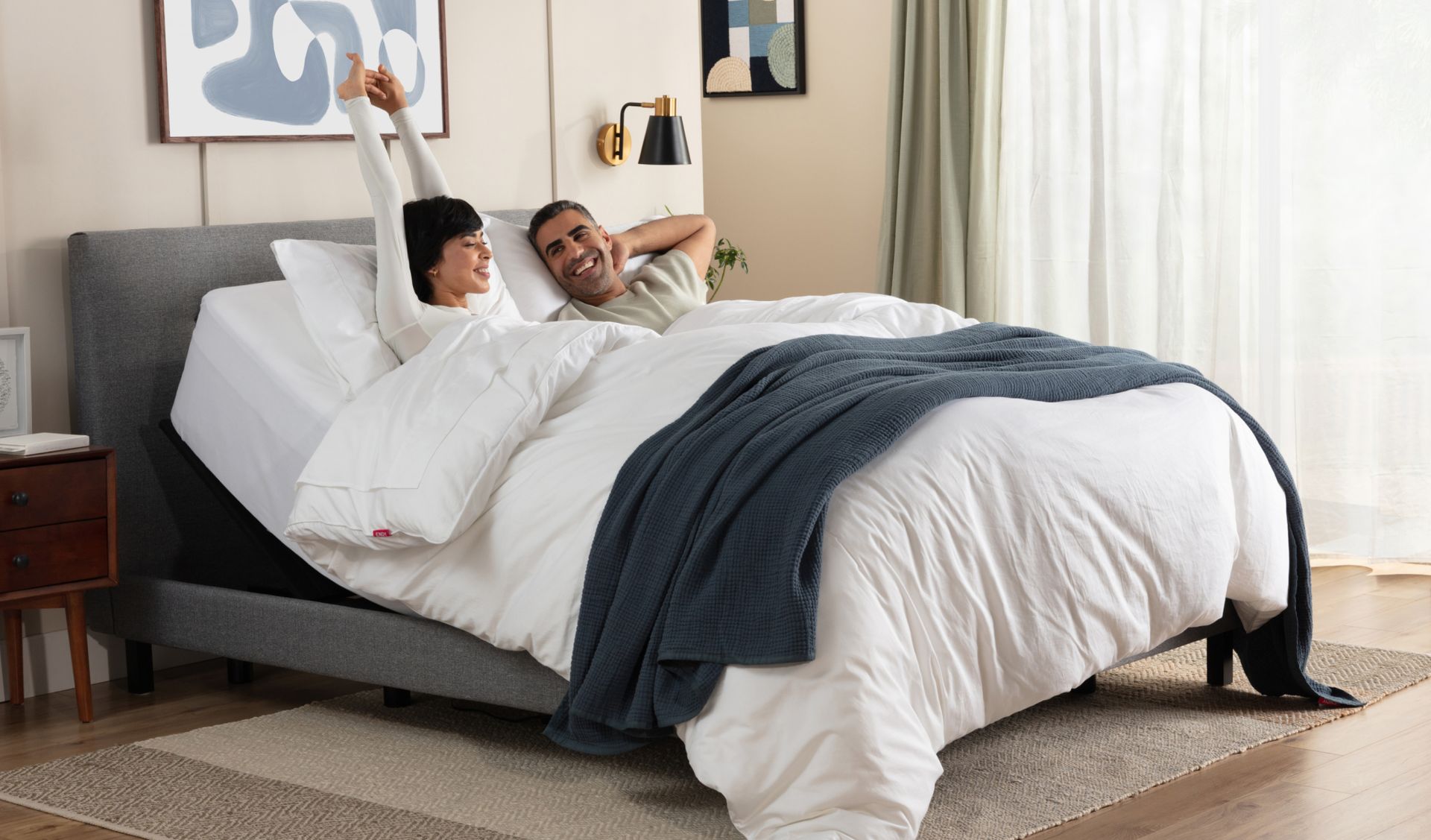
Want customized support? The Adjustable Bed Frame raises the head or foot at the touch of a button for reading, watching or lounging. It has a reinforced steel frame and legs, a one-year limited frame warranty and a five-year limited warranty on the adjustable base.
Frequently Asked Questions
Does a squeaky bed frame need to be replaced?Not always. Tighten the hardware first. If the squeaking returns within weeks, it’s time.Can a bad frame damage my mattress?It can. A bad mattress can also cause similar wear, but sagging or wide slat gaps change how your mattress is supported and can contribute to uneven wear.Should I replace my frame when I buy a new mattress?Only if it doesn’t meet the new mattress’s support requirements. Most mattresses last between 7 to 10 years, and foam and hybrid mattresses can last over 10 years when properly supported, so it typically makes sense to replace the frame at the same time only if the old base could shorten the new mattress’s lifespan.Is it the mattress or the frame that’s sagging?Inspect the frame on its own. If it’s straight and level but the mattress still dips, the mattress is the issue with the sleep surface. If the frame is still in good condition but the mattress is old, dust mites and allergens can worsen over time and may be part of the problem too. Endy’s mattress warranty covers visible indentations deeper than 2.5 cm (1 in.) that aren’t associated with improper use.This article provides general information. If you have persistent or severe back pain after sleeping, consult a healthcare provider.