Which Mattress Is Better for Back Pain: Foam or Hybrid?
By M H Dodick
The preferred mattress for back pain (foam or hybrid) depends on your body weight, sleep position and where you feel discomfort. Generally speaking, foam mattresses relieve pressure best for lighter, side-sleeping bodies, while hybrid mattresses tend to offer back and stomach sleepers, and anyone over roughly 59 kilograms (130 lb.), stronger lumbar support. Medium-firm mattresses of either type, generally rated 6 or 7 out of 10 on the firmness scale, perform best for most sleepers with chronic low back pain. As you’ll learn, the Endy Mattress (all-foam) and the Endy Elevate Hybrid Mattress (zoned coils) present that trade-off in options you can try at home.These findings are backed by published research. A clinical trial on mattress firmness for chronic low back pain says that sleepers using medium-firm mattresses reported less pain and less disability after 90 days than those using firm mattresses. In Therapeutic Mattresses for Chronic Pain, The Canadian Journal of Health Technologies echoed these results: “Medium-firm mattresses may lead to less back pain and better sleep quality in those with chronic low back pain.”
Which Mattress Type Is Better for Your Back Pain
Back pain isn’t one problem. It’s experienced differently depending on where it starts, and foam and hybrid mattresses solve different aspects of it.
Is Your Pain in Your Pressure Points?
If your discomfort centres on your hips and shoulders, a foam mattress may help. Foam contours closely to the body and cradling pressure points. It also spreads body weight more evenly across the sleep surface and reduces motion transfer for light sleepers. That deep contouring is associated with reduced pressure buildup at the hips and shoulders, which is often where side sleepers feel it most.
Is Your Pain in Your Lower Back or Alignment?
The zoned coil support found in hybrids (which responds independently to body weight and adds firmer support under the lumbar area) is often the better match for alignment-related back pain because it can keep your spine from sinking out of alignment.
What About Sleep Position?
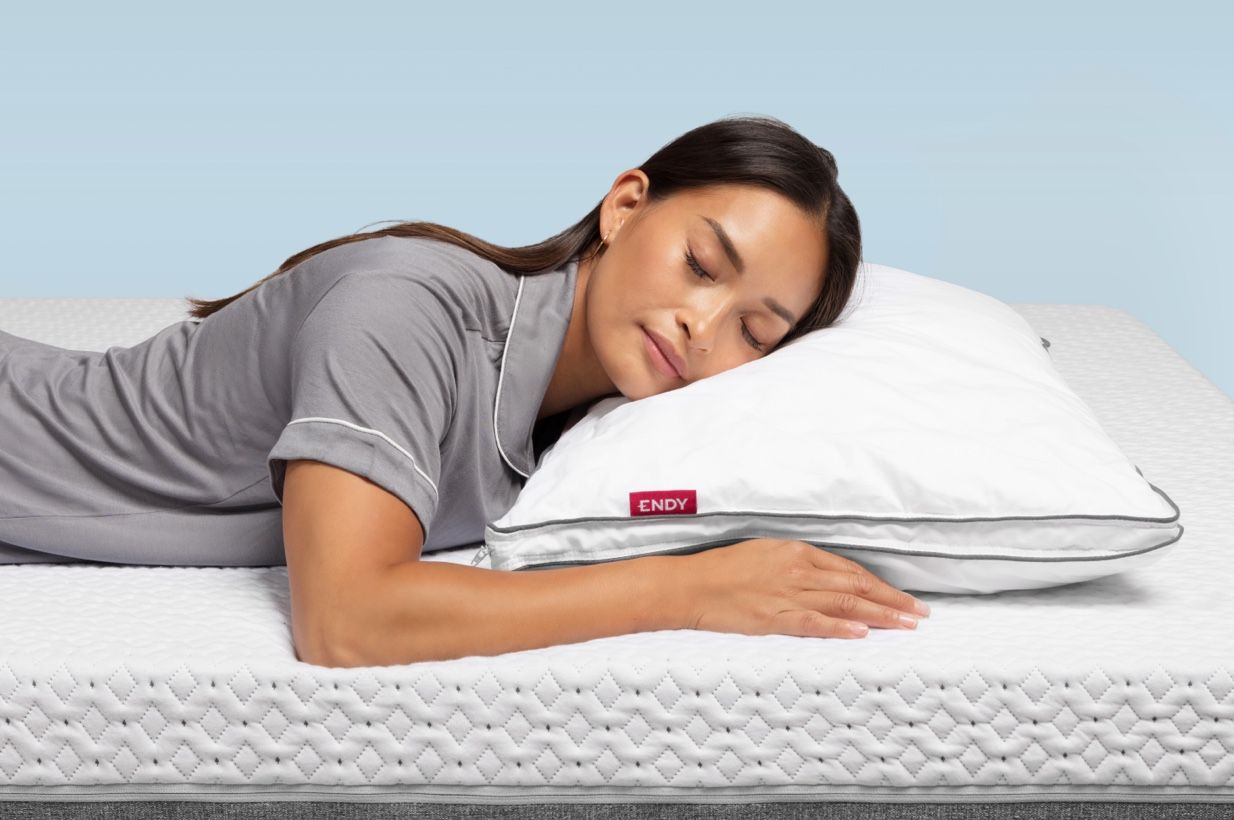
Side sleepers usually fare better on foam, since its contouring cushions the shoulder and hip that carry the most weight. Back and stomach sleepers tend to prefer hybrid mattresses, since the coils push back against sinkage, help keep the midsection from dipping out of alignment, and reduce strain through the midsection.
What About Body Weight?
Body weight affects how much support a mattress should provide and how long you can expect your mattress to last before it wears out.
Under about 59 kg (130 lb.): a foam mattress alone is often supportive enough, since there’s less weight compressing the comfort layer, body weight helps determine the risk of deep sinkage on softer foam beds.
59 to 68 kg (130 to 150 lb.): a hybrid’s pocketed coils typically resist sinkage better than foam alone, which helps maintain spinal alignment for heavier individuals, while all-foam mattresses can sag over time, especially for heavier people.
How Do Foam and Hybrid Mattresses Work?
Most mattresses, foam or hybrid, are built the same way: a comfort layer on top, sometimes a transition layer below that, and a support core at the base. However, what that support core is made of differs.An all-foam mattress uses foam layers all the way down. The comfort layer contours to the body, the transition layer bridges comfort and support, and a high-density support core keeps the whole mattress from bottoming out. Traditional memory foam is known for a slow, sink-in feel that can trap heat, and these mattresses generally last six to nine years.Endy’s foam is different: it has an open-cell structure and cooling gel infusion to help the comfort layer respond and breathe more like a modern foam mattress should, rather than a traditional memory foam mattress.A hybrid mattress keeps a foam comfort layer and transition layer on top, then swaps the foam support core for a base of pocketed coils. Individually wrapped coil systems move independently, creating airflow channels for better breathability while helping the support core hold its shape over time: that’s what gives a hybrid mattress its motion isolation, responsiveness and edge support.You may be wondering: What distinguishes hybrid mattresses from traditional innerspring mattresses? Innerspring coils are usually all connected, and many innerspring models skip a foam comfort layer, so the coils mainly provide support and bounce, offering far less pressure relief than a hybrid mattress.Latex mattresses are another option; they have a bouncier, more responsive feel than foam but generally at a higher price point.
What The Endy Mattress and Endy Elevate Hybrid Offer
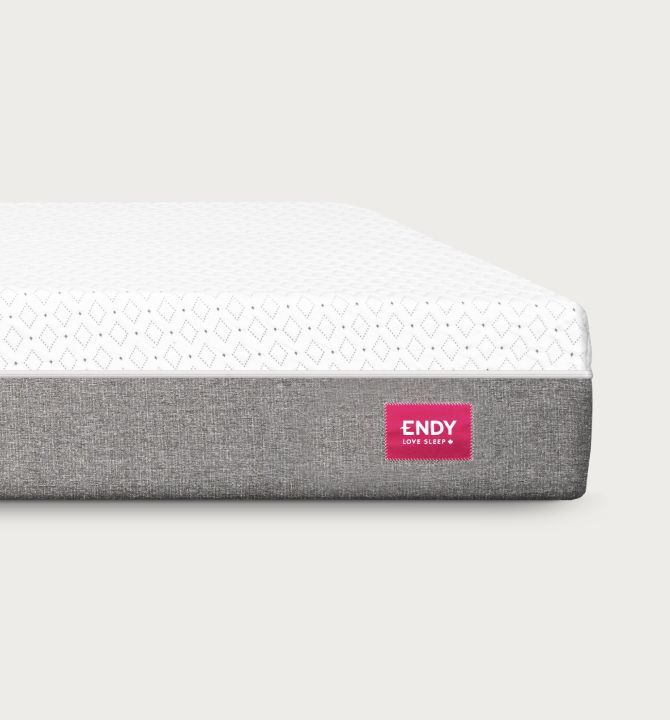
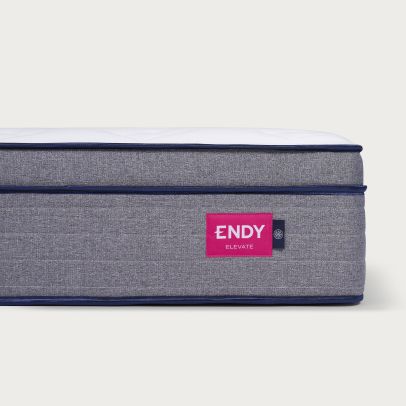
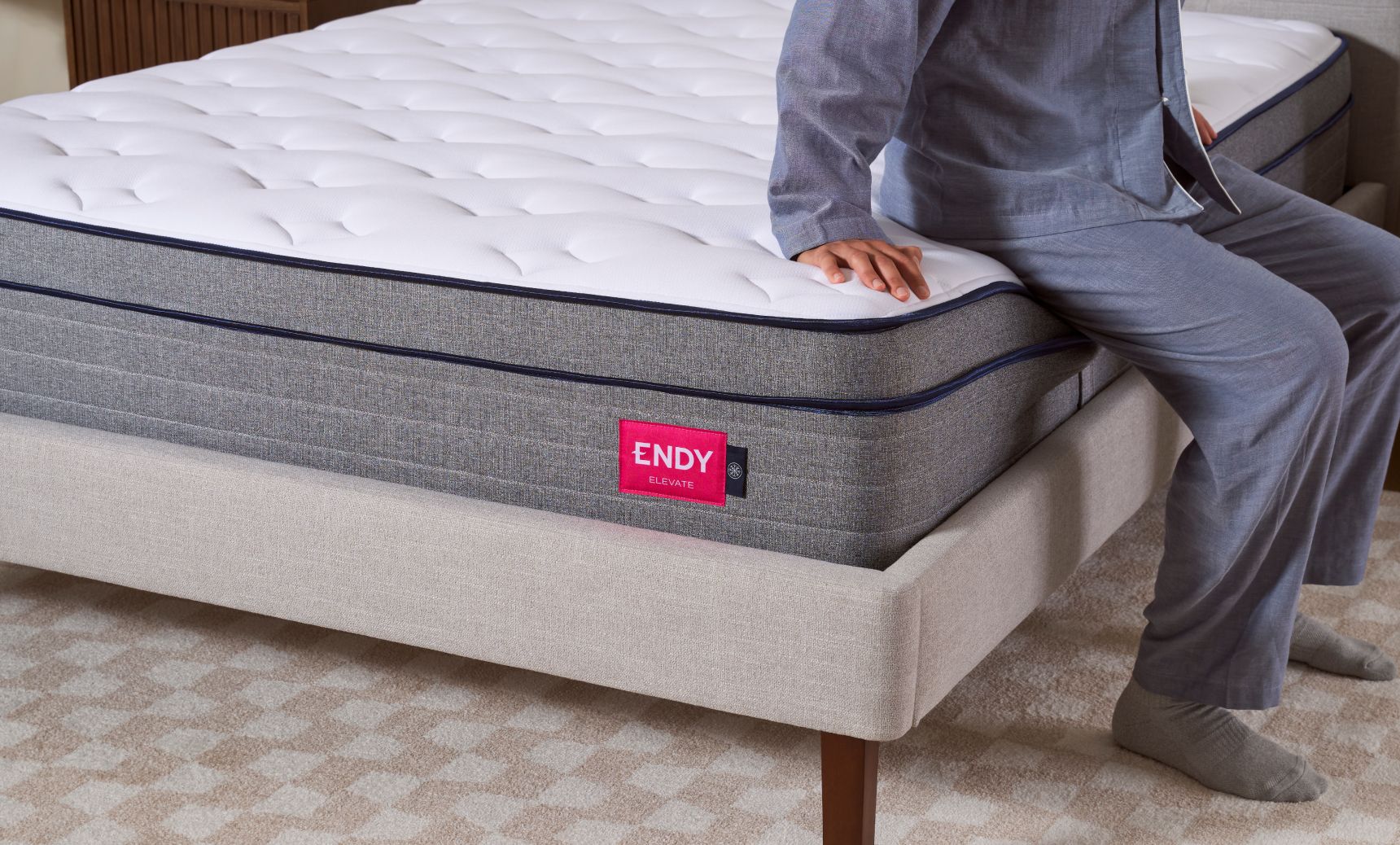
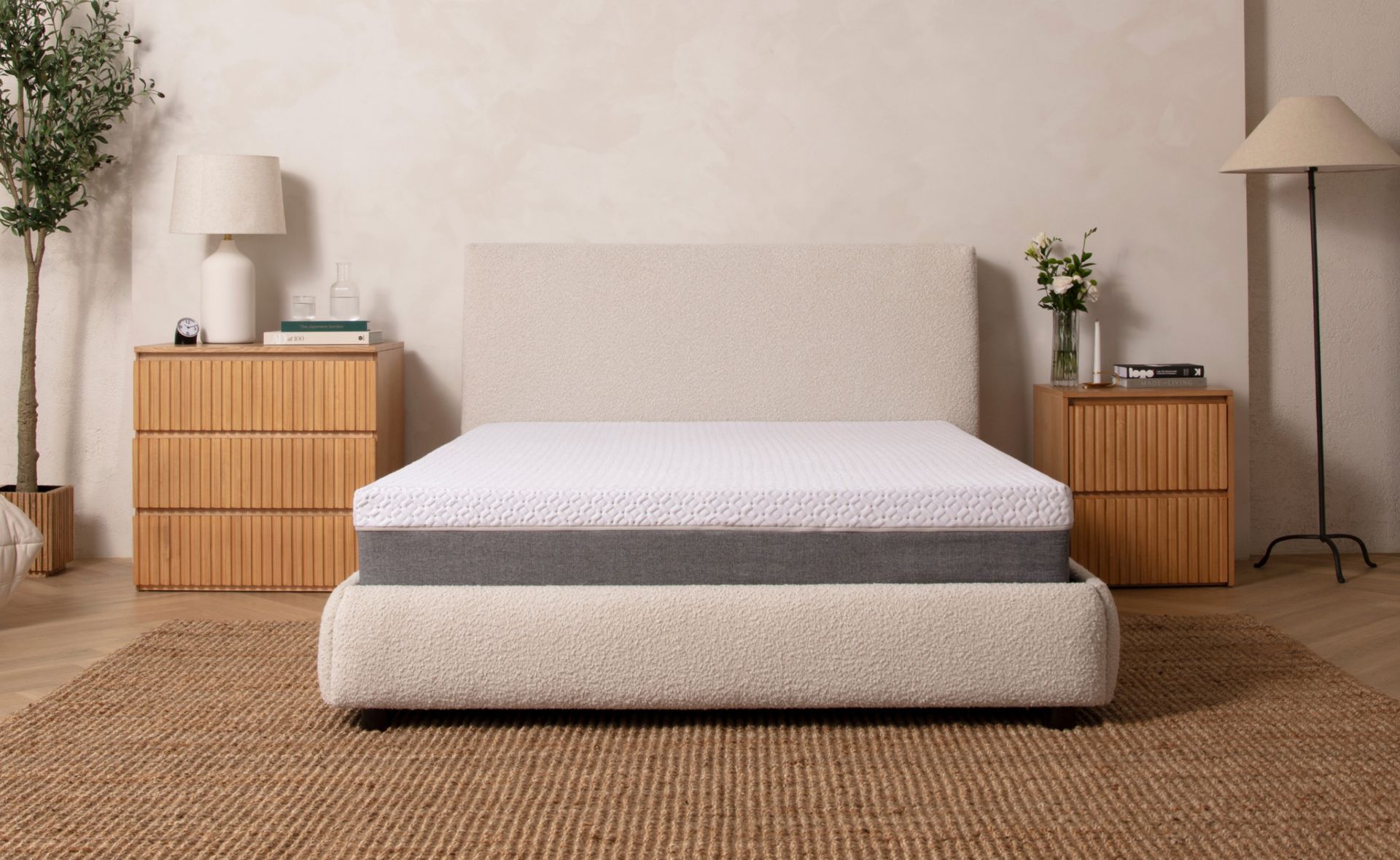
The Endy Mattress is Endy’s original all-foam design, built with open-cell, CertiPUR-US® certified foams over a high-density support core. It’s available in plush, medium-firm and firm options, so you can choose the firmness option that suits you best.The Endy Elevate Hybrid Mattress pairs that same foam comfort system with 7 inches of zoned, high-carbon steel pocketed coils for targeted lumbar support. It also adds an AirDrift™ Cooling Cover with CoolWeave™ Technology as part of its cooling technology, and a Pressure-Relief Foam layer infused with HeatDiffuse™ Gel, so it’s noticeably cooler.Both mattresses are made in Canada, come with a 365-night trial and are backed by a 15-year warranty. Whichever mattress model you choose, allow around two to four weeks before judging how it feels. Your body needs time to adjust to any new mattress, foam or hybrid.
Endy Foam vs. Hybrid Mattress: Compared
This table summarizes key features of the two Endy options and what each one uniquely offers. Below you’ll find more information about how each supports specific sleeping “styles.”
FeatureThe Endy Mattress (foam)The Endy Elevate Hybrid Mattress (hybrid)ConstructionAll foam layers: comfort layer over a solid support coreFoam comfort layers over a pocketed coil support baseFirmness optionsPlush, Medium-Firm, FirmPlush, Medium-Firm, FirmPressure reliefDeep contouring, close body hugGood, though less deep than foamSpinal and lumbar supportEven support, less targetedStronger, with zoned coil support under the hips and lower backMotion isolationExcellent, minimal motion transferVery good with pocketed coilsTemperature regulationImproved with open-cell foam and cooling gelGenerally cooler thanks to coil airflow and two layers of cooling gel foamEdge supportModerateBetter, reinforced by the coil perimeterDurability and lifespan15 years15 yearsTrial and warranty365-night trial, 15-year warranty365-night trial, 15-year warranty
Note: Mattress firmness itself is usually rated on a standard 1-to-10 scale, where medium-firm generally is between 6 and 7.To recap, here is how to choose between foam and hybrid:Foam works best for: side sleepers, lighter-body sleepers, sleepers who tend to run cold at night and motion-sensitive couples.Hybrid works best for: back and stomach sleepers, side sleepers who want more support, sleepers above roughly 59 kg (130 lb.), hot sleepers who want extra airflow and anyone who typically sits or lies near the mattress edge.
Frequently Asked Questions
Is memory foam or hybrid better for lower back pain?It depends on your pain type, body weight, and sleep style. Pressure-point pain at the hips and shoulders tends to respond well to foam’s contouring. Alignment-related lower back pain often responds better to a hybrid’s zoned coil support, especially for back and stomach sleepers or anyone over 130 lb. In practice, selecting between the two comes down to your support needs, which can help you decide which option suits you better.Do hybrid mattresses sleep cooler than foam?Generally, yes. The airflow around pocketed coils helps a hybrid mattress dissipate heat more easily than an all-foam design, so if heat retention is a concern, hybrids usually have an advantage. The Endy Elevate Hybrid sleeps even cooler than the average hybrid, with its AirDrift Cooling Cover and HeatDiffuse Gel in two foam layers.Is the hybrid option worth its extra cost?It depends on the brand, your body weight, sleep position, and how much cooling and edge support matter to you. If you’re a heavier, back or stomach sleeper who sleeps hot, investing in a hybrid mattress is often worth it, especially since many models can offer a longer lifespan. If you’re a lighter side sleeper who prioritizes pressure relief and a quieter surface, foam may be preferred.Can switching from foam to hybrid, or vice versa, treat back pain?A supportive mattress can help you sleep more comfortably, but it isn’t a treatment for back pain. If your pain is chronic or severe, consult a health care provider. Think of your mattress as an aid to recovery, not a cure by itself, especially if you’re waking up and turning or repositioning during the night because the bed isn’t supporting you well.This guide shares information about mattress firmness, construction type and back pain but it isn’t medical advice. Consult a health care provider before choosing a new mattress if you have chronic or severe back pain.