Fall Daylight Saving Time 2026: 7 Tips to Make the Most of Your Extra Hour
By Adelaide Prior
Fall daylight saving time ends at 2 a.m. local time on Sunday, November 1, 2026, when clocks in most of Ontario, Quebec, Atlantic Canada and Nunavut go back one hour. The best tips for fall daylight saving include: shift your bedtime 15–20 minutes later for three or four nights beforehand, go to bed at your usual time on Saturday to bank the extra hour, keep your wake time steady, and block early-morning light so you don’t wake up an hour early.
Who Falls Back in Canada This Year?
Canada’s time zones got a shake-up this year. As of October 27, 2026, here’s who will follow daylight saving time and see clocks fall back on Nov. 1, the first Sunday of November:
Turning clocks back Nov. 1Not changing clocksMost of OntarioB.C., Alberta and ManitobaMost of QuebecMost of SaskatchewanN.B., N.S. and P.E.I.Yukon and the N.W.T.Most of Newfoundland and LabradorNorthwestern Ontario (e.g., Kenora)Most of Nunavut
The Canadian Sleep Society and the American Academy of Sleep Medicine both favour permanent standard time to avoid the health repercussions that come with the time change. Even if you aren’t changing your clocks, with fewer daylight hours and darker mornings, these tips still help. Shorter days can also bring mood changes; the Sleep Foundation’s guide to seasonal affective disorder explains what to watch for.
What Are the Best Tips for Fall Daylight Saving?
Your circadian rhythm, the body’s internal clock that helps control sleep and other biological processes, takes its cues mainly from light. Think of the time change as mild jet lag for your biological clocks.
1. Shift your sleep schedule later, gradually
Harvard sleep expert Dr. Charles Czeisler recommends shifting gradually: go to bed 15–20 minutes later for three or four nights in the days leading up to the time change. Later, not earlier.
Wake up at the same time daily, including weekends. The Sleep Foundation’s guide on how to adjust to daylight saving time calls a fixed sleep schedule key to good sleep hygiene.
4. Get bright light at the right time
Mornings get more daylight after the switch, and the Sleep Foundation says morning light helps most people reset, even on cloudy days.
5. Cut caffeine by 2–3 p.m.
Caffeine can linger 10+ hours in your system, so having it after 2 or 3 p.m. can disrupt your sleep. The Sleep Foundation suggests limiting evening alcohol for better sleep quality, too.
6. Eat dinner a little earlier for a few days
Your body releases melatonin in the evening to prepare for sleep. After the time change, it rises closer to dinnertime until you adjust, so try eating an hour earlier.
7. Keep naps short and early
Feeling sluggish Monday morning? The Sleep Foundation suggests naps under 20 minutes in the early afternoon; later naps make it harder to fall asleep.The American Academy of Sleep Medicine advises at least seven hours of sleep around every time change to help prevent sleep deprivation.
How Do Canadians Spend Their Extra Hour?
In October 2025, Endy commissioned a national study to find out how Canadians feel during fall daylight saving. We found that 43% of young Canadians (age 18-34) report feeling more tired after the clocks turn back; 30% feel less motivated and 27% struggle to maintain healthy habits and routines.
27% of young Canadians struggle to maintain healthy habits and routines after the clocks go back
Survey of 1,559 Canadians conducted October 8, 2025, commissioned by Endy. "Young Canadians" refers to respondents aged 18-3455% of Canadians said that an extra hour of sleep or disconnection from devices boosts their overall mood and energy during the winter months. However, after sleeping, young Canadians most often spend their bonus hour from fall daylight saving watching TV (22%) or scrolling on their phones (10%).At Endy, our goal is making great sleep accessible to all Canadians. When it comes to daylight saving, we have all the right products to create a peaceful sleep environment you can’t wait to get into.
How Should You Set Up Your Bed for the Extra Hour?
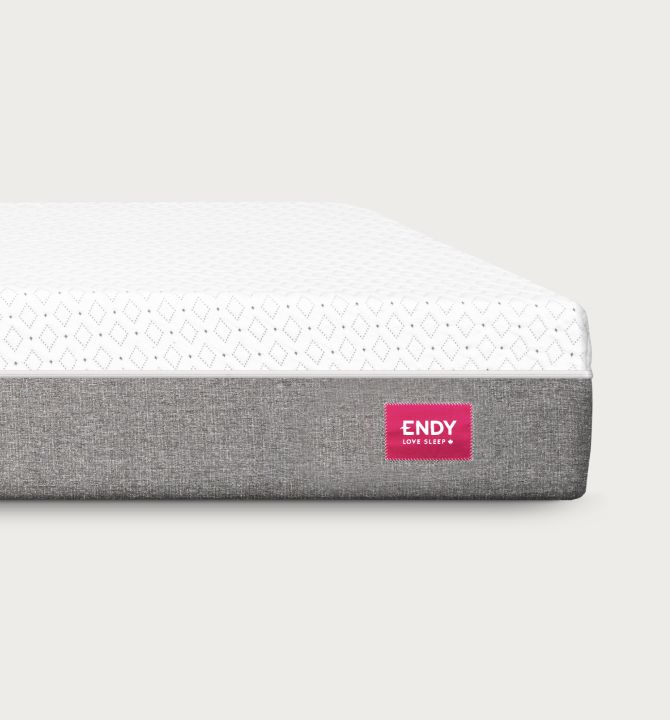
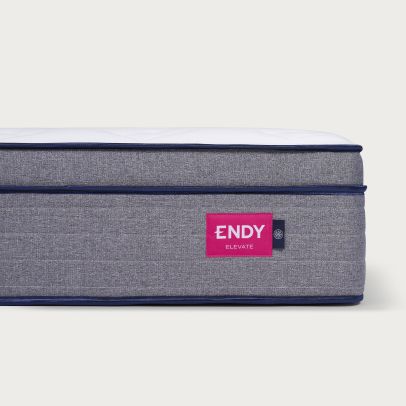
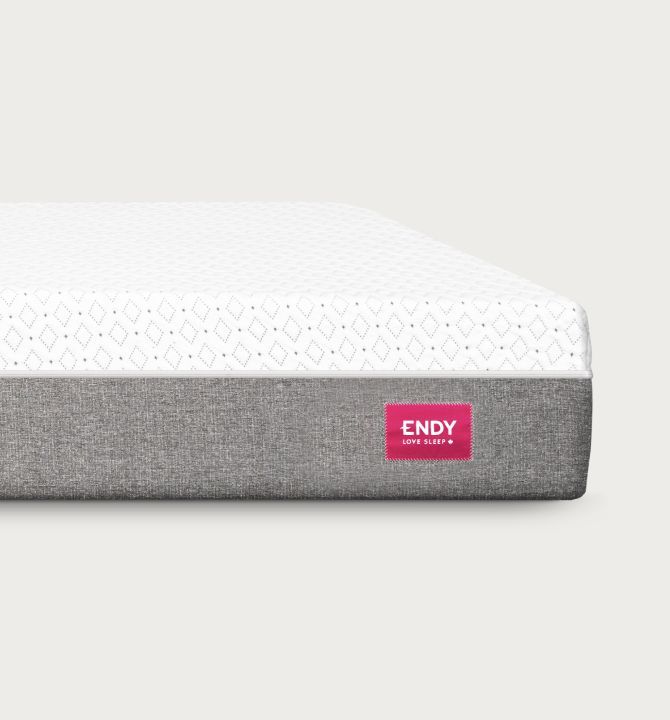
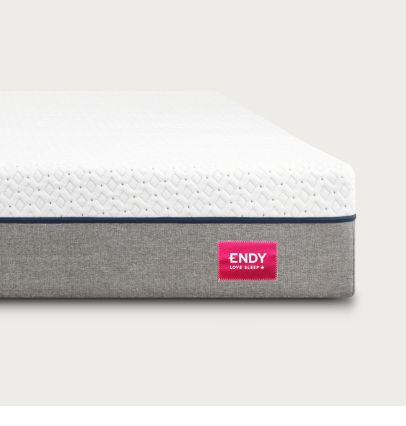
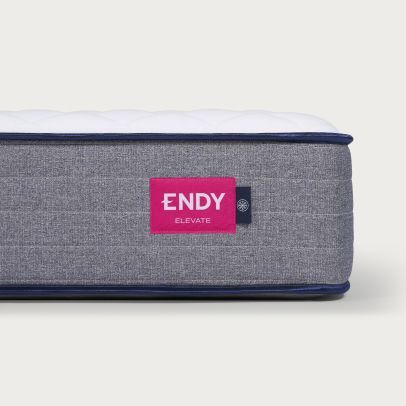
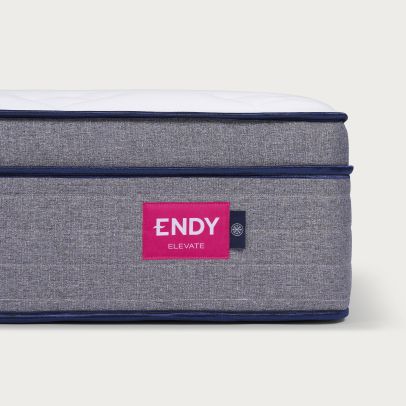
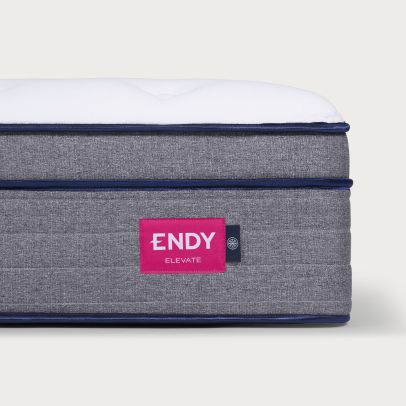
A supportive mattress is a sleep hygiene basic for quality sleep, and we have mattresses to make sure every night is a restful one.The Endy Mattress is best for sleepers who want pressure relief and an all-foam feel. Its breathable open-cell foam is infused with cooling gel, and its Pressure-Relief Foam is designed to eliminate motion transfer (handy if one of you wakes earlier).The Endy Elevate Hybrid Mattress is best for sleepers who want extra support, or who run warm once the heat comes on. Its five layers include zoned pocket coils with an enhanced lumbar zone and a cool-to-the-touch AirDrift™ Cooling Cover.Both mattresses are made in Canada, available in three firmness options, and come with a 365-night trial and a 15-year warranty with Endy VIP registration.
Fall Daylight Saving FAQ
Do you gain or lose an hour’s sleep in the fall?You gain one hour on the clock when daylight saving time ends and standard time returns. Research suggests people sleep about 33 extra minutes that Sunday, so keep your usual bedtime to wake up well rested.How long does it take to adjust to fall daylight savings time?Usually a few days to about a week. The Sleep Foundation notes the time change still affects your circadian rhythm, and some people notice sleep disruption for a week or longer.Is falling back easier than springing forward?Yes. When daylight saving time starts on the second Sunday in March, we set clocks forward an hour and lose sleep. Harvard/Mass General Brigham and the Sleep Foundation both note fewer negative impacts in fall, and experts point to a lower heart attack risk.Does my province observe daylight saving time this year?Most of Ontario, Quebec, Atlantic Canada and Nunavut fall back on November 1, 2026. Western Canada, Yukon, the N.W.T. and northwestern Ontario don’t; see the table above.This article is for general information only and isn’t medical advice. If you have ongoing sleep issues, a possible sleep disorder, persistent low mood, or excessive daytime sleepiness, talk to a healthcare provider.